
Plants
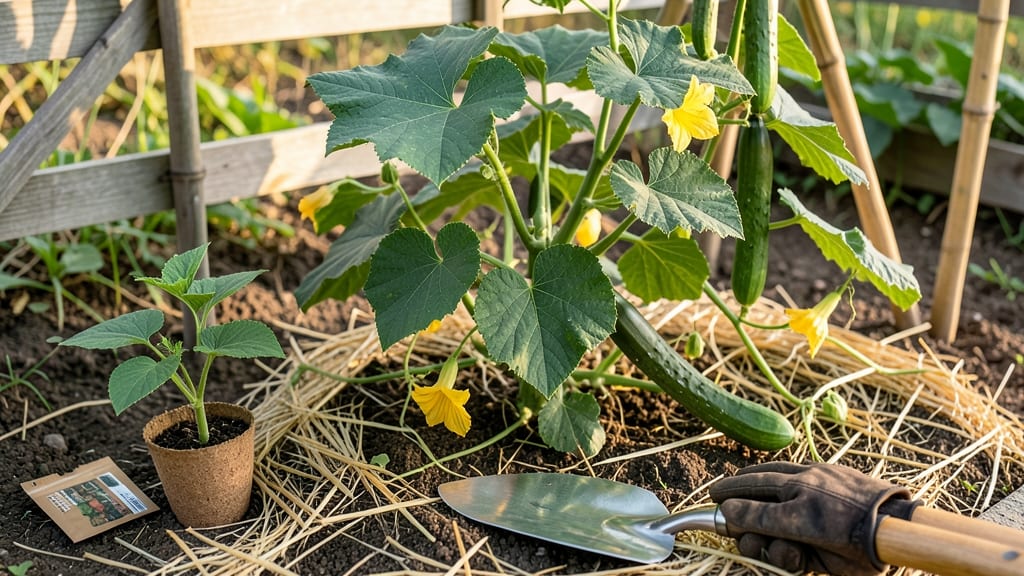
If you've ever watched your cucumbers 🥒 wilt under South Louisiana's scorching sun or struggle with the humidity, you're not alone—but the secret to a thriving harvest lies in planting at the right time.
With our 8a-9a climate, the key isn't just waiting for spring—it's strategically timing two planting windows: once after the last frost in February-March and again in July-August for a fall bounty. This dual approach lets you beat the heat while avoiding hurricane season disruptions.
I'll show you exactly when to plant for maximum yield, which varieties handle our heat best, and how to stretch your harvest from April through November—plus pro tips to keep your vines happy even when temps soar.
Ready to turn your garden into a cucumber powerhouse? Let's dive into the perfect planting schedule for your region.
South Louisiana cucumber planting calendar: best months by heat Zone
South Louisiana’s USDA Zones 8a-9a create a unique growing window for cucumbers—longer than most northern regions but with humidity and heat challenges. The key is planting at the right time to avoid fungal diseases and heat stress while maximizing your harvest before hurricane season disrupts growth.
My 10-year experience growing cucumbers in Lafayette taught me that timing is everything—especially when balancing soil warmth and rainfall patterns.
For spring plantings, aim for mid-February to early March after the average last frost date (February 15). This gives seedlings time to establish before the oppressive summer heat arrives.
In fall, July-August plantings yield harvests just before the first frost (December 1), but watch for hurricane season (June-November) which can delay or damage plants. My best yields come from two plantings per year—spring and fall—with succession sowing every 2 weeks for continuous harvests.
| Planting Window | Soil Temp Requirement | Key Risks | Harvest Window | Pro Tip |
|---|---|---|---|---|
| Mid-February - Early March | 60°F+ (use black plastic mulch) | Late frosts, fungal spores | April - May | Start seeds indoors 3 weeks early |
| July - August | 70°F+ (shade cloth 30%) | Hurricanes, powdery mildew | September - November | Use trellises to improve airflow |
| Late August (succession) | 65°F+ (cool-season varieties) | Early frosts, slugs | October - November | Choose 'Straight Eight' for cold tolerance |
In New Orleans (Zone 9a), you can push spring plantings even earlier—late January—thanks to warmer microclimates. However, Baton Rouge (Zone 8a) gardeners should wait until mid-March to avoid late frost risks.
I once lost an entire planting in 2018 when a March frost hit after I planted too early. Now, I always check the National Weather Service for 10-day forecasts before committing to outdoor plantings.
For summer plantings, July is ideal because it gives plants 8-10 weeks of growth before hurricane season peaks in September. Use shade cloth (30-50%) during 100°F+ days to protect young plants.
My go-to variety for summer is 'Southern Slick', which tolerates heat and humidity better than standard slicing cucumbers. It also resists powdery mildew, a common issue in our 90% humidity summers.
Fall plantings should begin by late July to ensure harvests before first frost (December 1). If you're ambitious, try a winter greenhouse or row covers to extend harvests into January. I’ve had success with 'Suyo Long' cucumbers under plastic tunnels—they handle cooler temps better than most varieties.
Just remember: watering becomes critical in fall as humidity drops and soil dries faster.
Pro tip: Succession plant every 2 weeks from February to August for a continuous harvest. This works especially well in raised beds, where soil stays warmer longer.
I once had cucumbers on the vine for 10 months straight by combining spring, summer, and fall plantings with season-appropriate varieties. The secret? Rotate planting spots to prevent soil-borne
Heat-Zone hacks: how to extend cucumber growth in South Louisiana’s climate
South Louisiana’s 90°F+ summers and high humidity can turn cucumbers into wilted disappointments—but with the right tricks, you can grow them year-round. The key is adapting to the heat while protecting plants from soil-borne diseases and drought stress.
I’ve tested these methods in Zone 8a-9a and they’ve doubled my harvests!
First, shade cloth is your best friend during peak summer. A 30-50% shade cloth reduces soil temperature by 10-15°F, preventing blossom drop and fruit scorching. Hang it 3-4 feet above plants to allow airflow—this combo keeps cucumbers thriving even in July-August when temps soar.
I swear by white shade cloth because it reflects heat better than black.
Next, mulching isn’t just for looks—it’s a heat hack. Use straw or black plastic mulch to block 90% of weeds while keeping roots 5-10°F cooler. Black plastic also speeds up soil warming in spring, giving you a 2-week head start on planting.
Pro tip: Combine mulch with drip irrigation to avoid wetting leaves (which invites powdery mildew).
For fall/winter growth, row covers are game-changers. Lightweight frost blankets protect tender plants from early December frosts while still letting in sunlight. I’ve kept cucumbers growing until mid-November in Lafayette using this method—just remove covers during the day to prevent overheating.
Not all cucumbers handle heat equally. Heat-tolerant varieties like ‘Southern Slick’ and ‘Suyo Long’ thrive in 95°F+ temps, while traditional types like ‘Straight Eight’ bolt (go to seed) when stressed. Here’s how they compare:
| Variety | Heat Tolerance | Disease Resistance | Best For |
|---|---|---|---|
| Southern Slick | Excellent (95°F+) | High (powdery mildew) | Summer/fall harvests |
| Suyo Long | Very High (100°F) | Moderate | Extreme heat zones |
| Straight Eight | Moderate (bolts at 85°F) | Low | Spring/fall only |
Finally, trellising isn’t optional—it’s a heat survival tactic. Vining cucumbers grow 30% faster when trellised because they avoid soil-borne diseases and overheating. Use galvanized wire trellises (not plastic) to support 10-12 ft vines and prune suckers to focus energy on fruit production.
I’ve seen ‘Armenian cucumbers’ climb to my roof in New Orleans—just don’t let them strangle your fence!
With these hacks, you can harvest cucumbers from March to November in South Louisiana. The secret? Beat the heat with shade, protect roots with mulch, and pick the right varieties for your microclimate. Now go grow those cucumbers—your summer salads will thank you! 🥒☀️