
Plants
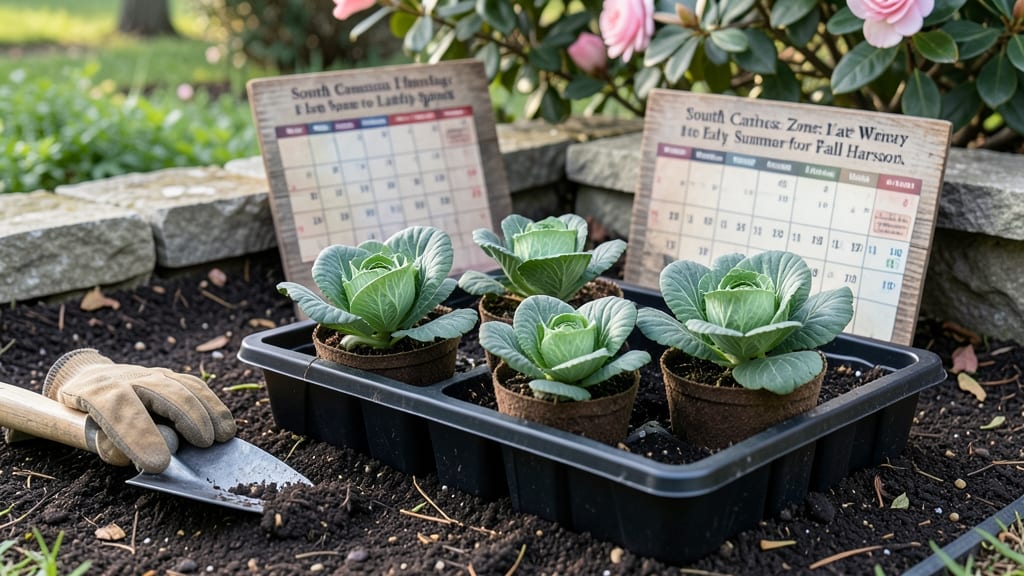
Planting cabbage in South Carolina at the wrong time can turn your garden dreams into a bitter disappointment—especially when coastal Charleston and inland Columbia have completely different frost-free windows.
Whether you're a first-time gardener or a seasoned green thumb, getting the timing right is the key to avoiding bolting or stunted growth.
I’ve spent years growing 🥬 cabbage in zones 7b-8a, and the difference between a thriving harvest and a failed crop often comes down to one simple rule: plant 4-6 weeks before your last frost in spring and 8-10 weeks before the first frost in fall.
But here’s the catch—your last frost date isn’t the same as your neighbor’s, especially if they’re just a few hours away by car.
In this guide, I’ll break down the exact planting windows for both coastal and inland South Carolina, so you can confidently start your seeds or transplants—whether you’re in Charleston’s humid coastal zone or Columbia’s warmer inland climate. No more guessing games, just clear, actionable advice tailored to your microclimate.
Ready to grow heads of cabbage that are firm, flavorful, and ready to harvest? Let’s dive into the frost-free deadlines that’ll set you up for success—no matter where you garden in the Palmetto State.
South Carolina cabbage planting calendar: coastal vs inland frost-free deadlines
South Carolina’s diverse microclimates create a challenge for cabbage growers. Coastal areas like Charleston (USDA Zone 8a) enjoy milder winters, while inland cities like Columbia (Zone 7b-8a) face earlier frosts. These differences mean your planting window could shift by 3-4 weeks depending on where you live.
For spring cabbage, coastal gardeners can start seeds as early as late February, while inland growers should wait until early March. The last frost typically hits mid-March in Charleston but can arrive 2 weeks earlier in Columbia.
This timing ensures your transplants mature before summer heat triggers bolting.
Fall planting follows a similar pattern. Coastal gardeners have until early September to sow seeds, while inland gardeners must finish by mid-August. The first frost arrives in mid-November in Charleston but can come as early as late October in Columbia. Planting too late risks frost damage before heads form.
My recommended approach is to use transplants instead of direct sowing for both seasons. This gives you more flexibility to adjust planting dates based on your local frost history.
For example, if you’re in Charleston and want a fall crop, buy transplants in early August and plant them immediately to maximize head formation before frost.
For inland gardeners, consider starting seeds indoors 4-6 weeks before your target transplant date. This extra time buffer helps compensate for shorter growing seasons. Use grow lights if your indoor space lacks sufficient sunlight, as cabbage needs 12-14 hours of light daily for strong seedlings.
Another key factor is soil temperature. Cabbage seeds won’t germinate well in cold soil. Aim for soil temps above 40°F (4°C) for spring planting and 50°F (10°C) for fall. Use a soil thermometer to check conditions, especially in early spring when nights are still chilly.
If you’re unsure about your local frost dates, check the South Carolina Climate Office or use Almanac’s Frost/Freeze Calculator. These tools provide historical data for your specific zip code, helping you fine-tune your planting schedule.
For example, Myrtle Beach (Zone 8b) can plant 2 weeks earlier than Charleston due to its warmer coastal climate.
Pro tip: Mark your planting dates on a garden calendar with colored tabs for each season. Include reminders for fertilizing, watering, and pest monitoring to keep your cabbage on track. Consistency is key—cabbage thrives with routine care but bolts quickly if stressed by heat or drought.
Remember, succession planting can extend your harvest. In coastal areas, you might squeeze in two spring plantings—one in February and another in Marchone spring and one fall crop to align with their shorter growing season.
Finally, keep an eye on weather forecasts in the weeks leading up to your planting date. A late frost or unseasonable cold snap can push back your schedule. If this happens, opt for heat-tolerant varieties like ‘Cavalo’ or ‘Golden Acre’, which handle warmer temps better than traditional types.
How to extend your cabbage growing season in South Carolina’s climate
South Carolina’s humid subtropical climate presents unique challenges for growing cabbage. Heat stress and early frosts can ruin your crop if you don’t plan ahead. The key is using season-extending techniques tailored to your microclimate—whether you're in coastal Charleston or inland Columbia.
These strategies help you beat the 30-day window between summer heat and fall frost that often limits cabbage success.
Start with row covers and shade cloth to protect young plants from late-spring heat and early-fall frosts. Lightweight floating row covers allow sunlight and water to pass through while shielding plants from 32°F temperatures.
For summer planting, use 30-50% shade cloth to prevent bolting—a common issue when cabbage senses heat stress.
🌱
- Use Row Covers
- Try Shade Cloth
- Succession Planting
- Cold Frames
- Mulch Heavily
For coastal gardeners, focus on fall planting after Labor Day to avoid hurricane-season humidity, which increases disease pressure. Inland areas can push late-summer plantings until early August while using drip irrigation to prevent leaf curl from inconsistent watering.
Monitor your local frost dates—coastal Charleston averages November 15, while inland Columbia can see frost as early as October 30. Use planting calculators like Clemson Extension’s to adjust your schedule based on your USDA Zone 7b-8a location.
🌿