
Plants
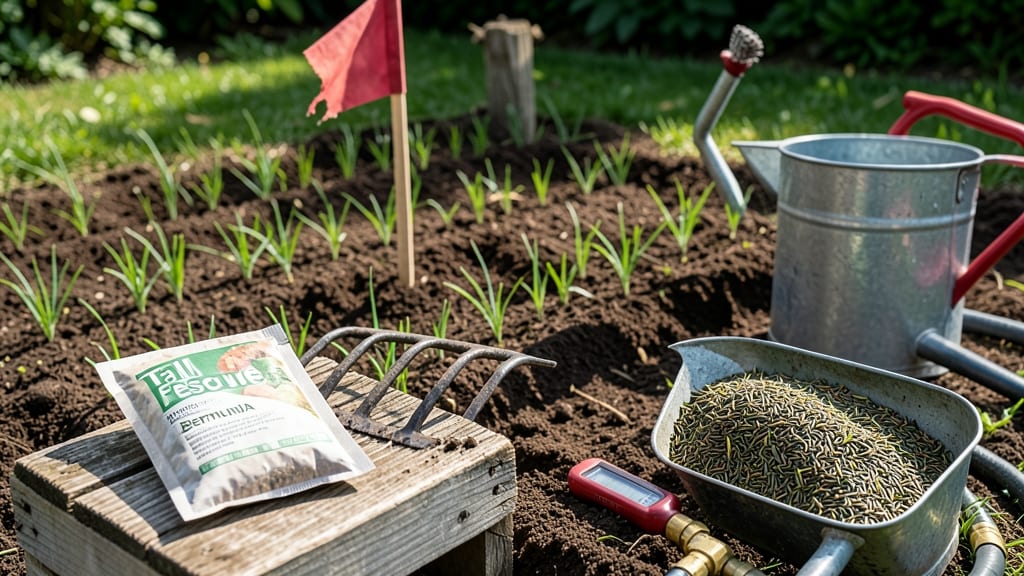
Timing your grass seed planting in South Carolina could mean the difference between a lush, green lawn and a patchy, weed-filled disappointment. The best time isn’t just about the calendar—it’s about soil temperature, rainfall, and even your region’s microclimate.
Get it right, and you’ll outsmart weeds while giving your lawn the strong start it needs.
Most gardeners in USDA zones 7b-8a swear by late summer to early fall (August-October) as the prime window, but spring (March-April) also works if you act fast. The key?
Soil temps between 60°F–75°F—too hot or cold, and your seeds will struggle to germinate. Let’s break down the science behind these windows and how to adapt for Coastal, Piedmont, or Upstate conditions.
You might think all grass seed behaves the same, but South Carolina’s subtropical climate throws curveballs—like sudden heat spikes or humidity swings—that can derail even the best-laid plans.
I’ll show you how to read your yard’s signals (like soil moisture and weed pressure) to fine-tune your planting schedule for maximum success.
Ready to skip the guesswork? By the end of this guide, you’ll know exactly when to plant, how to prep your soil, and the critical mistakes to avoid—so your lawn grows thick, fast, and stays that way all season. Let’s get started.
Optimal South Carolina grass seed planting window by season: soil temperature & rainfall guide
South Carolina’s humid subtropical climate creates two prime windows for planting grass seed: late summer/early fall and early spring. These periods offer the perfect balance of soil warmth, moderate rainfall, and reduced weed competition for strong germination.
Let’s break down the ideal timing for each season and how to align your planting with South Carolina’s unique microclimates.
The USDA Zones 7b-8a in South Carolina mean you’ll experience hot summers and mild winters, but soil temperature is the real game-changer for grass seed success. Aim for planting when soil temps hover between 50°F–75°F—this sweet spot ensures seeds germinate quickly without drying out or rotting.
Coastal areas may need adjustments due to higher humidity, while Upstate regions face cooler nights.
Here’s the data-backed planting window for maximum germination success, tailored to South Carolina’s climate patterns:
| Season | Ideal Planting Months | Soil Temperature Range | Rainfall Needs | Key Considerations |
|---|---|---|---|---|
| Early Spring | March–April | 50°F–65°F | 1–1.5 inches/week | Weed pressure low; avoid planting before last frost (March 15). |
| Late Summer/Early Fall | August–October | 60°F–75°F | 0.75–1 inch/week | Best window for deep root growth; stop by November 15 (first frost risk). |
| Spring (Secondary) | February (risky) | Below 50°F | 0.5–1 inch/week | High frost risk; only attempt with cold-hardy varieties like tall fescue. |
| Fall (Secondary) | November–December | Below 60°F | 0.5–1 inch/week | Slow germination; prioritize warm-season grasses like Bermuda. |
Fall planting (August–October) is my top recommendation for South Carolina lawns. The cooler temps reduce water stress, and longer daylight hours fuel rapid root development. Grass planted in fall also enters winter with a stronger root system, giving it a head start in spring. For example, tall fescue and ryegrass thrive when seeded in September, while Bermuda grass prefers late summer heat.
If you miss the fall window, early spring (March–April) is your next best bet. The key is to plant 4–6 weeks before the last frost (typically March 15 in SC). This timing ensures seeds germinate before weeds take over.
However, spring planting requires daily watering to compensate for higher evaporation rates, especially in Upstate regions where winds can dry out soil quickly.
South Carolina’s Coastal Plain (e.g., Charleston) experiences higher humidity and warmer soils earlier in spring, while the Piedmont (e.g., Columbia) and Upstate (e.g., Greenville) see cooler nights.
Use a soil thermometer to confirm temps—plant when readings hit 60°F+ for consistent germination. Pro tip: Morning planting (before 10 AM) minimizes heat stress on seeds.
Rainfall patterns also shift by region. Coastal areas often receive steady rainfall in late summer/fall, reducing irrigation needs, while Upstate zones may need supplemental watering during drought-prone September–October.
Check your local NOAA climate data for 30-day forecasts—aim to plant when 1–1.5 inches of rain is predicted weekly to avoid overwatering.
For warm-season grasses (e.g., Bermuda, Zoysia), the August–September window is critical—they need 60°F+ soil to germinate. Cool-season grasses like ryegrass prefer 50°F–65°F soils, making March–April ideal. Always match your grass type to South Carolina’s climate zone to avoid poor establishment.
Remember: Seed depth matters. Plant grass seed at ¼ inch deep—any deeper, and it won’t get enough oxygen to sprout. Lightly rake the soil after seeding to ensure good seed-to-soil contact, then keep the area consistently moist (not soggy) for the first 2–3 weeks
A light mulch (like straw) helps retain moisture and regulate soil temperature. 🌱
How to adjust planting timing for South Carolina’s microclimates: Coastal vs. Piedmont vs. Upstate
South Carolina’s three distinct regions—Coastal, Piedmont, and Upstate—each have unique climate challenges that demand tailored planting strategies. The humidity near the coast, hotter summers in the Piedmont, and cooler Upstate nights all affect when you should plant grass seed for the best results.
Let’s break down the ideal timing for each region to maximize germination and establish a thick, resilient lawn.
In Coastal South Carolina, the high humidity and warmer winters create a longer growing season, but the salty air near the coast can stress young grass. Planting in late August through September gives seedlings enough time to establish roots before winter rains arrive.
The Upstate region, however, has cooler temperatures and shorter summers, so the window shifts slightly to April through early May to avoid late spring frosts.
The Piedmont region, which includes Columbia and Greenville, offers a balance between heat and humidity. Here, early September to mid-October is ideal because the soil stays warm enough for germination while avoiding the brutal summer heat that can dry out seeds.
If you’re in the Upstate, like Spartanburg or Greer, focus on late March to early April to take advantage of warmer soil temperatures before summer arrives.
| Region | Best Planting Window | Key Climate Challenge | Soil Temp Threshold |
|---|---|---|---|
| Coastal | Late August - September | High humidity, salty air | 65°F - 75°F |
| Piedmont | Early September - Mid-October | Hot summers, drought risk | 60°F - 70°F |
| Upstate | Late March - Early April | Cooler nights, shorter growing season | 50°F - 65°F |
To extend your planting window in drought-prone areas like the Piedmont, use mulching and drip irrigation to keep soil moist. A 2-3 inch layer of straw mulch retains moisture and regulates soil temperature, while drip lines deliver water directly to roots without wasting it on evaporation.
For the Coastal region, consider drought-tolerant grass varieties like Bahia grass or St. Augustine, which handle humidity and occasional salt spray better than others.
If you miss the ideal window, don’t panic! In the Upstate, you can plant as late as early June if you’re prepared to water deeply and use shade cloth to protect seedlings from intense afternoon sun.
Just remember: soil temperature is your best guide—use a soil thermometer to confirm it’s between 50°F and 75°F before planting. This small investment ensures your grass seed germinates quickly and establishes a thick, weed-resistant lawn.
Adjusting your planting timing based on your region’s microclimate isn’t just about avoiding failure—it’s about optimizing growth. By following these region-specific guidelines, you’ll give your lawn the best possible start, whether you’re battling Coastal humidity, Piedmont heat, or Upstate coolness.
With the right timing and care, your grass will thrive year after year.