Plants
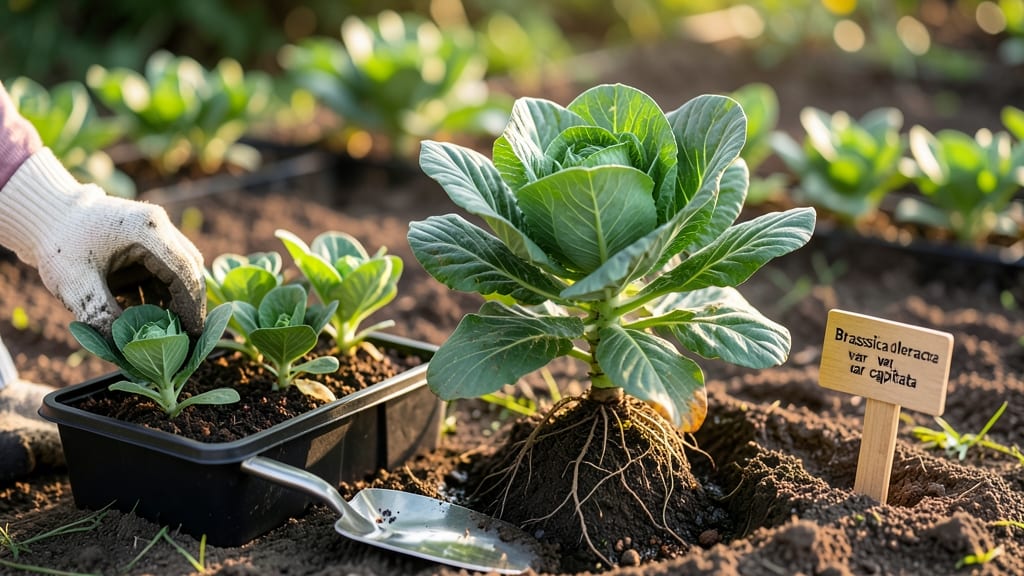
Timing your 🥬 cabbage planting in North Carolina isn’t just about the calendar—it’s about outsmarting the state’s unpredictable climate shifts. Plant too early in the mountains, and a late frost could wipe out your seedlings.
Get it wrong near the coast, and summer heat might send your cabbage bolting before harvest. The difference between a bumper crop and a wasted effort often comes down to knowing when to put those seeds in the ground for your specific zone.
If you’re in the 7a-8b zones that cover most of North Carolina, the sweet spot for spring planting falls between March and April, just as the soil warms but before the brutal summer heat sets in.
But here’s the catch: gardeners in the Piedmont region can start a few weeks earlier than those in the Coastal Plain, where warmer winters mean slightly delayed planting. The key is understanding your local frost dates—because while Asheville might be ready by early March, Wilmington could still be too chilly.
Don’t stop at spring, though. Fall planting—from August to September—gives you a second harvest window, and with the right varieties, you can even extend your growing season into late autumn. The trick is choosing heat-tolerant or bolt-resistant cabbages that won’t rush to seed when temperatures climb.
Whether you’re a first-time gardener or a seasoned pro, getting this timing right means the difference between a homegrown feast and a disappointing patch of withered leaves.
In this guide, I’ll break down the exact planting windows for every major North Carolina region, plus pro tips for adjusting to microclimates, soil prep, and avoiding common mistakes. Let’s get your 🥬 cabbage off to the best possible start—because in North Carolina, timing really is everything.
North Carolina cabbage planting dates by USDA hardiness Zone
North Carolina spans USDA Zones 5b through 8a, creating dramatic differences in frost dates and growing seasons. In the mountains (Zone 5b-6a), like Asheville, cabbage thrives with early spring planting, while coastal areas (Zone 8a), such as Wilmington, allow for extended fall harvests.
Understanding your zone helps avoid frost damage or wasted effort on unsuitable planting windows.
Cabbage grows best when planted 4-6 weeks before the last frost in spring and 8-10 weeks before the first frost in fall. For North Carolina, this typically means March-April for spring and August-September for fall. However, your exact timing depends on your local microclimate and elevation.
Key frost dates by region: - Mountains (Zone 5b-6a): Last frost April 15-May 1, first frost October 15-November 1 - Piedmont (Zone 7a-7b): Last frost March 20-April 10, first frost November 1-15 - Coastal (Zone 8a): Last frost February 20-March 15, first frost December 1-15
| USDA Zone | Region Example | Spring Planting Window | Fall Planting Window | Harvest Time |
|---|---|---|---|---|
| 5b-6a | Asheville, Boone | April 1 - May 1 | August 15 - September 15 | June - July (spring) / Oct - Nov (fall) |
| 7a-7b | Raleigh, Greensboro | March 15 - April 10 | August 1 - September 10 | May - June (spring) / Sept - Oct (fall) |
| 8a | Wilmington, Fayetteville | February 20 - March 15 | July 15 - August 30 | April - May (spring) / Sept - Nov (fall) |
For Zone 5b-6a, early varieties like 'Early Jersey Wakefield' are ideal, as they mature in 55-60 days. In Zone 8a, heat-tolerant varieties such as 'Cavalo' or 'Golden Acre' prevent bolting during summer heat. Always check your local frost dates using the NC State Climate Office for precision.
In Zone 7a-7b, where Raleigh and Greensboro lie, you can even attempt winter planting with cold-hardy varieties like 'January King'. Use row covers or low tunnels to protect young plants from unexpected late-season frosts. This extends your harvest window into late November or December.
If you're in a transition zone (e.g., near the Blue Ridge Escarpment), consider succession planting. Start with slow-maturing varieties in early spring, followed by mid-season types 2-3 weeks later. This ensures a continuous harvest from June through November.
For coastal gardeners, the longer growing season allows for two full crops per year. Plant spring cabbage in February and fall cabbage in July to maximize yields.
Just be mindful of humidity and fungal diseases—space plants 18-24 inches apart for airflow and use drip irrigation to keep foliage dry.
Pro tip: Use a planting calendar like the one from NC State Extension to track your frost-free days. Cabbage needs 70-100 days to mature, so count backward from your first expected frost to determine the latest fall planting date.
For example, in Zone 7b, with a November 10 first frost, your last fall planting should be by August 15.
Don’t forget to harden off seedlings before transplanting. Move them outdoors for 1-2 hours daily starting 10-14 days before planting to reduce transplant shock. This is especially critical in Zone 5b, where temperature swings can stress young plants.
🥬
How to adjust cabbage planting for North Carolina’s microclimates
North Carolina’s three distinct growing regions—mountains, piedmont, and coastal plain—each demand unique cabbage planting strategies. The cool mountain air of Asheville (Zone 7b) can handle early spring plantings, while humid coastal Wilmington (Zone 8a) thrives with late summer starts. Understanding these microclimates ensures your cabbage matures before frost strikes.
In the mountain regions, like the Blue Ridge, plant transplants in early April to avoid late frosts. The piedmont, including Raleigh, allows March sowings or August transplants for fall harvests.
Meanwhile, the coastal plain’s milder winters let you stretch spring plantings into mid-April and fall plantings until mid-September.
Soil preparation varies too: Mountain gardens benefit from compost-rich loam to retain moisture, while coastal sandy soils need extra organic matter to prevent drying. Test your soil’s pH (6.0–6.8)—cabbage hates acidity! Amend with lime or sulfur as needed before planting.
Succession planting is key in NC’s short growing seasons. In Zone 8 (coastal), stagger plantings every 3 weeks from August to October for continuous fall harvests. In Zone 7 (mountains), focus on spring plantings with a final batch by mid-July to mature before frost.
Protect young seedlings with row covers if nighttime temps dip below 32°F, especially in elevated mountain areas. Coastal gardeners can skip this step but must watch for hurricane winds that can uproot plants.