
Plants
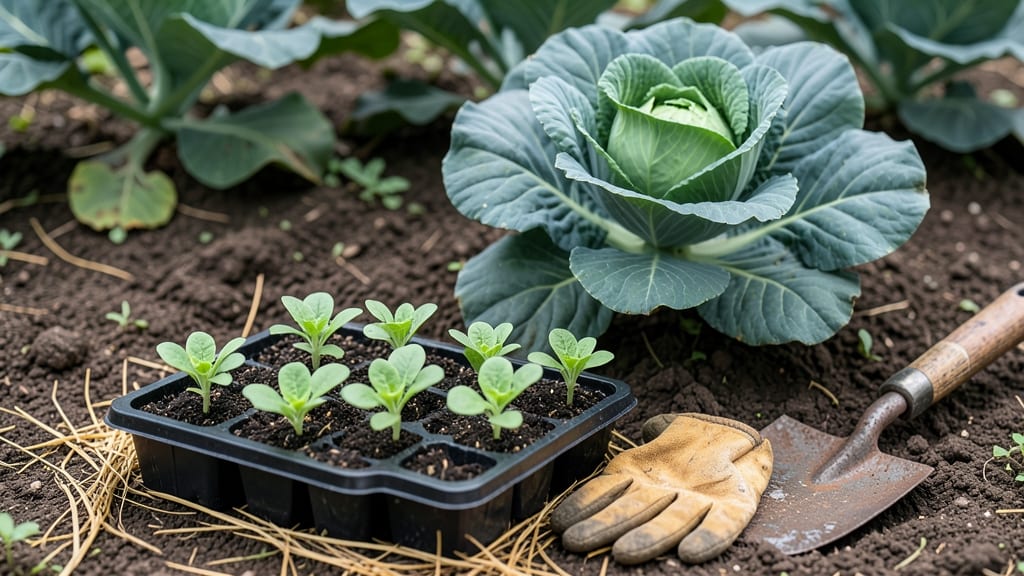
Timing your 🥬 cabbage planting in Missouri right can mean the difference between a thriving garden and a disappointing harvest. With Missouri's 5b-6a climate, getting those seeds in the ground at the perfect moment—whether for spring or fall—is key to avoiding bolted greens or frost damage.
Most gardeners in Missouri swear by planting 🥬 cabbage in March-April for spring harvests or August-September for fall, but the exact window depends on your last frost date.
If you're in St. Louis or Kansas City, 4-6 weeks before your average last frost is the sweet spot for spring starts, while fall plantings should go in 10-12 weeks before the first frost.
Here's the game-changer: cold-resistant varieties like 'Golden Acre' or 'Red Express' thrive in Missouri's shorter growing seasons, but even they need the right timing. I'll walk you through exactly when to plant, how to prep your soil, and which varieties perform best in your specific zone.
Whether you're a first-timer or a seasoned gardener, these Missouri-specific tips will help you grow cabbage that's crisp, healthy, and ready to harvest just when you need it—no guesswork required.
Optimal cabbage planting times in Missouri: spring vs. fall schedule
Missouri gardeners know timing is everything—especially for cabbage, which thrives in cool weather but wilts under summer heat. The key to success lies in planting 4-6 weeks before your last frost for spring harvests or 10-12 weeks before the first frost for fall crops.
With Missouri’s USDA Zones 5b-7a, your exact dates depend on your region’s frost patterns (typically mid-April to late October).
For most of Missouri, the last average frost date falls around April 15, while the first frost arrives near October 15. However, microclimates—like urban heat islands or high-elevation areas—can shift these dates by 1-2 weeks.
Always check your local Missouri Climate Center or MU Extension resources for precision.
Spring planting is your best bet for a summer harvest, but fall cabbage often yields sweeter, more tender heads. The trick? Start seeds indoors 6-8 weeks before transplanting outdoors to give seedlings a head start.
Harden them off for 7-10 days before moving to the garden to avoid transplant shock.
Here’s how to align your planting with Missouri’s seasons:
| Season | Planting Window | Soil Temp | Transplant Outdoors | Harvest Window |
|---|---|---|---|---|
| Spring | March 15–April 15 | 40–50°F | April 1–May 1 | June–July |
| Fall | August 1–September 15 | 50–60°F | September 1–October 1 | October–November |
| Late Summer (Bonus) | June 15–July 15 | 50–60°F | July 1–August 1 | September–October |
*Adjust dates 1–2 weeks earlier for northern Missouri (Zone 5b) or later for southern Missouri (Zone 7a).
Direct sowing is an option for early spring plantings (as soon as soil is workable), but transplanting 4-6 week old seedlings gives you more control over spacing and maturity.
For fall crops, aim to get seedlings in the ground 8-10 weeks before frost—this ensures heads firm up before cold sets in.
Missouri’s unpredictable weather can throw off your timing. If late frosts linger into May, opt for cold-hardy varieties like ‘January King’ or ‘Winterbor’ and use row covers for protection. Conversely, if summer heat arrives early, shift your focus to shade-tolerant varieties or extend the season with succession planting.
Pro tip: Mark your calendar for St. Patrick’s Day (March 17) and Labor Day (first Monday in September) as rough benchmarks. These dates align with Missouri’s average frost-free windows for most regions.
For example, St. Louis gardeners can typically plant spring cabbage by March 20, while Kansas City may wait until April 1.
Soil temperature is just as critical as air temperature. Use a soil thermometer to confirm your garden bed is 40–50°F for spring plantings or 50–60°F for fall. Cold soil slows germination, while soil that’s too warm can cause seedlings to bolt prematurely.
Amend your soil with compost or aged manure before planting to improve warmth retention.
Don’t forget to account for maturity days. Most cabbage varieties take 60–100 days to harvest, so choose early-maturing types (60–75 days) for spring and mid-season varieties (75–90 days) for fall. For example, ‘Golden Acre’ matures in 65 days, making it ideal for Missouri’s short growing season.
Missouri’s humidity and variable rainfall can also impact planting success. If your spring is dry, consider drip irrigation to keep seedlings consistently moist. For fall plantings, prioritize well-draining soil to prevent rot during wet autumns.
Optimal cabbage planting times in Missouri: spring vs. fall schedule
Missouri’s USDA Zones 5b-7a mean your cabbage planting schedule must account for both early spring frosts and late fall chills. For most regions, including St. Louis and Kansas City, aim to plant spring cabbage 4-6 weeks before your last frost date—typically between March 15 and April 15.
Fall plantings should go in 10-12 weeks before the first frost, usually August 1 to September 15.
Your exact timing depends on your local frost dates. Check the Missouri Botanical Garden’s frost calendar or use the University of Missouri Extension’s planting guide for your county’s specific averages. For example, northern Missouri (Zone 5b) may need to start indoor seedlings earlier than southern Missouri (Zone 7a).
🌱 Missouri Cabbage Planting Comparison
| Season | Planting Window | Soil Temp | Method | Notes |
|---|---|---|---|---|
| Spring | March 15–April 15 | 45–55°F | Direct sow or transplant | Use row covers for frost protection |
| Fall | August 1–September 15 | 50–60°F | Transplant only | Choose cold-hardy varieties |
For spring cabbage, I recommend starting seeds indoors 6-8 weeks before your last frost if you’re using transplants. Direct sowing works too, but seedlings need to be 4-6 inches tall before transplanting to avoid stunted growth.
If you’re in a cooler microclimate (like the Ozarks), opt for early-maturing varieties like 'Golden Acre' to beat the heat.
Fall plantings are trickier in Missouri because summer heat can stress young cabbage. Begin with transplants (not seeds) in early August to give them time to establish roots before cooler weather arrives.
If you’re in southern Missouri (Zone 7a), you might squeeze in a late summer planting around July 15, but be prepared to use shade cloth during heatwaves.
Missouri’s unpredictable late frosts can ruin a cabbage crop if you’re not prepared. Always have frost cloth or row covers on hand for spring plantings, and consider using a cold frame to extend your fall harvest into November.
The key is to monitor your local forecast and adjust your planting timeline accordingly.
Pro tip: If you miss the ideal window, don’t despair! Some cold-resistant varieties like 'Red Express' can tolerate light frosts, and you can always try a microgreen harvest by cutting outer leaves before the heads fully form. 🌱