
Plants
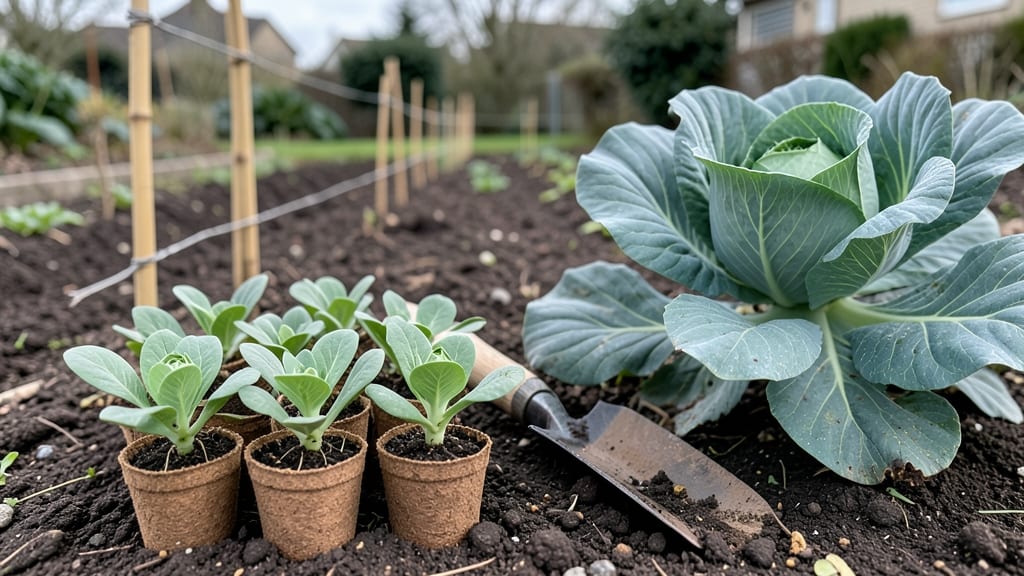
Timing your 🥬 cabbage planting in Indiana can mean the difference between a bountiful harvest and a disappointing garden. With Indiana's Zone 6a climate, you've got two prime windows to get those crisp heads growing strong—spring and fall—but getting it wrong means bolting plants or stunted growth.
Most gardeners make the mistake of planting too early when the soil is still cold, or too late when summer heat arrives.
I've learned the hard way that March 15 to April 15 is your sweet spot for spring planting, while fall offers a second chance from July 15 to August 15.
These windows account for Indiana's 165 frost-free days and give your cabbage enough time to mature before winter sets in.
What you'll discover in this guide is how to read your local frost dates, choose the right cold-hardy varieties, and even extend your harvest season using simple techniques.
We'll cover everything from soil prep to spacing, so you can avoid common pitfalls and grow cabbage that's juicy, pest-free, and ready to harvest when you need it most.
Whether you're a first-time gardener or a seasoned green thumb, these insights will help you maximize your yield and enjoy fresh cabbage straight from your Indiana garden. Let's get those seeds in the ground at the perfect time!
Optimal planting windows for cabbage in Indiana’s zone 5B/6A climate
Indiana’s Zone 5B/6A climate gives you two clear windows to plant cabbage: early spring and late summer. The key is avoiding late frosts in spring and early heat in summer, both of which can stress young plants.
For spring, aim to plant 4-6 weeks before your last frost date, which in Indiana typically falls around April 15. This gives your cabbage enough time to mature before summer heat arrives.
Fall planting is just as critical—start seeds July 15 to August 15 so they’ll mature before the first frost hits around October 15. This second harvest window is often overlooked but can be just as productive.
I’ve found that late July plantings give the best balance between warm soil and cool autumn nights, which cabbage loves.
Here’s the summary table breaking down Indiana’s planting windows, frost considerations, and ideal soil temperatures for each season:
| Season | Planting Window | Soil Temp (°F) | Frost Considerations |
|---|---|---|---|
| Spring | March 15 – April 15 | 45–55°F | Plant after last frost (April 15 avg.) |
| Fall | July 15 – August 15 | 50–60°F | Harvest before first frost (Oct 15 avg.) |
| Succession | Every 2 weeks | 45–55°F | Extend harvest with staggered plantings |
For northern Indiana (Zone 5B), where frosts linger longer, push your spring planting back to April 1 to avoid cold snaps. In southern Indiana (Zone 6A), you can start as early as March 1 if your soil warms quickly.
Always check your local frost dates—they can vary by 1-2 weeks from year to year.
One trick I use is to test soil temperature with a simple thermometer. Cabbage seeds need soil at least 45°F to germinate, but ideal temperatures for fast growth are 55–65°F. If your soil is colder, wait a few days or use black plastic mulch to warm it up faster.
Don’t forget about succession planting! By sowing new seeds every 2 weeks from March through August, you can enjoy a steady supply of cabbage all season long. This is especially useful for fast-maturing varieties like ‘Early Jersey Wakefield,’ which can be ready in just 60 days.
If you’re planting in containers or raised beds, warm up the soil faster by adding compost or aged manure a week before planting. This gives your cabbage a head start in cooler conditions. Just be sure to water deeply after planting to settle the soil and encourage root growth.
For gardeners in urban areas or microclimates, like near large bodies of water, you might experience slightly later frosts. When in doubt, use row covers to protect young plants from unexpected cold snaps. These lightweight fabrics can add 2–4°F of warmth without trapping too much heat.
Timing your planting right isn’t just about avoiding frost—it’s also about pest management. Cabbage worms and flea beetles are less active in cooler weather, so spring and fall plantings often have fewer issues.
We’ll dive deeper into pest-resistant varieties in the next section, but for now, focus on getting those seeds in the ground at the perfect time!
Optimal planting windows for cabbage in Indiana’s zone 5B/6A climate
Indiana’s Zone 5B/6A climate gives you two clear windows for planting 🥬 cabbage: early spring and late summer. The key is avoiding both late frosts and summer heat, which can stress your plants.
For spring, aim to plant 4-6 weeks before your last frost date—typically between March 15 and April 15. This timing ensures your cabbage matures before summer’s intensity peaks.
Fall planting offers a second chance for harvests. Start seeds July 15 to August 15, giving them enough time to grow before the first frost hits around October 15.
This strategy maximizes your garden’s productivity and stretches your harvest season. In Indiana’s shorter growing season, these windows are critical for success.
Soil temperature is just as important as air temperature. Cabbage thrives when soil reaches 45°F (7°C)—warmer than many gardeners realize. Use a soil thermometer to confirm readiness, especially in Indiana’s cooler northern regions. Planting too early in cold soil slows germination and invites pests like flea beetles.
| Planting Window | Ideal Soil Temp | Days to Maturity | Harvest Months |
|---|---|---|---|
| Spring (Mar 15-Apr 15) | 45°F (7°C) | 60-90 days | June-July |
| Fall (Jul 15-Aug 15) | 50°F (10°C) | 50-70 days | Oct-Nov |
| Succession Planting | 45°F (7°C) | 60-80 days | June-Oct |
Indiana’s microclimates can shift planting windows by weeks. Northern counties (like Zone 5B) may need to delay until April 1, while southern areas (like Zone 6A) can start as early as March 1.
Check your local USDA frost maps and adjust accordingly. For example, Gary might plant a week earlier than South Bend.
Succession planting is a game-changer for Indiana gardeners. Instead of one big planting, sow seeds every 2-3 weeks from March to July. This ensures a steady supply of fresh cabbage and reduces the risk of losing your entire crop to pests or weather.
For example, plant one batch in late March, another in early May, and a final one in mid-June.
Don’t forget to account for Indiana’s 165 frost-free days. Fast-maturing varieties (like ‘Early Jersey Wakefield’) are ideal for northern regions, while slower varieties (like ‘Golden Acre’) work better in southern areas. Always match your variety to your local growing season to avoid disappointment.
Pro tip: If you’re unsure about your frost dates, use a frost calendar from your local Indiana Cooperative Extension office. They provide hyper-localized advice tailored to your county. With the right timing, your cabbage will thrive even in Indiana’s unpredictable climate! 🌱