
Plants
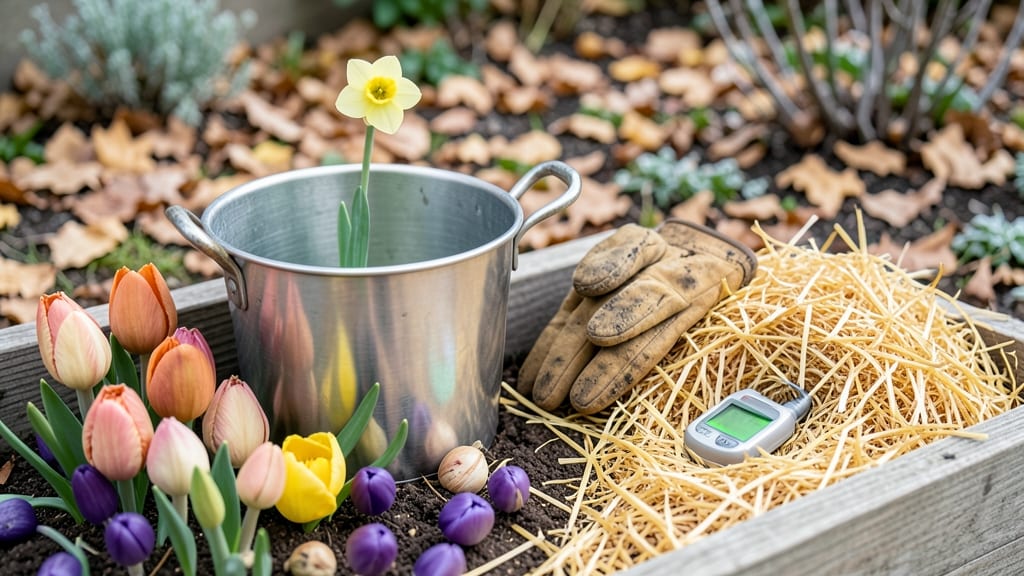
Timing your bulbs (General) 🌱 planting in Kentucky isn’t just about the calendar—it’s about outsmarting the Bluegrass’s unpredictable frosts. Plant too early, and your bulbs might rot; too late, and winter’s chill could kill them before they even sprout.
But get it right, and you’ll wake up next spring to a garden bursting with tulips, daffodils, and hyacinths that make your neighbors jealous.
Most gardeners in USDA Zones 6a-7a swear by fall planting—typically between October and November—when soil temps dip but the ground hasn’t frozen solid. This gives roots time to establish before winter’s worst hits.
But spring planting can work for certain bulbs, like dahlias, if you’re willing to play the frost-lottery game.
Here’s the game-changer: Kentucky’s microclimates—think Appalachian hills vs. flat Bluegrass fields—mean frost dates can shift by weeks. I’ll break down the exact windows, soil prep secrets, and how to adjust for your corner of the state so your 🌱 bulbs (General) thrive, no matter what Mother Nature throws at them.
Ready to turn your yard into a springtime spectacle? Let’s dive into the fall vs. spring showdown and lock in your planting schedule for foolproof blooms.
Best fall planting times for Kentucky bulbs to survive winter
Kentucky’s fall frost dates can vary wildly—from mid-October in the Appalachians to late November in the Bluegrass region. To ensure your tulips, daffodils, and crocuses thrive, plant bulbs 6-8 weeks before the ground freezes.
For most of Kentucky, this means late September through early November, but always check your local USDA Zone 6a-7a frost chart.
Why fall planting? Bulbs need cool soil and time to establish roots before winter dormancy. Planting too early (like August) can encourage premature sprouting, while planting too late (after November) risks frozen roots. Aim for 60-70°F soil temps—ideal for root growth without sprouting.
Here’s how to adjust for Kentucky’s microclimates:
- Bluegrass Region (Lexington, Louisville): Plant by October 15th—warmer soils mean faster root growth.
- Appalachian Foothills (Corbin, Pikeville): Wait until October 30th—cooler temps slow sprouting risks.
- Western Kentucky (Paducah): November 1st cutoff—drier soils freeze sooner.
🌱 Kentucky Bulb Planting Timeline
| Region | Ideal Planting Window | Soil Prep Tip | Depth |
|---|---|---|---|
| Bluegrass (Zone 7a) | Late September–October 15 | Mix in compost; soil stays warm longer | 4–6 inches |
| Appalachian (Zone 6a) | October 1–October 30 | Add sand for drainage; cooler soils | 5–7 inches |
| Western KY (Zone 7a) | September 15–November 1 | Mulch after planting to insulate | 4–6 inches |
⏰ Pro Tip: Use a soil thermometer—plant when temps hit 60°F.
Before planting, amend your soil with compost or bone meal (1 tbsp per bulb) to boost phosphorus for root growth. Kentucky’s clay-heavy soils benefit from sand or peat moss to improve drainage—waterlogged bulbs rot over winter. Test your soil’s pH (6.0–7.0 is ideal for most bulbs).
For container gardening, use well-draining pots with drainage holes and plant bulbs twice as deep as their height. Place containers in protected spots (like against a south-facing wall) to shield from winter winds, which can dry out soil and stress bulbs.
After planting, water deeply (1 inch) to settle soil around roots, then mulch with 2–3 inches of straw. This insulates bulbs from temperature swings and prevents heaving (when bulbs push out of frozen soil). Remove mulch in early spring to avoid suffocating sprouts.
Don’t forget late-season bloomers like crocuses and snowdrops, which can handle early fall planting (August–September). These tough bulbs naturalize easily in Kentucky’s climate, returning year after year with minimal care.
If you miss the fall window, don’t panic—spring planting is possible for heat-tolerant bulbs like dahlias or cannas. But for traditional spring bloomers, fall is your best bet for vibrant, reliable flowers next spring.
🌿 Remember: The key to Kentucky bulb success is timing + soil prep. With the right approach, you’ll enjoy months of color—from crocuses in March to tulips in May.
Best fall planting times for Kentucky bulbs to survive winter
Kentucky’s fall planting window for bulbs is your golden ticket to spring blooms—if you nail the timing. Aim to plant 6-8 weeks before the ground freezes, typically between mid-October and early November in most of the state. This gives roots time to establish before winter’s chill sets in.
But here’s the catch: Kentucky’s microclimates vary wildly. The Bluegrass region (like Louisville) usually freezes by mid-November**, while Appalachian areas (e.g., Eastern KY) can hold off until late November or even December. Check your local USDA Zone 6a-7a frost chart to fine-tune your schedule.
🌱 Pro Tip: Test your soil’s readiness by pushing a screwdriver into the ground. If it resists after 6 inches, it’s time to plant. Too early, and bulbs may rot; too late, and they’ll starve before winter.
📅 Kentucky Bulb Planting Timeline
| Region | Ideal Planting Window | Soil Temp Goal | Key Task |
|---|---|---|---|
| Bluegrass (Louisville, Lexington) | October 15–November 1 | 45–55°F | Add compost; plant tulips/daffodils |
| Appalachian (Eastern KY) | November 1–15 | 40–50°F | Mulch heavily; plant crocuses/hyacinths |
| Northern KY (Paducah) | October 1–October 30 | 50–60°F | Plant early; cover with straw |
Prep your soil like a pro: Loosen the ground to 8–12 inches deep and mix in compost or aged manure for nutrients. Bulbs need well-draining soil—amend heavy clay with sand or perlite if needed.
Plant them 4–6 inches deep, with the pointy end up, and space larger bulbs (like tulips) 6 inches apart.
After planting, water deeply to settle the soil, then mulch with 2–3 inches of straw or shredded leaves to insulate roots. This protects against freeze-thaw cycles and keeps soil temps stable. Skip synthetic mulches—they can smother bulbs as they sprout.
🌿 Remember: Fall-planted bulbs need zero care until spring. The key is getting them in the ground before the first hard frost. Mark your calendar now—your future spring garden depends on it!