
Plants
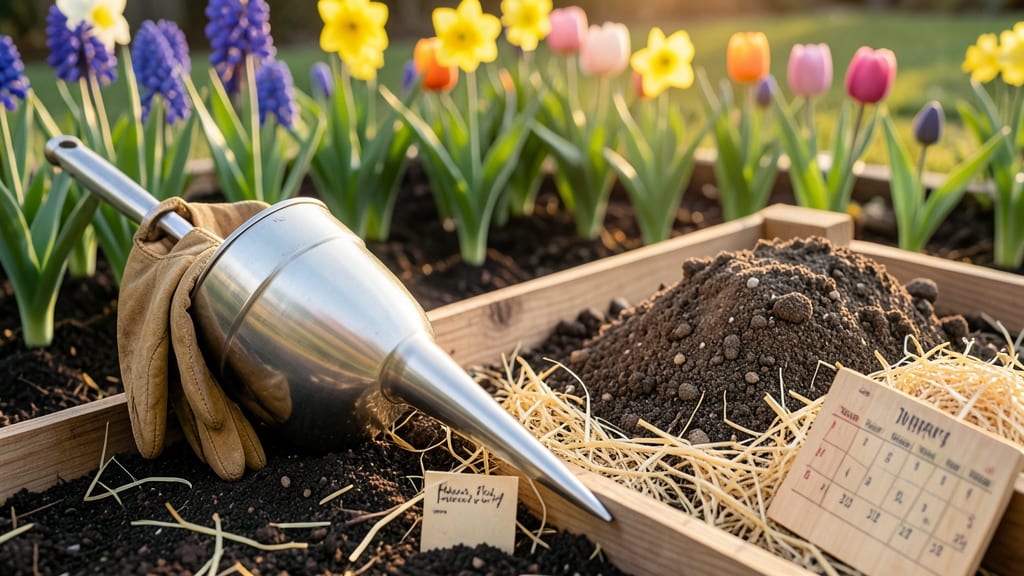
Timing your bulbs in Indiana planting could mean the difference between a showstopping spring garden and a missed opportunity—especially in Zone 6a where frost lingers unpredictably. One wrong move, and your daffodils or tulips might never make it past winter’s chill.
The key? Planting 6-8 weeks before the ground freezes in fall or as soon as soil is workable in spring.
Indiana’s September-October window is your golden ticket for fall-planted bulbs like daffodils and alliums, while March-April is the sweet spot for spring varieties. But here’s the catch: late frosts can sneak in, throwing off even the best-laid plans.
I’ll show you how to adjust your schedule and prep your soil like a pro to ensure those 🌱 bulbs thrive year after year.
Whether you’re a first-time gardener or a seasoned green thumb, nailing the right timing saves you from common mistakes—like planting too early and risking frost damage or waiting too long and missing the ideal window.
Let’s dive into the exact months, soil prep tips, and frost-free strategies tailored just for Indiana’s climate.
By the end, you’ll know exactly when to plant, how deep to go, and which bulbs perform best in your backyard. No more guesswork—just vibrant blooms and a garden that steals the show every spring.
Indiana bulb planting calendar: exact months by flower type
Indiana’s USDA Zone 6a climate means your bulb planting schedule hinges on avoiding frost damage while giving roots time to establish. Most spring-blooming bulbs—like tulips and hyacinths—need to be planted in fall (September–October), while daffodils tolerate later planting.
For spring planting, aim for March–April once soil temperatures rise above 40°F. Missing these windows can leave bulbs vulnerable to winter kill or poor blooming.
Northern Indiana’s earlier frost dates (mid-October) demand earlier planting compared to southern Indiana (late October). Always check your local last frost date—Purdue Extension’s Indiana Garden Hotline (812-855-6708) provides updates. Planting too late risks bulbs sprouting before winter, while too early can expose them to soil-borne diseases.
🌱 Key Takeaway: Fall planting is critical for most bulbs—6–8 weeks before ground freezes—while spring planting requires workable soil (no mud!).
| Bulb Type | Planting Window | Depth (inches) | Spacing (inches) | Notes |
|---|---|---|---|---|
| Daffodils | September–November | 6–8" | 4–6" | Tolerates late planting; deer-resistant |
| Tulips | September–October | 6–8" | 4–6" | Plant early; mulch heavily for winter |
| Hyacinths | September–October | 6" | 4–5" | Fragrant; needs well-drained soil |
| Alliums | September–October | 6–8" | 6–8" | Drought-tolerant; long-lasting blooms |
| Crocuses | September–October | 3–4" | 2–3" | Early spring bloomer; great for lawns |
For spring planting, focus on daffodils and alliums, which handle Indiana’s variable springs better than tulips. Plant as soon as soil is workable (40°F+), typically late March–April. Use a soil thermometer to confirm—roots need 50°F+ soil to establish before summer heat arrives.
Pro tip: Layer mulch (3–4 inches of straw or shredded leaves) after planting to insulate bulbs from temperature swings. This is especially critical in northern Indiana, where late frosts can linger into May. Remove mulch in early spring to prevent rot.
Indiana’s humid summers can stress bulbs, so prioritize well-draining soil. Amend clay soil with compost or sand to prevent waterlogging. Avoid planting in low-lying areas where frost lingers longer—opt for slightly elevated beds for better drainage and earlier warming.
🌿 Mistake Alert: Planting tulips in November risks winter heave (bulbs popping out of soil). Stick to September–October for reliable blooms.
Test your soil’s readiness with the "finger test": Push a finger into the soil—if it’s cool but not frozen and crumbles easily, it’s time to plant. For container gardening, use well-draining pots and plant bulbs shallowly (4–6 inches deep) to accommodate smaller root zones.
How to adjust planting dates for Indiana’s unpredictable fall springs
Indiana’s USDA Zone 6a climate throws curveballs—one year’s early October frost can turn into another’s unseasonably warm November. To protect your tulips, daffodils, and alliums, I adjust planting dates based on soil temperature and local frost forecasts.
For example, if your area hit 32°F in late September last year, push back your fall planting by 2-3 weeks.
Start by checking the Purdue Extension’s frost calendar—their 30-year averages for your county are your best guide. If you’re in northern Indiana (Zone 5b border), aim for mid-September planting; in southern Indiana (Zone 6b), you’ve got until early October.
But always verify with a soil thermometer—bulbs need 60°F soil to root before winter.
🌱
⚠️ Late Planting Warning
Planting bulbs after October 15 in Zone 6a risks shallow root growth before freeze. If you miss the window, wait until spring (March-April) but expect smaller blooms the first year.
Pro Tip: Use a mulch blanket (straw or leaves) to insulate newly planted bulbs if frost hits early.
For spring planting, I swear by the "finger test": Stick your finger 6 inches deep into the soil in March. If it’s crumbly and above 40°F, it’s go-time.
In northern Indiana, this might be late March or April; in southern Indiana, you could start as early as February.
Another trick? Plant some bulbs early (late August) and others late (early November) to stagger blooms. This extends your spring display and acts as a built-in insurance policy against frost surprises. Just mark your rows with stakes or flags so you don’t accidentally dig them up next year!
Don’t forget to amend your soil before planting—Indiana’s clay-heavy soil drains poorly. Mix in 2 inches of compost and a handful of sand or perlite to improve drainage. Bulbs rot in waterlogged soil, and that’s a heartbreak no gardener needs.
Finally, keep a planting journal to track what works in your microclimate. Note the exact dates you plant, soil temps, and bloom results. Over 3 years, you’ll spot patterns—like why your tulips bloom 2 weeks earlier than your neighbor’s—so you can fine-tune your schedule like a pro.