
Plants
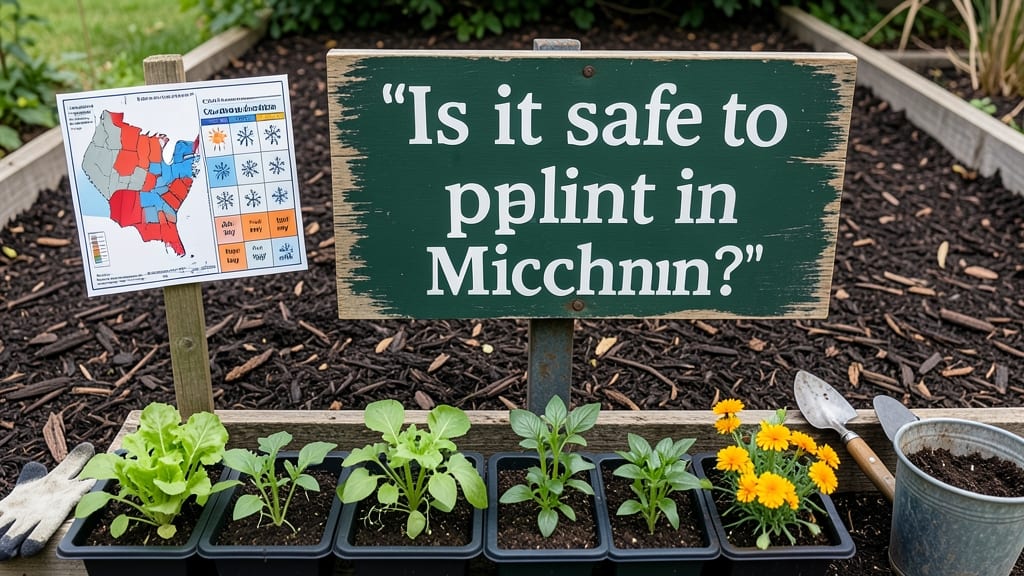
When is it safe to plant in Michigan? Timing your garden just right can mean the difference between a thriving harvest and a sad, frost-nipped failure. The question isn’t just about dates—it’s about understanding your local microclimate and USDA Zone, whether you're in the Upper Peninsula or the Lower Peninsula.
For most gardeners, the answer lies in waiting for the last frost date, but Michigan's unpredictable weather throws a wrench into even the best-laid plans.
I've learned that patience pays off—planting too early risks losing your seedlings to a surprise freeze, while waiting too long might cut your growing season short. The key is balancing historical averages with real-time conditions.
In this guide, I'll break down the exact frost-free timelines for USDA Zones 5b and 6a, share strategies to extend your season, and help you pick the perfect planting window for everything from cold-hardy greens to heat-loving tomatoes.
Let's make sure your garden starts strong and stays that way all season long.
Whether you're a first-time gardener or a seasoned pro, these insights will help you avoid common mistakes and maximize your Michigan garden's potential. Ready to dig in?
Michigan frost-free dates by USDA Zone 5b & 6a: exact timeline for safe planting
Michigan's USDA Zones 5b and 6a create distinct planting windows that can make or break your garden's success. In Zone 5b (northern Michigan), the average last frost date falls between May 10-20, while Zone 6a (southern Michigan) typically sees its last frost around May 1-10.
These dates mark when it's statistically safe to plant warm-season crops like tomatoes and peppers outdoors.
However, these averages are just starting points. Michigan's microclimates—like urban heat islands or lakeside areas—can shift frost dates by 1-2 weeks. For example, Detroit's urban core often warms up faster than rural Midland, creating localized planting opportunities.
Always verify with your local cooperative extension office for hyper-localized advice.
For cool-season crops like lettuce or peas, you can plant as early as April 15-30, even before the last frost, since they tolerate light frosts. The key is soil temperature: aim for 40°F (4°C) or warmer for most vegetables.
Use a soil thermometer to confirm—cold soil delays germination, even if air temperatures seem ideal.
Here’s how to interpret Michigan’s frost-free timeline for your garden planning:
🌱 Michigan Planting Timeline by USDA Zone
| Zone & Location | Last Frost Date (Avg.) | Safe Planting Window | Notes |
|---|---|---|---|
| Zone 5b (North) | May 10-20 | May 21 - June 10 | Use row covers for early starts |
| Zone 6a (South) | May 1-10 | May 11 - June 1 | Warmer microclimates may allow earlier planting |
| Great Lakes Shoreline | May 5-15 | May 16 - May 31 | Lake-effect delays frost |
| Urban Areas (e.g., Detroit, Grand Rapids) | April 25 - May 5 | May 6 - May 20 | Heat islands warm soil faster |
Always cross-reference these dates with Almanac frost predictions or local weather reports, as Michigan’s weather can be unpredictable. For instance, a late-May frost in 2020 caught many gardeners off guard, damaging tender seedlings.
To mitigate risks, I recommend hardening off transplants for 7-10 days before the official last frost date and keeping frost cloth on hand.
Perennials and cold-hardy annuals like pansies can often go in the ground as early as April 1, provided the soil isn’t frozen or waterlogged. For warm-season vegetables, wait until nighttime temperatures consistently stay above 50°F (10°C).
Tomatoes, for example, thrive when soil temperatures reach 60°F (15°C)—a threshold that’s rarely met before late May in most of Michigan.
Pro tip: Use biodegradable plant pots for early starts. They protect young roots from soil temperature fluctuations and can be planted directly into the ground once the risk of frost has passed. This method also reduces transplant shock, giving your plants a head start in Michigan’s short growing season.
For first-time gardeners, it’s tempting to rush planting, but patience pays off. I’ve seen pepper plants wilt overnight after a surprise frost in early June. To avoid this, monitor your local National Weather Service alerts and consider using a minimum-maximum thermometer to track nighttime lows.
This small investment can save your entire garden.
Remember, Michigan’s first frost typically arrives between September 20-30 in Zone 6a and October 1-10 in Zone 5b. Planning backward from these dates helps you time your harvests for peak flavor and storage potential. For example, kale and carrots sweeten after frost, making them ideal for late-season planting.
🌱
How to adjust planting dates for Michigan’s unpredictable weather patterns
Michigan’s weather can shift faster than a tomorrow’s forecast, making planting dates tricky. Even if your neighbor plants tomatoes in early May, their urban microclimate may stay warmer longer than your rural USDA Zone 5b plot. The key is adapting to soil temperature, not just air temperature.
Start by checking soil thermometers—ideal planting temps vary by crop. For cool-season veggies like spinach or peas, soil should reach 40°F, while warm-season crops like cucumbers need 60°F+. Use a soil warming blanket or black plastic mulch to jumpstart slow-warmed beds.
🌱
⚠️ Common Mistakes to Avoid
Planting too early risks frost damage—even if seedlings peek above soil. Waiting too late shortens the harvest window. Urban gardeners often overestimate warmth, while rural areas may underestimate it.
Solution: Use row covers or frost cloth to extend early planting by 2-3 weeks. Monitor local frost forecasts (like NOAA’s) and adjust dates accordingly.
Extend your growing season with seasonal adjustments. For spring, plant cold-hardy crops like kale or radishes 4-6 weeks before your last frost date. For fall, opt for quick-maturing varieties (e.g., bush beans) to harvest before first frost.
Use microclimate tricks to your advantage. South-facing walls or greenhouses can add 10°F+ warmth compared to open fields. Elevate beds with raised planters—warmer soil speeds up germination. And always harden off transplants gradually to avoid shock from sudden temp swings.
Track your own data! Record planting dates, frost occurrences, and harvest success for 2-3 years. Over time, you’ll spot patterns—like why your tomatoes always bolt in July or your peppers struggle in June. Adjust future planting windows based on your local history, not just averages.
🌿