
Plants
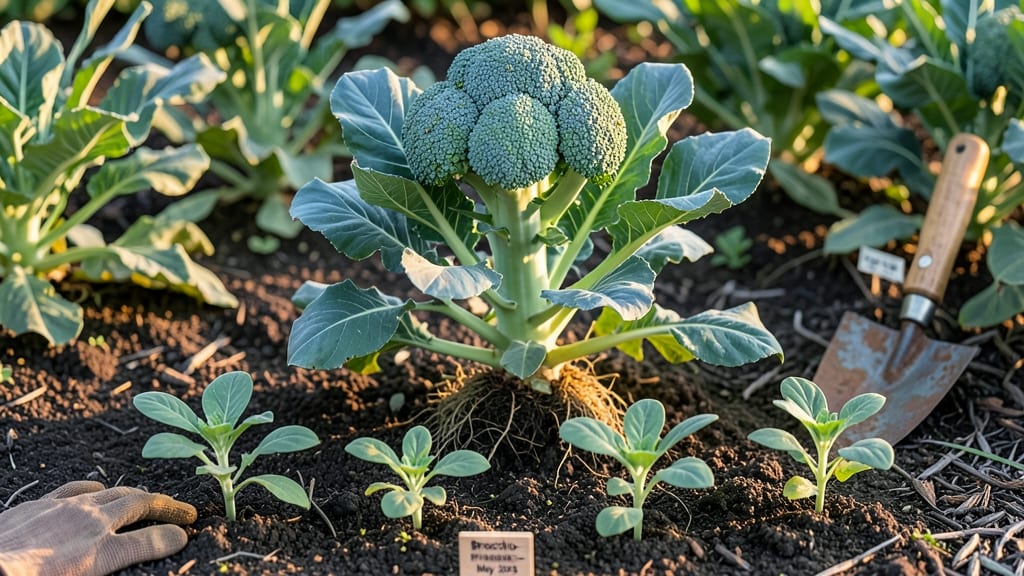
Planting broccoli in Massachusetts at the wrong time can mean the difference between a bountiful harvest and wasted effort—especially in Zone 5B & 6A, where frost dates shift dramatically between Boston and the Berkshires.
The ideal window isn’t just about the calendar; it’s about soil warmth, last-frost averages, and avoiding summer’s heat that sends broccoli 🥦 bolting faster than you can say "harvest."
Most gardeners assume spring is the only chance to grow broccoli, but Massachusetts’ cool climate actually lets you plant twice a year—spring for summer harvests and fall for winter storage.
I’ll break down the exact dates for your specific zone, including when to start seeds indoors versus direct sowing for maximum success.
You’ll also discover how to stretch your growing season with succession planting and cold frames, so you’re not left scrambling when the first frost hits. Whether you’re a first-time gardener or a veteran with a few failed broccoli attempts, these strategies will help you time your plantings like a pro.
Let’s dive into the frost-free dates, soil prep secrets, and variety choices that work best for Massachusetts gardeners—so you can enjoy homegrown broccoli from summer through fall without the guesswork.
Massachusetts broccoli planting calendar: exact dates by zone 5B & 6A
Massachusetts’ cool-season climate makes broccoli a garden staple, but timing is critical. In Zone 5B (e.g., Worcester), average last frost dates land around April 15–May 1, while Zone 6A (e.g., Boston) sees frost-free soil slightly earlier, by April 1–April 15.
These windows determine whether your crop thrives or bolts prematurely.
For spring plantings, aim to transplant seedlings 2–3 weeks before your last frost—typically mid-to-late April in most of Massachusetts. Soil temperature should reach 40–50°F for optimal germination. If sowing directly, wait until soil warms to 50°F, usually late April to early May.
Fall is your second chance! Plant late summer seedlings (August) for a September–October harvest before first frost (typically October 15–November 1). Direct-sow seeds in July for a 90–100-day harvest window.
| Season | Zone 5B (Worcester) | Zone 6A (Boston) | Soil Temp | Notes |
|---|---|---|---|---|
| Spring | April 15–May 1 | April 1–April 15 | 40–50°F | Transplant 2–3 weeks before last frost |
| Fall | August 1–15 | July 25–August 10 | 50–60°F | Direct-sow or transplant for late harvest |
In Zone 5B, where winters are colder, prioritize cold-hardy varieties like 'Waltham 29' or 'De Cicco'. These tolerate light frosts (28°F) better than heat-sensitive types. For Zone 6A, opt for heat-tolerant hybrids like 'Packman' or 'Calabrese' to avoid bolting in July’s heat.
Use row covers in early spring to protect seedlings from late frosts (common until May 10 in western MA). Remove covers when plants reach 6–8 inches tall to prevent overheating. For fall crops, extend the season with low tunnels until first frost.
Check the UMass Extension Service for real-time frost alerts—their frost-free date maps adjust yearly. In 2023, Boston’s last frost was May 5, while Springfield’s was May 12. Plan accordingly!
Pro tip: Start seeds indoors 6–8 weeks before transplanting (late February–March) using grow lights. Harden off seedlings for 7–10 days before outdoor placement to avoid transplant shock.
Remember, soil prep is key. Amend beds with compost to reach pH 6.0–7.0 and add aged manure for nitrogen. Broccoli is heavy-feeder—side-dress with compost every 3–4 weeks for best results.
🌱
How to extend your broccoli season in Massachusetts: succession planting & cold frames
Massachusetts’ short growing season doesn’t mean you’re limited to one broccoli harvest—with the right strategies, you can enjoy homegrown 🥦 from early summer through late fall. The trick? Succession planting and season-extending tools like cold frames or row covers.
These methods let you stagger plantings so you’re always harvesting fresh heads instead of facing a single, overwhelming bounty all at once.
For Zone 5B & 6A, where summer heat can trigger bolting, timing is everything. Start your first planting in early spring (mid-April to early May) for a summer harvest, then follow with every 2-3 weeks until mid-July.
This staggered approach ensures a continuous supply while avoiding the heat stress that causes broccoli to flower prematurely. In fall, aim for your last planting by mid-August to harvest before the first frost.
Cold frames and row covers are game-changers for extending your season. A simple cold frame can push harvests 2-4 weeks later into fall by trapping heat during the day and insulating at night.
For early spring starts, use floating row covers to protect seedlings from late frosts while still allowing sunlight. I’ve had great success with ‘Waltham 29’ and ‘Packman’ varieties—they’re heat-tolerant enough to handle Zone 6A’s occasional summer heat spikes.
Don’t overlook the power of microclimates in your garden. South-facing beds warm up faster in spring and stay warmer longer in fall—ideal spots for broccoli. If your garden has shady areas, opt for ‘Calabrese’ varieties, which tolerate partial shade better than others.
Just remember: broccoli still needs at least 6 hours of sun daily to thrive, even if it’s not full sun.
For gardeners in Zone 6A (like parts of Worcester or Springfield), summer heat is the biggest challenge. To combat bolting, plant shade cloth over seedlings during the hottest afternoon hours. I’ve also had success with drip irrigation—keeping roots consistently moist reduces stress that triggers early flowering.
Pair this with mulching (straw or shredded leaves) to retain soil moisture and cool the roots.
With these techniques, you can turn Massachusetts’ short season into a broccoli harvest marathon instead of a sprint. Start small—try one succession planting this year—and watch how quickly you’ll master the rhythm of your garden.
Before you know it, you’ll be the neighbor everyone envies for their endless supply of homegrown 🥦.