
Planting
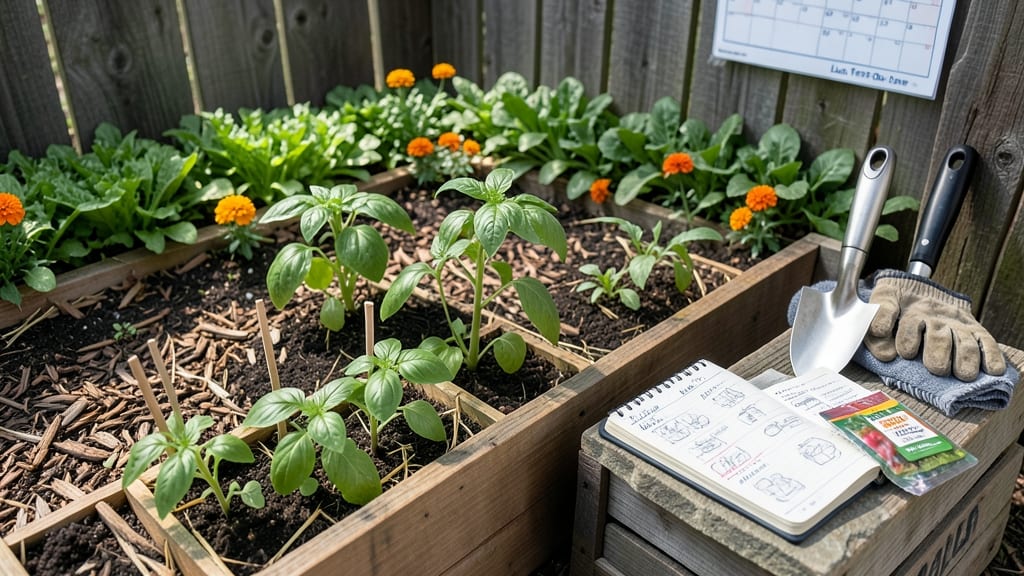
Timing your Ohio garden planting just right can mean the difference between a thriving harvest and a sad, frost-nipped disappointment. If you've ever stared at your seed packets in April wondering, "Is it too early?" or "Am I already too late?"—you're not alone.
Ohio's Zone 6a climate brings unpredictable spring weather that can turn your gardening plans upside down. But here's the good news: knowing the average last frost date (April 15) and soil temperature thresholds gives you a clear roadmap.
I'll show you exactly when to plant cool-season crops like spinach and peas versus warm-season favorites like tomatoes and peppers.
Beyond frost dates, we'll cover indoor seed-starting schedules, transplanting windows, and how to adjust for Ohio's regional microclimates. Whether you're a first-time gardener or a seasoned pro, these insights will help you maximize your growing season and avoid common planting pitfalls.
Let's dive into the perfect planting timeline for Ohio's diverse garden vegetables—so you can start strong and harvest like a pro from June through October.
Ohio’s frost-free dates by USDA Zone: when to plant cool vs warm-season crops
Ohio spans USDA Zones 5b-6b, meaning frost dates vary slightly between northern and southern regions. The average last frost date hovers around April 15 in most areas, but northern Ohio (Zone 5) can experience frost as late as May 1.
Always check your local Almanac frost calendar—it’s your gardening GPS!
For cool-season crops like spinach, peas, and kale, you can start seeds 4-6 weeks before the last frost. These hardy plants tolerate light frosts and even thrive in 40°F soil temps. I’ve planted lettuce in March under row covers with great success!
Warm-season crops—think tomatoes, peppers, and cucumbers—need soil temps above 60°F and no frost risk. Wait until 2 weeks after your last frost date to plant these heat-lovers. In Zone 6, that’s typically mid-May, but northern Ohio gardeners should wait until early June.
Here’s the critical timeline for Ohio gardeners:
| Plant Type | Zone 5 (North OH) | Zone 6 (South OH) | Key Tip |
|---|---|---|---|
| Cool-Season Crops | March 15-April 15 | March 1-April 15 | Use row covers for early starts |
| Warm-Season Crops | May 15-June 1 | April 30-May 15 | Soil must be 60°F+ |
| Herbs (Basil, Cilantro) | April 15-May 1 | April 1-April 15 | Basil needs warm soil |
| Flowers (Marigolds, Zinnias) | May 1-June 1 | April 15-May 1 | Direct sow after frost |
Pro tip: Use a soil thermometer to confirm warmth before planting warm-season crops. I’ve seen tomato seedlings wilt when planted in 55°F soil—don’t make that mistake! Test your soil for at least 3 days in a row to ensure consistency.
For northern Ohio gardeners, consider starting warm-season crops indoors in March under grow lights. This gives you a 4-6 week head start before transplanting outdoors. My pepper plants get a jumpstart this way and produce earlier and bigger yields.
Don’t forget about fall planting! Ohio’s first frost typically arrives October 15, leaving room for cool-season crops like radishes and spinach. Plant these 8-10 weeks before your first frost for a second harvest before winter sets in.
If you’re unsure about your exact frost dates, sign up for local weather alerts or use the Old Farmer’s Almanac app. These tools send real-time frost warnings so you can cover tender plants if needed. I’ve saved dozens of tomato plants with a simple frost blanket!
Remember: Zone 5 vs. Zone 6 makes a difference. Southern Ohio’s warmer microclimates allow for earlier planting, while northern areas play it safer. Always adjust your timeline by 1-2 weeks based on your specific location within the state.
Now that you’ve got the frost-free dates nailed down, your next step is aligning your planting with the moon phases—but that’s a topic for our next section! 🌱
Moon planting calendar for Ohio: best days to start seeds & transplant by month
Aligning your planting schedule with the moon’s phases can boost your Ohio garden’s success by optimizing water absorption and growth cycles. In Ohio’s USDA Zones 5-6, lunar planting timing helps you avoid frost damage while maximizing soil moisture—critical during our unpredictable springs.
The moon’s gravitational pull affects soil moisture and plant growth. For Ohio gardeners, root crops (carrots, beets) thrive during the moon’s full and waning phases, while leafy greens (lettuce, spinach) grow best during the new and waxing phases.
Understanding these cycles lets you fine-tune your planting for Ohio’s 165 frost-free days.
Here’s how to use the moon’s phases to time your Ohio plantings—whether starting seeds indoors or transplanting outdoors after the average last frost (April 15):
Plant spinach, peas, and lettuce during the new moon (Feb 28-Mar 13) for faster germination. Ohio’s soil temps are still cold, so use grow lights to simulate spring conditions.
Move seedlings outdoors during the waxing gibbous (April 4-11). Ohio’s last frost risk drops sharply after this phase—ideal for kale and broccoli.
Wait for the full moon (May 5-19) to plant tomatoes and peppers. Soil temps must reach 60°F+—use row covers if nights dip below 50°F.
Sow radishes and bush beans during the waning crescent (June 20-July 4). Ohio’s summer heat means daily watering—mulch to retain moisture.
Plant cabbage and carrots during the new moon (Aug 26-Sept 10). Use row covers to delay Ohio’s first frost (Oct 15) and protect late harvests.
Ohio’s variable weather makes lunar planting especially useful—you can adjust transplant dates based on moon phases if frost warnings delay your usual schedule. For example, if a late frost hits in mid-April, wait for the next waxing gibbous phase to replant warm-season crops like peppers.
Pro tip: Pair lunar timing with Ohio’s soil temperature guidelines. Use a soil thermometer—50°F for peas, 60°F for tomatoes. If the moon aligns but soil is too cold, wait a week. Patience beats perfection in Ohio gardening!
Track moon phases with apps like Farmers’ Almanac or Moon Phase Calendar. Ohio’s short growing season demands precision—lunar planting helps you make the most of every frost-free day. 🌙