
Plants
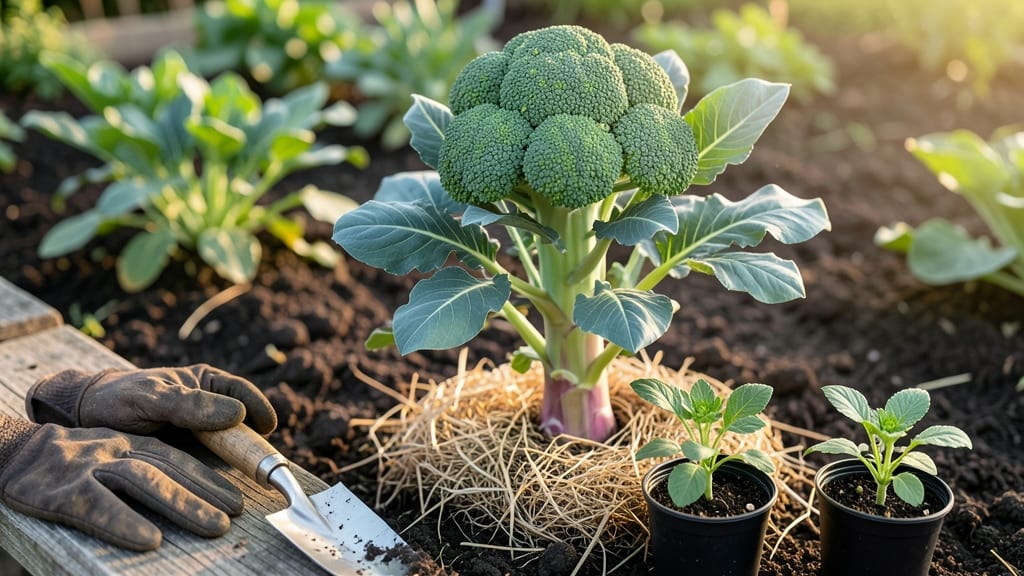
Timing your 🥦 broccoli planting in Connecticut can mean the difference between a thriving garden and a wasted effort—get it wrong, and you’ll either lose plants to frost or watch them bolt in summer heat.
The key is knowing exactly when to plant for USDA Zone 6A/6B, where last frosts linger until mid-April and first frosts arrive by mid-October.
Most gardeners in Connecticut focus on two planting windows: early spring (March–April) and late summer (August–early September). But here’s the catch—spring plantings need to happen 4–6 weeks before your last frost date, while fall crops must go in 90–120 days before the first frost to mature properly.
Miss these windows, and your harvest could be at risk.
Why does this matter? Because broccoli thrives in cool weather, and Connecticut’s climate swings can turn a great crop into a flop if you’re not strategic.
I’ll break down the exact frost-free window for your region, plus how to adjust for coastal vs. inland microclimates—so you can plant with confidence and avoid common mistakes.
Ready to grow broccoli that’s bigger, healthier, and ready at the perfect time? Let’s dive into the planting schedule that works for Connecticut’s unique growing conditions, so you can enjoy homegrown 🥦 broccoli from spring to fall.
Optimal broccoli planting dates in CT (zone 6A/6B)
Connecticut’s USDA Zones 6A/6B offer two ideal windows for planting broccoli: early spring and late summer. Missing these windows risks frost damage or premature bolting. Let’s break down the exact timing for Hartford, New Haven, and Stamford, where frost dates vary slightly.
For spring planting, aim to sow seeds or transplant seedlings 4-6 weeks before your last frost date—typically between late March and mid-April. Inland areas like Hartford often have colder microclimates, while coastal zones like Stamford may extend this window by 1-2 weeks.
Your fall planting window opens in late August to early September, allowing broccoli to mature before the first frost (mid-October). Heat-tolerant varieties like 'Calabrese' thrive in these late-summer starts, avoiding the stress of summer heat.
Here’s a quick reference for your region’s frost-free window:
| Planting Window | Last Frost Date | First Frost Date | Days to Maturity |
|---|---|---|---|
| Spring (Transplant) | April 15 (Zone 6A) | October 15 | 60-80 days |
| Spring (Direct Sow) | March 15-April 1 | October 15 | 70-90 days |
| Fall (Transplant) | August 15-September 1 | October 15 | 60-70 days |
| Fall (Direct Sow) | July 15-August 1 | October 15 | 80-90 days |
If you’re planting in coastal CT (Zone 6B), your last frost date may arrive 1-2 weeks earlier than inland areas. This means you can start 2-3 weeks sooner in spring and extend your fall planting by a similar margin.
For direct sowing, start seeds indoors 6-8 weeks before your target transplant date. Use seedling trays with a heat mat to ensure consistent germination in CT’s cooler early springs.
Always check the UConn Home & Garden Education Center for localized frost alerts, as microclimates can shift frost dates by 1-2 weeks even within the same zone.
Remember: Broccoli hates heat. Planting too late in summer risks bolting—choose heat-tolerant varieties like 'De Cicco' for late-season starts.
For a year-round harvest, stagger plantings every 2-3 weeks during your optimal windows. This ensures a steady supply from June through October.
How to adjust planting for CT’s microclimates (coastal vs. inland)
Connecticut’s diverse geography means your broccoli’s success depends on where you live. Coastal areas like New Haven and Stamford (Zone 6B) enjoy milder winters and later frosts, while inland regions like Hartford (Zone 6A) face colder pockets and earlier frost risks.
These microclimates shift your planting window by 2-3 weeks, so let’s break it down.
The Long Island Sound acts like a giant heat sink, delaying spring frosts by 10-14 days in coastal zones. Inland, cold air settles in valleys, making frost dates 1-2 weeks earlier.
For example, Stamford’s last frost typically hits April 22, while Hartford’s averages April 15. This means coastal gardeners can plant transplants 2 weeks earlier than inland growers.
🌱 Coastal vs. Inland Planting Adjustments
| Factor | Coastal (Zone 6B) | Inland (Zone 6A) |
|---|---|---|
| Last Frost Date | April 22 | April 15 |
| First Frost Date | October 22 | October 15 |
| Spring Planting Window | March 20 - April 15 | April 1 - April 15 |
| Fall Planting Window | August 15 - September 10 | August 1 - September 5 |
| Key Advantage | Longer growing season | Cooler nights slow bolting |
Coastal gardeners can push spring planting earlier thanks to warmer soils and wind protection. Direct-sow seeds as early as mid-March in sheltered microclimates, while inland growers should wait until early April.
For fall crops, coastal areas benefit from extended warmth—plant heat-tolerant varieties like 'Calabrese' by mid-August to avoid bolting before frost.
Inland gardeners should prioritize cold-hardy varieties like 'Waltham 29' and use row covers to protect young plants from late frosts. Cold pockets in valleys (e.g., near Farmington) may require 2-3 weeks later planting than nearby hills.
Always check local frost maps from the UConn Home & Garden Education Center for precise dates.
For both regions, soil temperature is critical. Use a soil thermometer—broccoli needs 40°F+ to germinate. Coastal soils warm 5-7 days earlier than inland. If your soil runs cold, start transplants indoors 4-6 weeks before your target outdoor date.
Finally, elevation matters. Higher inland areas (e.g., Torrington) may experience earlier frosts than lower elevations. If you’re unsure, plant a test row of fast-maturing varieties like 'De Cicco' to gauge your local frost timing. Adjust future plantings based on real-world results.
☀️