
Plants
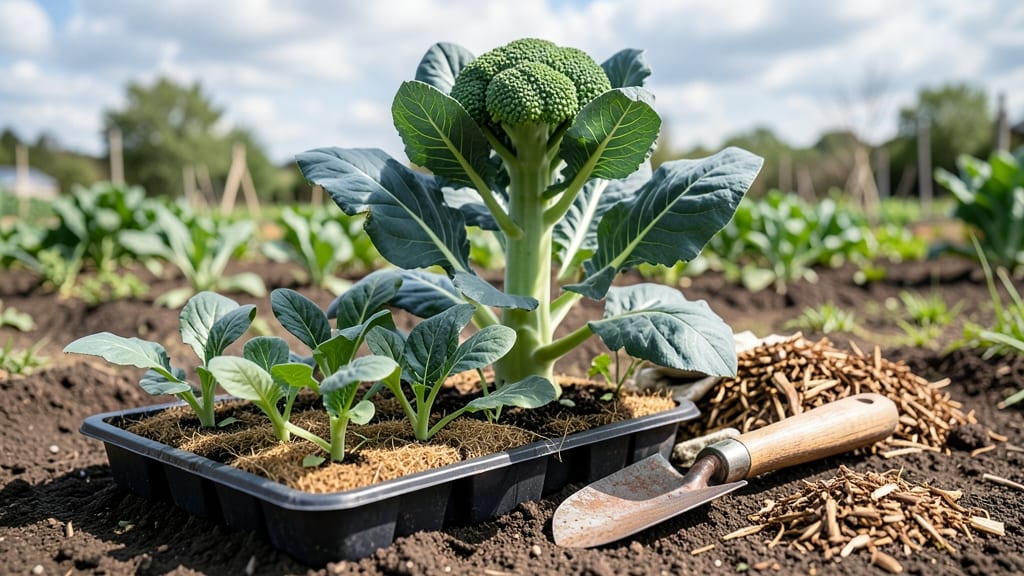
Timing is everything when it comes to growing 🥦 broccoli in Zone 7b—plant too early, and you risk frost damage; too late, and your heads might bolt before you even get a harvest.
The key to zero-frost success lies in knowing the perfect windows for your spring and fall crops, so you can enjoy those crisp, flavorful florets all season long.
If you've ever struggled with bolting or poor yields, you're not alone. Many gardeners in Zone 7b make the same mistake: waiting too long to plant in spring or rushing fall crops when the heat lingers.
But with the right strategy, you can extend your harvest and avoid common pitfalls. Let me show you exactly when to put those seeds in the ground for the best results.
We'll cover the ideal planting dates for both spring and fall, including how to adjust for microclimates in your area. You'll also learn how to prep your soil, space your plants, and care for them post-planting to ensure healthy growth.
By the end, you'll have a clear roadmap to growing broccoli that's both abundant and delicious.
Ready to transform your garden? Whether you're a beginner or a seasoned gardener, these tips will help you maximize your yield and enjoy fresh broccoli straight from your plot. Let's get started!
Best planting windows for broccoli in Zone 7b (fall & spring)
Zone 7b gardeners have two ideal windows to grow broccoli: early spring and early fall. Timing is everything—plant too early, and frost will strike; too late, and summer heat triggers bolting. Let’s break down the perfect schedule for head-sized harvests with minimal stress.
Spring planting in Zone 7b starts 4-6 weeks before your last frost date (typically mid-March to early April). This gives seedlings time to establish roots before soil warms.
Fall planting, meanwhile, begins 3 months before your first frost (usually late August to early September), ensuring mature heads form before cold sets in.
Here’s why timing matters: Broccoli thrives in cool (50–75°F) temperatures. Plant too early, and seedlings may rot in cold soil. Too late, and summer’s 80°F+ heat causes bitter, loose heads. Zone 7b’s 200 frost-free days split neatly into two growing seasons—use them wisely!
| Season | Planting Window | Key Considerations | Harvest Window |
|---|---|---|---|
| Spring | Mid-March to early April | Avoid late frost. Use row covers if nights dip below 32°F. | June to July |
| Fall | Late August to early September | Plant 3 months before frost. Choose fast-maturing varieties (e.g., 'Waltham 29') for fall. | October to November |
| Extended Fall (Risky) | Late September (with row covers) | Only for cold-hardy varieties. Monitor soil temps—below 40°F stunts growth. | December (small heads) |
For spring plantings, aim for 60–70 days to harvest. Start seeds indoors 6–8 weeks before transplanting (around February) or buy 6-inch seedlings from nurseries in early March. Harden off seedlings for 5–7 days before moving them outdoors to avoid transplant shock.
Fall broccoli benefits from warmer soil but cooler air. Direct-sow seeds 1/2 inch deep, 18–24 inches apart, in well-draining soil. If your zone experiences unpredictable early frosts, opt for fast varieties like 'De Cicco' (ready in 50 days) to beat the cold.
Pro tip: Use a soil thermometer to confirm temps are above 40°F before planting. Cold soil slows germination, leading to patchy stands. Amend beds with compost or aged manure to improve fertility—broccoli is a heavy feeder!
Zone 7b’s humidity can also play a role. If summer heat lingers into June, shade cloth (30–50%) protects young plants from bolting. For fall crops, prioritize dwarf varieties like 'Calabrese' to avoid flopping in heavy rain.
Remember: Broccoli’s flavor peaks in cool weather. Rush the season, and you’ll sacrifice taste for quantity. With the right timing, you’ll enjoy crisp, sweet heads from both spring and fall plantings—no bitter aftertaste in sight!
Best planting windows for broccoli in Zone 7b (fall & spring)
Zone 7b gardeners have two prime opportunities to grow 🥦 broccoli: early spring and early fall. The difference between success and failure often comes down to timing—plant too early, and frost will nip your seedlings.
Plant too late, and summer heat will trigger bolting before you harvest. Let’s break down the exact windows to aim for in your region.
For spring planting, your best bet is mid-March to early April, about 4-6 weeks before your last expected frost date (typically around April 15 in Zone 7b). This gives seedlings time to establish roots before warmer weather arrives.
If you’re using transplants, you can push it slightly later—late March to mid-April—since they mature faster than seeds.
| Season | Ideal Planting Window | Key Considerations |
|---|---|---|
| Spring | Mid-March to Early April | Avoid frost; soil temps should be 40°F+ for germination. |
| Fall | Mid-August to Early September | Plant 3 months before first frost (Nov 15) for mature heads. |
Fall is your second chance for a bountiful harvest. Aim to plant mid-August to early September, ensuring your broccoli matures before the first frost (around November 15 in Zone 7b). This timing allows heads to form in the cooler fall weather, avoiding the stress of summer heat.
Pro tip: If you’re in a microclimate with warmer fall nights, opt for heat-tolerant varieties like ‘Waltham 29’ or ‘De Cicco’ to delay bolting.
Why does timing matter so much? Broccoli is a cool-season crop that bolts (goes to seed) when exposed to consistent temperatures above 80°F or long daylight hours.
By planting in these windows, you’re giving your broccoli the perfect balance of cool days and moderate nights—ideal conditions for head formation. Plus, cooler weather enhances flavor, making your harvest even more rewarding.
One more tip: If your spring planting window feels too tight due to late frosts, consider using row covers to protect young seedlings. For fall, mulch heavily to insulate roots as temperatures drop. These small adjustments can mean the difference between a thriving crop and a failed one.
Now that you’ve got your planting windows locked in, the next step is ensuring your soil and care routine support those perfect growing conditions. Let’s dive into how to extend your harvest with successive planting strategies—because why stop at one crop when you can have two?