
Trees
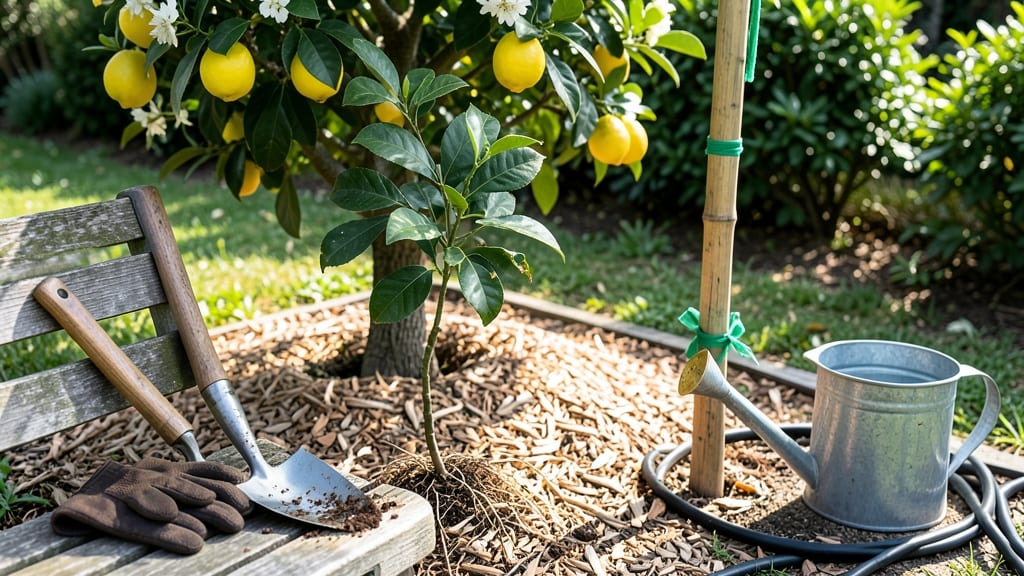
Planting citrus trees in Central Florida at the wrong time could mean the difference between a thriving 🍊 orchard and struggling saplings. With no frost to worry about year-round, you might think timing doesn’t matter—but soil temperature and seasonal energy shifts play a surprisingly big role in root development.
Most gardeners here know the 9a-10a zone is perfect for citrus, but even in this frost-free paradise, fall planting (September-October) gives young trees the best chance to establish strong roots before summer’s intense heat.
The key? Warm soil (60°F+) and avoiding the dog days of July when roots can get stressed.
I’ve seen firsthand how a well-timed planting leads to faster fruit production—sometimes even the first year.
Whether you’re starting with a dwarf variety or a full-sized tree, this guide will show you exactly when to dig, how to prep your soil, and what to watch for in Central Florida’s unique microclimates.
Ready to grow citrus that thrives from the get-go? Let’s break down the month-by-month strategy that’s worked for local growers—and how you can apply it to your backyard or homestead.
Central Florida’s ideal citrus planting window: frost-free dates and soil temperature guide
Central Florida’s frost-free climate (USDA Zones 9a-10a) makes it perfect for citrus trees, but timing matters more than you might think. The ideal planting window spans February through April and September through October, aligning with soil warmth and natural growth cycles.
Unlike northern climates, you won’t face frost threats, but soil temperature below 60°F can stunt root development.
Your citrus trees thrive when planted during warm soil conditions—aim for 60°F+ soil temperature at a 4-inch depth. In Central Florida, this typically occurs in late winter (February-March) and early fall (September-October).
Planting outside these windows can lead to heat stress in summer or slow growth in cooler months.
While Central Florida rarely sees frost, microclimates matter. Areas near lakes or coastlines stay warmer longer, while inland regions may experience cooler nights in winter. Always check your local frost-free dates—even if rare, unexpected cold snaps can damage young trees.
Citrus trees establish roots best when planted in well-draining soil with full sun exposure. The root zone needs to warm up before planting, which is why fall planting (September-October) often yields stronger trees than summer attempts. Avoid planting during peak summer heat (June-August), as high temperatures can shock roots.
Here’s the critical planting timeline for Central Florida:
| Planting Window | Soil Temp Requirement | Climate Benefit | Microclimate Tip |
|---|---|---|---|
| Late Winter (Feb-Mar) | 60°F+ at 4" depth | Warm soil + cooler air = ideal root growth | Inland areas may need frost cloth for young trees |
| Early Fall (Sep-Oct) | 65°F+ at 4" depth | Soil stays warm longer; avoids summer heat stress | Coastal zones benefit from ocean breezes |
| Avoid Summer (Jun-Aug) | N/A (too hot) | High temps cause transplant shock | Wait until soil cools in late summer |
For dwarf citrus varieties (like Calamondin or Meyer lemon), you can plant year-round, but spring and fall still offer the best results. These smaller trees adapt faster to container growing, making them ideal for patios or balconies where microclimates can be controlled.
If you’re planting standard-sized citrus trees (like Valencia oranges or Grapefruit), prioritize September-October for the strongest start. These trees need 1-2 years to establish before bearing fruit, so early planting pays off with earlier harvests.
Pro tip: Use a soil thermometer to check temperatures before planting. If soil is below 60°F, wait 1-2 weeks for warmer conditions. This small step prevents root rot and ensures your tree thrives from day one.
Remember, Central Florida’s humidity and heat can accelerate growth, but proper timing prevents common issues like yellowing leaves or fruit drop. With the right window, your citrus tree will reward you with vibrant blooms and juicy fruit for decades.
🌱
Step-by-step citrus planting timeline: month-by-month preparation for Central Florida growers
Now that you know the ideal planting windows, let’s break down a month-by-month action plan to ensure your citrus trees thrive in Central Florida’s unique climate. Starting in December, you’ll prep soil and materials, while September-October becomes your prime planting window for maximum root establishment.
Central Florida’s humidity and heat mean you’ll need to adjust your approach based on seasonal shifts. For example, summer planting (June-August) is risky due to heat stress, but with the right precautions, you can still succeed. Here’s how to navigate each month like a pro:
- December-January: Soil Prep – Test soil pH (ideal: 6.0-7.0) and amend with compost or aged manure. Mark planting spots with full sun exposure (6+ hours daily).
- February-March: Early Planting – Plant bare-root citrus trees or container-grown saplings. Water deeply (15-20 gallons) and mulch with 3-4 inches of wood chips to retain moisture.
- April-May: Post-Planting Care – Monitor for aphids or scale insects. Apply neem oil if needed. Reduce watering slightly as temperatures rise.
- June-August: Avoid Planting – High temps (90°F+) stress roots. Focus on deep watering (every 2-3 days) and shade cloth for young trees.
- September-October: Prime Planting – Best time for standard-sized trees. Soil stays warm (65°F+), and humidity is lower. Plant before hurricane season peaks.
- November: Winter Prep – Apply slow-release fertilizer (6-6-6) and prune dead branches. Protect young trees with frost cloth if temps dip below 40°F.
One of my biggest tips for Central Florida growers is to watch for microclimates. For example, Orlando’s inland areas may need extra frost protection in January, while coastal regions like Cocoa Beach stay warm year-round.
Use a local weather app to track nighttime lows—even in frost-free zones, sudden drops can damage young trees.
For container-grown citrus, like Meyer lemons or Calamondin oranges, you can plant year-round, but fall and spring still give the best results. These trees adapt well to patio pots, making them perfect for urban gardeners.
Just ensure pots have drainage holes and use well-draining potting mix to prevent root rot.
If you’re planting grafted citrus trees, like Sweet Orange on Swingle Citrumelo rootstock, pay extra attention to root zone protection. Graft unions are vulnerable to temperature fluctuations, so mulch heavily (4-6 inches) to maintain stable soil temps.
I’ve seen graft failures when gardeners skip this step—don’t let it happen to you!
Finally, remember that Central Florida’s summer heat can accelerate growth, but proper watering is critical. Deep watering (15-20 gallons) every 2-3 days in summer keeps roots hydrated without causing waterlogged soil. Use a moisture meter to check soil depth—aim for consistent moisture without soggy conditions.
With this month-by-month approach, your citrus trees will establish strong roots, resist pests, and bear fruit faster than expected. Whether you’re a first-time grower or a seasoned orchard keeper, timing is everything in Central Florida’s citrus paradise.
🌿