
Plants
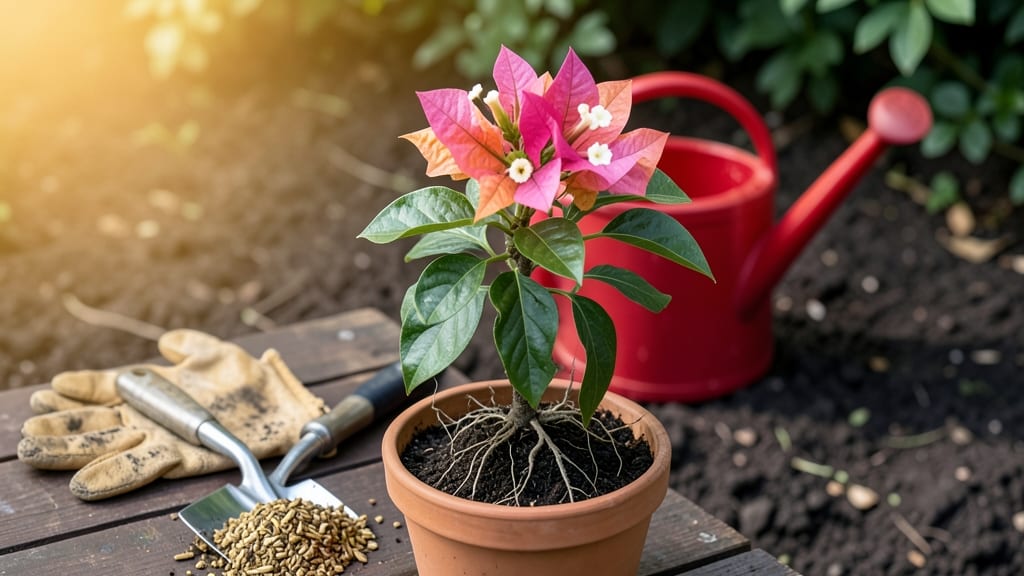
Arizona’s frost-free winters make planting bougainvillea 🌸 a year-round possibility—but timing still matters. Skip the scorching summer months, and you’ll give your vibrant vines the best shot at thriving roots and nonstop blooms.
If you’ve ever watched bougainvillea struggle in the desert heat, you know the stakes: plant too early, and transplant shock hits hard; too late, and the summer sun zaps moisture before roots establish.
The sweet spot? Late winter or early spring, when temperatures are mild and rain is on the horizon.
I’ll break down exactly when to dig in—whether you’re in Phoenix’s 11a zone or Flagstaff’s cooler microclimate—plus how to prep soil and water like a pro. No more guesswork, just year-round color that’ll make your neighbors green with envy.
Ready to turn your yard into a bougainvillea paradise? Let’s get started with the perfect planting window for Arizona’s heat zones.
Arizona’s best bougainvillea planting windows by heat zone
Arizona’s USDA zones 7-11 create a unique challenge for bougainvillea growers—too early, and cool winter nights stress young plants; too late, and scorching summer heat causes transplant shock.
The ideal planting window shifts depending on your elevation and microclimate, but most experts agree: December through February offers the safest start for vibrant, long-lasting blooms.
In Phoenix and Tucson (zones 9b-11), where winters are mild, you can even plant as late as early March—just be ready to provide extra shade cloth during the hottest afternoons.
Meanwhile, Flagstaff gardeners (zone 7a) should stick to late winter planting to avoid unpredictable spring frosts that can damage tender new growth.
Here’s the key: Plant when daytime temps stay above 60°F but nighttime dips don’t drop below 50°F. This balance gives bougainvillea’s roots time to establish before the monsoon season’s intense humidity or summer’s brutal sun kicks in.
Timing matters because bougainvillea is a heat-loving tropical that thrives on consistent warmth. If planted too late, it may struggle to root before the heatwave, leading to leaf scorch or even death. Conversely, planting too early in cooler months can stunt growth until spring.
For container gardening, the rules relax slightly—you can plant year-round in frost-free zones—but even then, December-February remains ideal for outdoor pots to avoid heat stress during Arizona’s 110°F+ summers.
🌱
| Arizona Heat Zone | USDA Zone | Best Planting Window | Why This Timing? |
|---|---|---|---|
| Phoenix/Tucson | 9b-11 | December–March | Mild winters; roots establish before summer heat |
| Prescott/Sedona | 7b-8a | February–March | Avoids late frosts; warmer soil speeds root growth |
| Flagstaff | 7a | Late March–April | Waits for soil to warm above 60°F |
| Yuma | 10a | November–January | Cooler winters; prevents heat stress |
Once you’ve locked in your planting window, focus on pre-monsoon preparation. Bougainvillea blooms best when planted 4-6 weeks before the monsoon rains—this gives roots time to anchor deeply before the heavy downpours of July and August.
In higher elevations, aim for late February to early March to align with the spring warming trend.
If you’re in a desert lowland (like Yuma), consider fall planting (November) to take advantage of cooler temps and shorter days, which can reduce transplant shock. However, avoid planting in September or October—the triple-digit heat and low humidity make it nearly impossible for roots to establish.
For container-grown bougainvillea, the rules are more flexible, but timing still matters. Plant in containers during the same windows as in-ground planting, but be prepared to move pots to shaded areas during 100°F+ heatwaves.
Containers dry out 3x faster than garden soil, so deep watering every 5-7 days is critical in summer.
🌺
Arizona’s best bougainvillea planting windows by heat zone
Arizona’s USDA zones 7-11 create wildly different conditions for bougainvillea 🌸—from Phoenix’s 11a (hot desert) to Flagstaff’s 7a (cooler highlands). The key? Plant when daytime temps stay below 85°F and monsoon rains are 3-4 weeks away for root establishment.
In Phoenix (Zone 11a), aim for December-February when nights dip to 40-50°Fg—ideal for root growth before summer heat. Meanwhile, Flagstaff (Zone 7a) gardeners can plant as late as March-April, thanks to cooler springs and shorter growing seasons.
Here’s the breakdown by zone to avoid transplant shock and maximize blooms:
Pro tip: In Zone 11a, plant after Christmas lights come down—this signals the coolest temps of the year and minimal transplant stress. For higher elevations (Zones 7-9), wait until after last frost risk (typically mid-March).
Timing isn’t just about months—it’s about soil temps. Bougainvillea roots thrive when soil stays above 60°F. Use a soil thermometer to confirm readiness, especially in Flagstaff or Prescott where nights can still dip.
Once planted, mulch heavily (3-4 inches) with gravel or bark to retain moisture and protect roots from summer’s brutal heat. This single step can mean the difference between year-round blooms and a sad, wilted vine by July.