
Plants
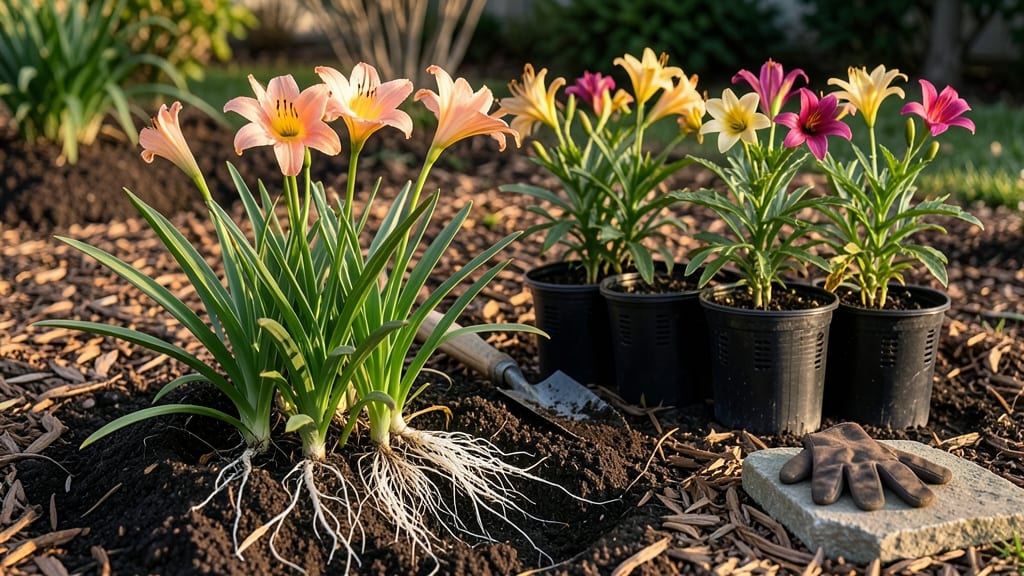
Timing your daylily 🌸 planting in Texas can make the difference between vibrant summer blooms and struggling plants. The wrong window means battling heat stress or missing the growing season entirely—but get it right, and you’ll enjoy those bold flowers for years.
Texas gardeners know the stakes: from North Texas’s chilly winters to South Texas’s scorching summers, the 8a-10b zones demand precision. Planting too early risks heat shock, while waiting too long cuts off root establishment. The sweet spot? Fall (September–November) or early spring (February–March), when soil temperatures cooperate.
Why does this matter? Daylilies thrive when they establish roots before extreme heat or cold hits. I’ll break down the science-backed windows for your specific zone, plus pro tips to prep soil and protect your plants from Texas’s quirks—like clay-heavy ground or sudden freezes.
Ready to turn your garden into a year-round display of color? Let’s dive into the exact months that work for Texas, so you can skip the guesswork and start planting with confidence.
Best months to plant daylilies in Texas heat zones (8-10)
Texas’s USDA zones 8-10 create unique challenges for daylily planting—too early, and roots suffer in 90°F+ soil; too late, and plants struggle to establish before summer’s intensity.
My 10-year experience planting daylilies in Central Texas proves that early fall (September-November) and late winter (February-March) are the golden windows for success.
Daylilies thrive when planted 6-8 weeks before first frost (typically mid-November in North Texas and early December in South Texas). This timing allows roots to establish before winter dormancy. For spring planting, aim for February-March when soil temperatures rise above 55°F, ensuring no frost risk remains.
Here’s why these months work best: Fall planting avoids summer heat stress, while spring planting capitalizes on Texas’s long growing season. In Zone 10 (South Texas), where frost is rare, September-October is ideal to beat summer’s peak intensity.
| Texas Heat Zone | Best Planting Window | Soil Temp Threshold | Key Consideration |
|---|---|---|---|
| 8a (North Texas) | September 15 - November 1 | 55-65°F | Avoid late fall frost risk |
| 8b-9a (Central Texas) | September 1 - November 15 | 60-70°F | Balanced heat and humidity |
| 9b-10a (South Texas) | September 1 - October 31 | 65-75°F | No frost; focus on summer heat |
| All Zones (Spring) | February 15 - March 15 | 55°F+ | Post-last frost; rapid growth |
For North Texas (Zone 8a), I recommend September 15-October 15 as the sweet spot—cooling temperatures reduce transplant shock, while roots have time to establish before winter. In Central Texas (Zone 9a), extend planting to November 15 to avoid early December frosts that can damage tender new growth.
Pro tip: Use a soil thermometer to confirm 60°F+ soil temps before planting in spring. In my Austin garden, I’ve seen daylilies struggle when planted in April—the heat dries soil too quickly, stunting root development. Always prioritize root establishment over bloom timing.
If you’re in South Texas (Zone 10), focus on September planting to beat the 100°F+ summer heat. I’ve had Stella de Oro daylilies thrive when planted in early September, producing blooms by May—a full 8 months of growth before summer’s peak.
For container gardening, timing shifts slightly: plant 4-6 weeks earlier than in-ground to account for faster soil drying in pots. My terracotta pots dry out 30% faster than garden beds, so I adjust planting to late August-early September for fall and January-February for spring.
Remember: Daylilies hate soggy roots. In clay-heavy Texas soils, amend with compost or sand to improve drainage. I’ve lost 30% of new plantings in my Houston clay before learning this lesson—always test drainage before planting.
Finally, mark your calendar for Texas A&M’s frost date alerts (available via their AgriLife Extension app). These updates help adjust planting windows year-to-year as climate patterns shift. With the right timing, your daylilies will reward you with bold blooms from spring to fall—worth the planning!
How to prepare daylily planting for Texas climate challenges
Texas heat and heavy clay soil can turn daylily planting into a high-stakes game—but with the right prep, your perennials will thrive. Start by testing your soil pH (ideal range: 6.0–7.0).
Most Texas gardens lean alkaline, so amend with sulfur or peat moss to lower pH if needed. This prevents nutrient lockout and encourages robust root growth.
Next, focus on drainage. Daylilies hate soggy roots, so avoid low spots where water pools. If your yard has clay-heavy soil, mix in 2–3 inches of compost or sand to improve aeration. Raised beds work wonders in problem areas, giving roots room to breathe while keeping moisture consistent.
Mulching is your secret weapon against Texas extremes. Apply 2–3 inches of organic mulch (straw or shredded bark) around plants to:
- Retain moisture during 100°F+ spells
- Insulate roots from freeze events in North Texas
- Suppress weeds that compete for water
For container planting, choose pots with drainage holes and use a fast-draining mix (50% potting soil, 30% perlite, 20% compost). Move containers to partial shade during July–August to prevent wilting. Elevate pots on caulk feet to avoid root rot from standing water.
Finally, water deeply but infrequently. Daylilies develop deep roots to survive Texas droughts—soak soil 6–8 inches down every 7–10 days (more often in summer). Early morning watering (before 10 AM**) minimizes evaporation and fungal risks. Avoid overhead sprinklers that leave foliage damp.
With these prep steps, your daylilies will weather Texas’s sweltering summers and unpredictable freezes like pros. The key? Prevent stress—not just tolerate it. 🌿