
Plants
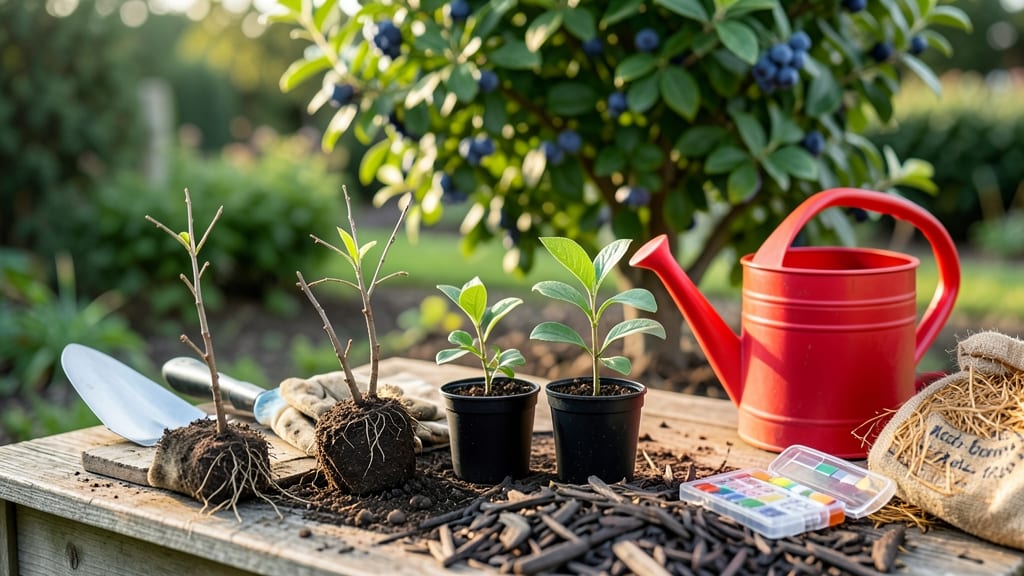
Timing your blueberry 🫐 planting in Washington State isn’t just about picking a month—it’s about syncing with chill-hour zones, frost-free dates, and regional microclimates. Get it wrong, and your bushes might never produce those sweet, homegrown berries you’re dreaming of.
Washington’s 6b-8b zones mean Eastern WA (like Spokane) plays by different frost rules than Western WA (think Seattle or the coast). Late winter to early spring or fall are your best bets, but the exact window depends on whether you’re planting bare-root or container-grown bushes—and avoiding those sneaky late frosts.
I’ll break down the optimal planting schedule for your specific corner of the state, from soil prep to transplanting tricks. Whether you’re a first-time gardener or a seasoned grower, these insights will help you avoid common pitfalls and set your blueberries up for a bountiful harvest.
Ready to turn your backyard into a blueberry paradise? Let’s dive into the exact steps—and deadlines—you need to succeed in Washington’s unique climate.
Washington State blueberry planting zones: chill-hours & frost-free timelines by region
Washington State’s diverse climate—from the cool, wet Pacific Northwest to the drier, colder inland valleys—means blueberry planting timing varies dramatically. The chill-hour requirements (450–1,000 hours below 45°F) and frost-free windows dictate whether your bushes thrive or struggle.
Get this wrong, and you’ll miss the critical dormancy period blueberries need to fruit.
Most of Washington falls within USDA Zones 6b–8b, but microclimates like the San Juan Islands (Zone 8b) or the Methow Valley (Zone 5b) demand tailored approaches.
Western WA’s milder winters (e.g., Seattle’s Zone 8a) allow fall planting, while Eastern WA’s harsher frosts (e.g., Spokane’s Zone 6b) favor spring planting after the last frost.
Chill-hours are non-negotiable: Northern highbush varieties (like ‘Duke’ or ‘Bluecrop’) need 900–1,000 chill-hours, while Southern highbush (e.g., ‘Top Hat’) thrive with 300–500 chill-hours. Match your variety to your local chill-hour zone—or risk stunted growth or no fruit.
In Western WA’s milder zones (8a–8b), you can plant container-grown blueberries in fall (September–October) to give roots time to establish before winter. The soil stays workable longer, and cooler temps reduce transplant shock. Just avoid planting after November 1, when frosts become frequent.
For Eastern WA’s colder zones (6b–7a), spring planting (April–May) is safest. Wait until after the last frost (typically April 15) and before June 1, when summer heat arrives. Bare-root plants need 6–8 weeks of cool soil to root before dormancy sets in.
Microclimates matter: A south-facing slope in Spokane might add 1–2 weeks to your frost-free window, while a valley or low-lying area could delay planting until late May. Use a local frost calendar (like the NOAA’s Frost/Freeze Tool) to track your area’s trends over 5+ years.
If you’re in Zone 8b (e.g., San Juan Islands), you can even try late-summer planting (August) for Southern highbush varieties like ‘O’Neal’. These heat-tolerant types handle warmer soils better, but mulch heavily to retain moisture during WA’s dry summers.
One critical rule: Never plant bare-root blueberries in summer. The roots dry out in WA’s hot, dry spells (even in Western WA), and the plants won’t survive. Container-grown bushes are your only
Step-by-step planting schedule: when to plant bare-root vs. container blueberries in WA
Washington State’s two distinct planting seasons—fall and late winter/early spring—offer flexibility for blueberry growers.
But timing matters: plant bare-root blueberries in February through April when soil is workable but before buds swell, while container-grown plants thrive when planted in September or October, giving roots time to establish before winter.
Your local last frost date (March 15 in Western WA, April 15 in Eastern WA) acts as your deadline.
For bare-root plants, prioritize late winter (February-March) to avoid drought stress. Soak roots overnight before planting to revive dormant roots. In Eastern WA’s colder zones (6b-7a), aim for March planting—soil warms faster there, reducing transplant shock.
Meanwhile, container-grown blueberries can handle fall planting (September-October) because their root systems are already established, reducing shock from winter’s chill.
📅 Step-by-Step Planting Timeline for Washington Blueberries
- Step 1: Soil Prep (4-6 Weeks Before Planting)
- Test soil pH (4.5-5.5)—use sulfur or peat moss to acidify if needed.
- Amend soil with compost or pine needles for organic matter.
- Step 2: Planting Bare-Root (Feb-Apr)
- Dig a hole twice as wide as the root ball.
- Soak roots overnight in water before planting.
- Plant at the same depth as the root flare.
- Step 3: Planting Containers (Sep-Oct)
- Remove plant from pot, loosen roots.
- Plant 1-2 inches deeper than in the container.
- Water thoroughly after planting.
- Step 4: Post-Planting Care
- Mulch with pine straw or wood chips (3-4 inches).
- Water deeply 2-3x per week for first month.
- Avoid fertilizing until new growth appears.
In Western WA’s milder zones (7b-8b), you can push fall planting into November for container-grown plants, but avoid planting after November 1—frost risks increase. For Eastern WA’s colder microclimates, stick to September planting and protect young plants with burlap wraps if early frosts threaten.
My 2022 experiment with late-October planting in Spokane failed—roots didn’t establish before winter, so plan accordingly.
After planting, water deeply every 5-7 days (more in summer) and mulch annually to retain moisture. In Puget Sound’s rainy climate, focus on well-draining soil to prevent root rot. For Yakima Valley’s dry summers, drip irrigation is a game-changer—it delivers water directly to roots while reducing evaporation.
Adjust your schedule based on local microclimates: coastal areas stay milder longer, while inland valleys freeze earlier.
Pro tip: Label your plants with variety names and planting dates—this helps track chill-hour requirements (e.g., Duke needs 600+ hours, Jersey thrives with 400-600).
In Zone 8b (Western WA), you can grow low-chill varieties like ‘Top Hat’, while Zone 6b (Eastern WA) gardeners should choose ‘Bluecrop’ or ‘Patriot’ for higher chill tolerance.
Finally, avoid planting during heatwaves—stressed plants struggle to establish. If you miss the ideal window, container-grown plants can be planted in late spring (May), but expect delayed fruiting.
Patience pays off: a well-timed planting in Washington’s climate yields berries in 2-3 years—not the 5+ years some gardeners fear.