
Plants
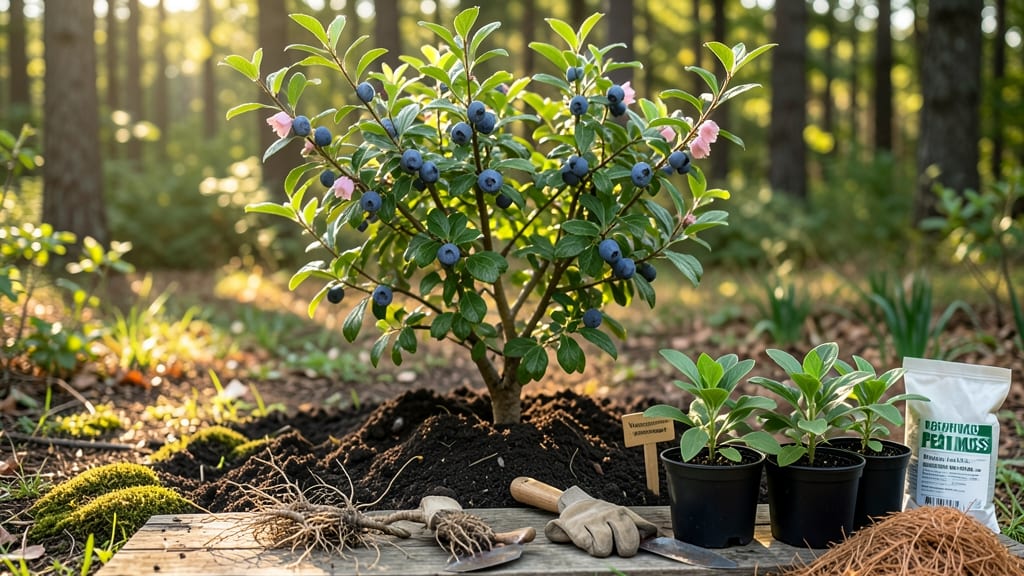
Timing your Blueberry Bush 🫐 planting in Georgia could mean the difference between a thriving harvest and a sad little shrub struggling to survive.
The wrong window could leave your bushes vulnerable to frost damage or stunted growth, while the right moment sets them up for explosive growth and sweet berries.
Georgia’s 7a-8b climate zones give you flexibility—unlike northern states—but that doesn’t mean you can plant anytime. The key lies in soil temperature and frost-free deadlines, which vary by county.
Whether you're in Atlanta’s urban heat or Savannah’s coastal warmth, understanding these factors ensures your bushes take root when conditions are perfect.
I’ll break down exactly when to plant in your area, whether you prefer late fall’s cooler roots or spring’s longer growing season. You’ll also learn how to test soil warmth and prepare your site for maximum success—because even the hardiest Blueberry Bush 🫐 needs the right start.
Ready to turn your Georgia garden into a blueberry bonanza? Let’s get your planting schedule locked in for bigger bushes and sweeter harvests—no guesswork, just results.
Georgia blueberry planting deadlines by county: frost-free zones & safe planting windows
Georgia’s diverse climate zones mean your blueberry planting window varies dramatically from coastal Savannah to the mountainous north. Understanding your last frost date and USDA hardiness zone (7a-8b) is critical—plant too early, and frost will kill tender roots; too late, and your bushes won’t establish before summer heat.
Let’s break down the exact county-by-county deadlines so you can plant with confidence.
For northern Georgia counties like Fannin, Gilmer, and Dawson (zones 6b-7a), your last average frost date falls between March 15–April 1. This means your safe planting window extends from mid-February through early April, with fall planting possible until November 15 before winter dormancy sets in.
In contrast, southern counties like Camden, Chatham, and Liberty (zones 8a-8b) enjoy frost-free winters, allowing year-round planting—though late fall (October–November) is ideal for root establishment.
Central Georgia—think Fayette, Spalding, and Henry counties—falls in zone 7b-8a, with last frost dates between March 22–April 5. Here, your primary planting window is February 15–April 15, but fall planting can continue until November 1.
Always check your local NOAA frost data or UGA Extension Service maps for precise dates, as microclimates (like urban heat islands) can shift deadlines by 1–2 weeks.
🌱Pro Tip: Use the 50°F soil temperature rule as your minimum threshold for planting. In Georgia, this typically aligns with late February–early March in most regions, but cooler mountain areas may need to wait until April.
Test soil warmth with a soil thermometer (insert 4–6 inches deep) to avoid guessing.
| Region | USDA Zone | Last Frost Date | Safe Planting Window | Fall Planting Deadline |
|---|---|---|---|---|
| Northern GA (Fannin, Gilmer, Dawson) | 6b–7a | March 15–April 1 | Feb 15–Apr 15 | Nov 1–15 |
| Central GA (Fayette, Spalding, Henry) | 7b–8a | March 22–April 5 | Feb 15–Apr 15 | Oct 15–Nov 1 |
| Southern GA (Camden, Chatham, Liberty) | 8a–8b | Jan 15–Feb 15 | Year-round (avoid extreme heat) | Dec 1–Jan 31 |
| Atlanta Metro (Fulton, DeKalb, Cobb) | 7b–8a | March 1–March 15 | Feb 1–Apr 10 | Oct 30–Nov 10 |
| Savannah/Coastal (Chatham, Bryan, Effingham) | 8a–8b | Jan 1–Jan 15 | Year-round (avoid Dec–Feb) | Nov 15–Dec 31 |
📋 Source: NOAA Climate Data & UGA Extension Service (2023)
Optimal soil temperature for planting blueberry bushes in Georgia’s climate
Blueberry bushes thrive when planted in soil that’s warm enough to encourage root growth but not so hot it stresses young roots. In Georgia, the ideal soil temperature range for planting is between 45°F and 65°F. This window ensures roots establish quickly without risking heat shock or dormancy.
Why does this range matter? Below 45°F, roots grow slowly, delaying establishment. Above 65°F, especially in Georgia’s spring heat, young roots can dry out or overheat.
Testing your soil’s warmth is easier than you think—just use a simple soil thermometer or check moisture levels: cooler soil holds moisture longer.
Georgia’s climate varies wildly by region. In Atlanta’s Zone 7b, spring soil warms to 65°F by early April, while Savannah’s Zone 8a hits that mark by late March.
Meanwhile, Blue Ridge Mountains (Zone 7a) may linger below 50°F until May. Understanding these regional differences helps you avoid planting too early or too late.
🌱 Soil Temperature Comparison for Georgia Regions
| Region | Ideal Planting Temp | Typical Spring Window | Key Risk |
|---|---|---|---|
| North Georgia (Zone 7a) | 45°F–55°F | Late April–May | Late frosts |
| Central Georgia (Zone 7b) | 50°F–60°F | Early April | Heat spikes |
| South Georgia (Zone 8a) | 55°F–65°F | Late March–April | Humidity stress |
To test soil temperature, insert a thermometer 4–6 inches deep (where roots will grow) and wait 10 minutes for an accurate reading. If your soil is too cold, wait a week and retest—patience prevents root shock.
For container planting, soil warms faster, so aim for 55°F+ to avoid overheating roots.
Another trick? Monitor nearby perennial flowers like daylilies—they signal soil warmth. When their leaves unfurl, it’s often safe to plant blueberries. Pair this with checking the Georgia Weather Network for 10-day forecasts to avoid planting before a cold snap.
Remember, fall planting (October–November) often works better than spring in Georgia because soil stays cooler, reducing transplant shock. But if you’re planting in spring, aim for March–early April in most regions, adjusting for your county’s frost dates.
With the right soil temp, your blueberries will root deeply and reward you with years of harvests.