
Plants
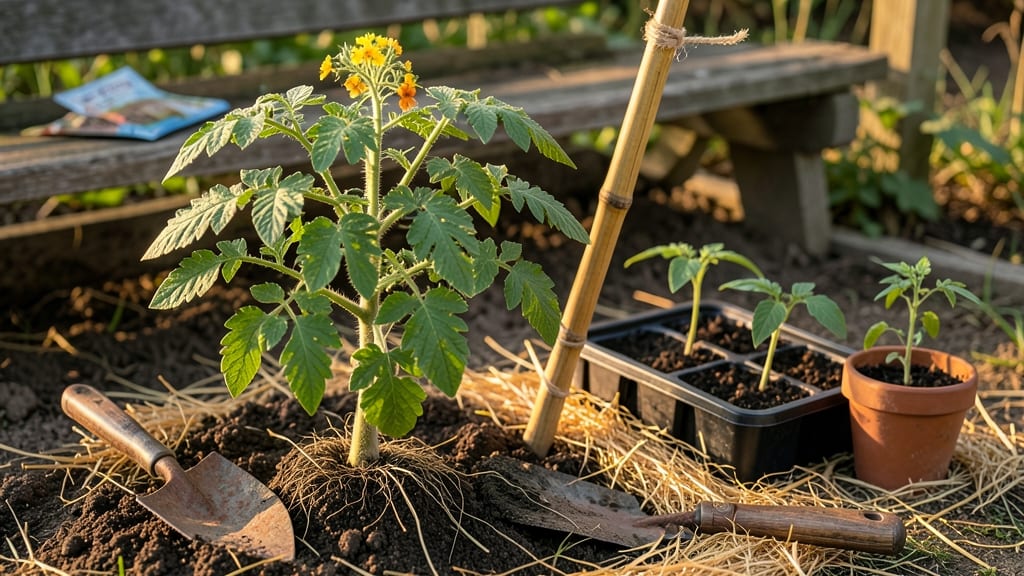
Timing when do you plant tomatoes in Washington State isn’t one-size-fits-all—get it wrong, and frost or scorching heat could ruin your harvest before it even starts. Whether you're in the milder Puget Sound or the hotter Columbia Basin, knowing the exact window to plant makes all the difference.
Western WA gardeners can start as early as mid-April, while Eastern WA’s cooler nights often push planting back until late May. But here’s the twist: elevation and microclimates shift these dates even further.
A backyard in Spokane might need a 2-week delay compared to Seattle, and mountain regions like the Cascades could require row covers or cold frames to extend the season.
I’ll break down the optimal planting dates by region, including soil temperature tips and how to adjust for your specific microclimate. Plus, you’ll learn how to maximize your harvest with simple tricks like black plastic mulch or early starts indoors.
Ready to grow juicy, homegrown tomatoes all season long? Let’s dig into the exact timing and techniques that work for Washington’s diverse growing zones.
Washington State tomato planting dates by climate Zone (with last frost guides)
Washington State’s three distinct climate zones—Western WA’s coastal maritime, Eastern WA’s inland desert, and the mountainous Cascades—create wildly different tomato planting windows.
In Seattle (Zone 8a), you can plant as early as late March for heat-loving varieties, while Spokane (Zone 6a) gardeners must wait until mid-May to avoid frost. Let’s break down the exact dates by region, including last frost averages and microclimate tweaks.
For Western Washington—think Puget Sound, Olympic Peninsula, and Whidbey Island—the last frost date typically falls between April 15 and May 1.
This means seedlings can go into the ground by April 20 in most areas, but cooler microclimates (like San Juan Islands) may need to wait until mid-May. Direct sowing can start 2–3 weeks later to account for slower germination in chilly soils.
Eastern Washington, including the Columbia Basin, Palouse, and Yakima Valley, has a shorter growing season and earlier frosts. Here, the last frost date ranges from May 1 (Wenatchee) to May 15 (Spokane), so transplant seedlings after May 10 to be safe. Direct sowing should wait until late May or early June, especially in higher elevations like Moses Lake.
Mountain regions—such as the Cascades, Methow Valley, and Okanogan—often experience late springs and early falls. The last frost date here can be as late as June 1, meaning planting shouldn’t start until June 15. These areas benefit from cold-hardy varieties like 'Mountain Merit' or 'Stupice', which tolerate cooler temps.
🌱
If you’re starting seeds indoors, begin 6–8 weeks before your last frost date. For Western WA, that means late January to early February, while Eastern WA gardeners should start seeds in March.
Use grow lights to provide 14+ hours of light daily until seedlings are 3–4 inches tall and have 2–3 true leaves.
For container gardening, plant 1–2 weeks later than in-ground dates since pots warm up more slowly.
Choose determinate varieties like 'Patio' or 'Tiny Tim' for smaller spaces, and ensure containers have drainage holes to prevent root rot. Black plastic mulch can warm soil by 5–10°F, speeding up germination in cooler zones.
Always monitor soil temperatures—tomatoes thrive when soil is at least 55°F (13°C). Use a so
How elevation and microclimates shift tomato planting times in WA (with adjustment rules)
Washington’s elevation changes can shift ideal tomato planting times by 2–3 weeks—even within the same city. For example, Seattle’s sea-level areas (Zone 8) may plant in early April, while nearby Lake Washington’s hills (Zone 7) wait until mid-April.
The rule: Add 1 week per 1,000 feet of elevation gain. This matters because cooler mountain air delays soil warming, while urban heat islands (like Spokane’s downtown) can let you plant 10–14 days earlier than rural areas.
Microclimates also play a huge role. Wind exposure (common in Eastern WA) dries soil faster, so plant 1–2 weeks later to avoid transplant shock. Meanwhile, south-facing slopes in the Cascade foothills can warm 2–3 weeks ahead of valley floors.
Even your soil type matters: Sandy soils in Yakima’s vineyards warm quickly, while clay-rich areas near Olympia stay cold longer. Test your soil’s temperature at 4 inches deep—it should hit 55°F (13°C) before planting.
Here’s how three iconic WA cities adjust their planting schedules based on local conditions:
| City | Elevation | USDA Zone | Last Frost | Planting Window | Microclimate Adjustment |
|---|---|---|---|---|---|
| Seattle | Sea level | 8a | April 15 | April 1–May 10 | Urban heat islands: plant 3–5 days earlier in paved areas |
| Spokane | 2,200 ft | 6b | May 1 | May 1–June 1 | Wind exposure: delay by 1 week in open fields |
| Wenatchee | 1,100 ft | 7a | April 25 | April 20–May 15 | South-facing slopes: plant 10 days earlier |
For container gardening in WA, elevation matters less—but pot size and location do. A 5-gallon pot on a balcony in Seattle (Zone 8) can plant 2 weeks earlier than in-ground soil, since containers warm faster. However, if your balcony faces north, delay planting by 1–2 weeks to match in-ground timing.
Always use black fabric pots or dark-colored containers to absorb heat. In Eastern WA’s Zone 6, opt for heat-loving varieties like ‘Solar Fire’ or ‘Heatmaster’ to compensate for shorter seasons.
Pro tip: Use a soil thermometer to avoid guesswork. If your garden sits in a frost pocket (common in WA’s valleys), plant heat-loving varieties like ‘Celebrity’ or ‘Better Boy’—they tolerate cooler soils better than heirlooms.
For high-elevation gardens above 3,000 feet (e.g., Leavenworth or Mazama), start seeds indoors 6–8 weeks early and use row covers to extend the season by 3–4 weeks. The key is matching your tomato variety to your microclimate’s heat accumulation, not just the calendar.
Remember: Eastern WA’s dry heat (like in Walla Walla) means tomatoes need more frequent watering to prevent blossom drop, while Western WA’s humidity (e.g., Bellingham) increases fungal risks.
Adjust your planting date and care routine based on your local conditions—your tomatoes will thank you with a bigger, healthier harvest.