
Plants
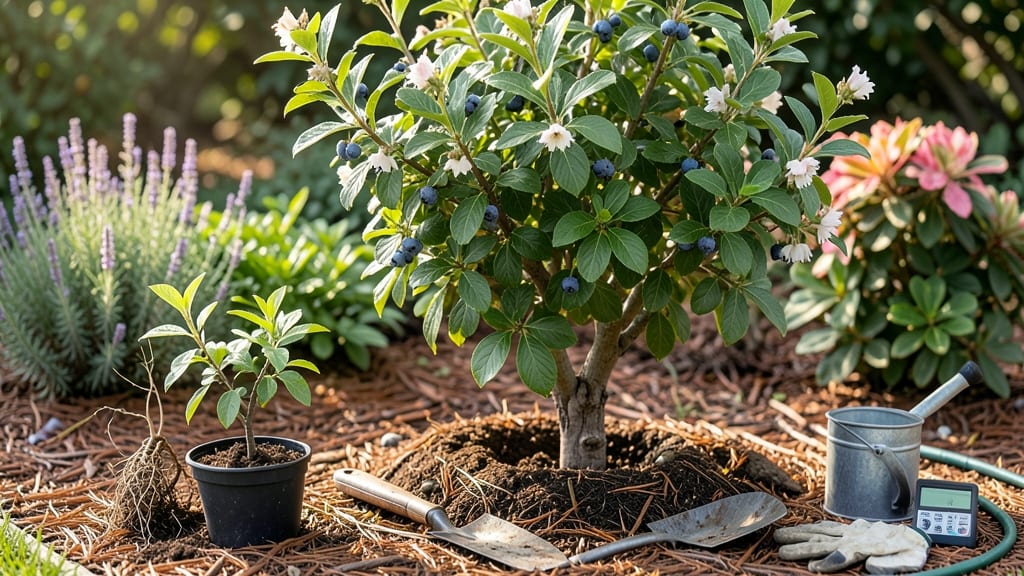
Timing your blueberry 🫐 planting in Maryland can make or break your harvest—especially when dealing with the state’s 6a-7b chill-hour zones. Plant too early, and frost might nip your young bushes; too late, and they won’t establish roots before summer heat sets in.
The sweet spot? Late fall to early spring, when soil temps are cool but not frozen—a window that aligns perfectly with Maryland’s frost-free season.
Most gardeners assume spring is the only option, but fall planting actually gives blueberries a head start. By October, the ground stays warm enough for roots to settle before winter dormancy kicks in.
And if you’re in coastal areas like Annapolis, you might even push planting into March, while inland spots like Frederick should aim for February to avoid late frosts.
Here’s the game-changer: matching your variety to Maryland’s climate. Highbush types like ‘Duke’ thrive in 6a zones with 500-700 chill hours, while ‘Bluecrop’ handles 7b’s 800+ hours like a champ.
We’ll break down the best varieties for your yard and how to prep soil—because Maryland’s clay-heavy dirt can be a blueberry’s worst enemy if you don’t acidify it first.
Ready to skip the guesswork? Stick with me, and you’ll learn exactly when to dig, how to protect your plants from Maryland’s mid-April frosts, and whether container growing is your best bet. Let’s get those bushes thriving so you can enjoy June-August harvests for years to come.
Maryland’s best planting months for blueberries by chill-hour zones
Maryland’s chill-hour zones (ranging from 500-1,000 hours) dictate the best time to plant blueberries, ensuring your bushes enter dormancy properly before winter.
Most of Maryland falls under USDA Zones 6a-7b, where fall planting (October-November) gives roots time to establish before frost, while early spring planting (March-April) works for container-grown plants. The key is avoiding extreme heat or frost—both can stress young blueberry bushes.
For highbush varieties (like Bluecrop or Duke), which thrive in Maryland’s climate, aim for late fall planting. These bushes need 800-1,000 chill hours, common in Maryland’s inland regions.
In contrast, rabbiteye varieties (e.g., Climax) require 500-700 chill hours and do better in coastal Maryland, where winters are milder. Half-high varieties (like Top Hat) bridge the gap with 600-800 chill hours.
Maryland’s soil challenges—often heavy clay with high pH—mean preparation is critical. Before planting, amend your soil with peat moss or sulfur to lower pH to 4.5-5.5. Test your soil in early fall to give yourself time to adjust.
If planting in spring, amend soil 8-12 weeks beforehand to allow microbes to break down organic matter. Neglecting this step can leave your blueberries stunted or prone to fungal diseases.
Here’s how Maryland’s regions break down for planting timing:
If you’re planting in containers, Maryland’s spring planting (March-April) works well because you can move pots to protect them from late frosts. Use acidic potting mix (pH 4.5-5.5) and ensure containers have drainage holes.
Containers also let you adjust microclimates—ideal for urban gardeners in Baltimore or Annapolis where space is limited.
One critical mistake Maryland gardeners make is planting too late in fall, leaving bushes vulnerable to winter desiccation. Aim to plant at least 6-8 weeks before first frost (typically mid-October).
For spring planting, wait until soil temperatures rise above 45°F to avoid root rot. Always water deeply after planting to encourage root growth into the amended soil.
Mulching is non-negotiable in Maryland’s hot summers. Apply 3-4 inches of pine bark mulch around your blueberry bushes to retain moisture and regulate soil temperature.
Replenish mulch annually in early spring before new growth begins. This simple step can double your yield by reducing stress during Maryland’s humid summers.
For bare-root plants, soak roots in water for 2-4 hours before planting to rehydrate them. If planting in clay-heavy soil, consider adding sand or compost to improve drainage.
Maryland’s heavy rainfall can waterlog roots if soil doesn’t drain properly, leading to root rot. Always plant on a slightly elevated mound to prevent water pooling.
Finally, pollination matters—especially in Maryland’s humid climate. Plant at least two compatible varieties (e.g., Bluecrop + Duke) to ensure cross-pollination. Bees struggle in rainy weather, so a second variety increases your chances of a full harvest. In coast
Maryland’s best planting months for blueberries by chill-hour zones
Maryland’s USDA zones 6a-7b offer two ideal windows for planting blueberries: late fall (October-November) and early spring (March-April). The best choice depends on your chill-hour requirements and local frost dates.
Northern Maryland (zones 6a) needs varieties with 800-1,000 chill hours, while southern regions (zones 7a-7b) thrive with 500-700 chill hours.
Fall planting gives roots time to establish before winter, while spring planting avoids frost damage. Maryland’s last average frost date varies—mid-April in the north and early April in the south. Planting too early risks frost kill, while waiting too long may stress young plants before summer heat arrives.
| Planting Window | Best For | Soil Prep | Maryland Notes |
|---|---|---|---|
| Late Fall (Oct-Nov) | High-chill varieties (800+ hrs) | Amend with peat moss, compost | Plant before first frost (mid-October) |
| Early Spring (Mar-Apr) | Low-chill varieties (500-700 hrs) | Test pH (4.5-5.5), add sulfur if needed | Wait until soil warms (above 40°F) |
Maryland’s clay-heavy soils often need amendment with organic matter like pine bark or compost to improve drainage. Blueberries hate soggy roots, so raised beds or mounded soil work well in areas with poor drainage.
Before planting, test your soil’s pH—Maryland’s native soils are often too alkaline, and blueberries require acidic soil (pH 4.5-5.5).
For bare-root plants, dig a hole twice as wide as the root ball but no deeper. Spread roots gently and backfill with amended soil, leaving the root crown slightly above ground level.
Water deeply to settle soil and eliminate air pockets. Mulch with pine needles or straw to retain moisture and acidify the soil over time.
If you’re planting container-grown blueberries, do it in spring to avoid winter stress. Containers dry out faster, so ensure they have drainage holes and use a well-draining, acidic potting mix.
Place containers where they’ll get at least 6 hours of sunlight daily, as Maryland’s summers can be intense.
Remember: Northern Maryland’s cooler climate suits late-season varieties like 'Duke,' while southern regions thrive with early producers like 'Jersey.' Always check the chill-hour requirements of your chosen variety to match Maryland’s microclimates.