
Plants
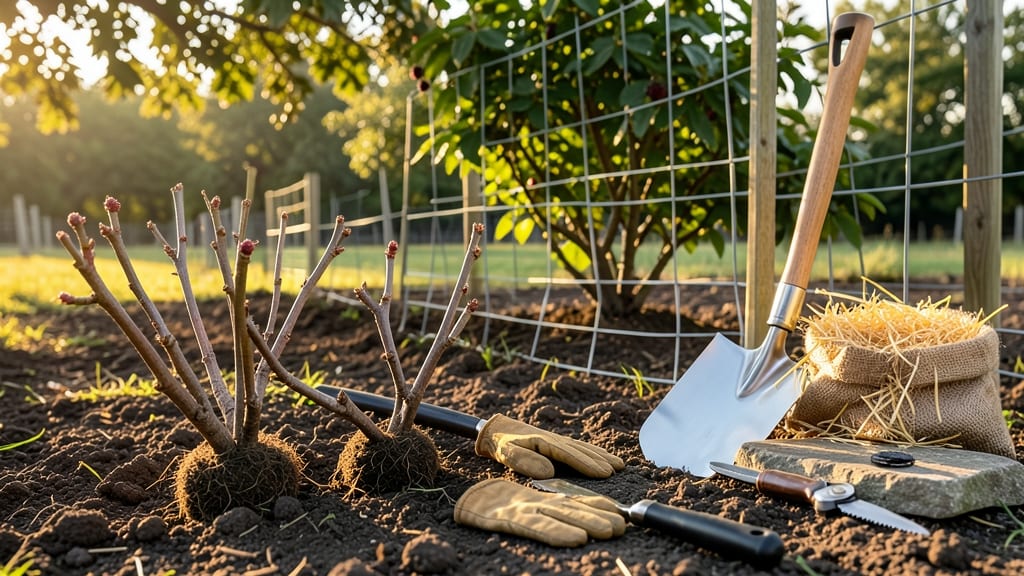
Timing your blackberry planting in Oklahoma isn't just about the calendar—it's about matching your variety to the region's chill hours and avoiding those late spring freezes that can wipe out tender new growth.
With USDA zones 6b-8a bringing unpredictable swings between 20°F and 90°F, getting it wrong means stunted canes or no fruit at all.
Most Oklahoma gardeners swear by fall planting (September-October) because cooler soils reduce transplant shock, but spring (February-March) works too—if you're planting low-chill varieties like 'Arapaho' that thrive with fewer than 500 chill hours.
The key is beating the last frost date (usually around March 15) while giving roots time to establish before summer heat arrives.
I've helped Oklahoma growers double their harvests simply by adjusting planting windows based on their specific blackberry type.
Whether you're working with bare-root plants or potted varieties, we'll break down exactly when to set those canes in well-drained soil—plus how to protect them from Oklahoma's notorious late frosts that catch so many off guard.
Ready to turn your blackberry patch into a juicy, productive powerhouse? Let's dive into the chill-hour matching system that's already working for top Oklahoma farms—and how you can apply it to your garden this season.
Best planting times for blackberries in Oklahoma by chill-hour requirements
Oklahoma’s USDA zones 6b-8a create unique challenges for blackberry growers. Unlike cooler climates, our mild winters and hot summers demand precise timing to match chill-hour needs with your chosen variety. Planting too early risks frost damage, while waiting too long delays root establishment before summer heat arrives.
Most blackberries need 300-1,000 chill hours (temperatures 32-45°F) to produce fruit. Oklahoma’s northern regions (like Tulsa) typically get 700-900 chill hours, while southern areas (like Oklahoma City) average 500-700 chill hours. This means high-chill varieties thrive north, while low-chill types work better south.
Here’s how to match your variety to Oklahoma’s climate for optimal planting windows:
| Variety Type | Chill Hours Needed | Best Planting Window | Oklahoma Regions | Key Tip |
|---|---|---|---|---|
| High-Chill (600-1,000 hrs) | 600-1,000 | Late February - Early March | Northern OK (USDA 6b-7a) | Plant bare-root canes when soil is workable but before buds swell. |
| Medium-Chill (400-600 hrs) | 400-600 | Mid-March - Early April | Central OK (USDA 7b) | Use potted plants for flexibility if late frosts occur. |
| Low-Chill (0-400 hrs) | 0-400 | September - October | Southern OK (USDA 7b-8a) | Fall planting avoids summer heat stress for everbearing varieties. |
For spring planting, aim to get canes in the ground 4-6 weeks before last frost (typically mid-March). This gives roots time to establish before summer heat arrives. In northern Oklahoma, where frosts linger, use row covers to protect new growth until mid-April.
Fall planting (September-October) is ideal for low-chill varieties like 'Arapaho' or 'Chester'. The cooler temperatures reduce transplant shock, and canes have 6-8 weeks to establish roots before winter dormancy. Just avoid planting when soil temps drop below 50°F, as roots won’t grow.
Oklahoma’s unpredictable spring weather can throw off planting schedules. I always check the Oklahoma Mesonet for 7-day soil temperature forecasts before planting. If nights dip below 32°F, delay until temperatures stabilize—frost-killed canes won’t recover.
Pro tip: Soak bare-root canes for 2-4 hours before planting to rehydrate roots. In Oklahoma’s dry soils, this step doubles survival rates. For potted plants, water thoroughly 1-2 days before transplanting to reduce shock.
🌱
Best planting times for blackberries in Oklahoma by chill-hour requirements
Oklahoma’s USDA zones 6b-8a create unique challenges for blackberry growers. The key to success lies in matching varieties to their chill-hour needs—the number of hours below 45°F required for proper dormancy and fruiting.
High-chill varieties (500-1,000 hours) thrive in northern Oklahoma, while low-chill types (300-500 hours) suit southern regions. Planting at the wrong time can lead to poor fruit set or winter dieback.
For northern Oklahoma (zones 6b-7a), aim to plant between late February and early March when soil temperatures reach 50°F. This timing ensures roots establish before summer heat arrives.
In southern Oklahoma (zones 7b-8a), extend planting to mid-March through April to avoid early spring warmth that can trigger premature growth and frost damage.
Fall planting (September-October) is another viable option, especially for bare-root plants. This allows roots to establish before winter while avoiding summer heat stress. However, avoid planting too early in fall—soil must have 4-6 weeks to settle before frost arrives. Always check your local last frost date (typically March 15 in most regions).
| Planting Window | Chill-Hour Range | Best Varieties | Soil Temp Requirement |
|---|---|---|---|
| Late February - Early March | 500-1,000 hours | Natchez, Arapaho, Ouachita | 50°F minimum |
| Mid-March - April | 300-500 hours | Chester, Triple Crown, Arapaho | 55°F minimum |
| September - October | All ranges | Any variety | 60°F minimum |
Timing isn’t just about months—it’s about soil conditions. Test your soil’s moisture and temperature before planting. Use a soil thermometer to confirm 50°F+ for spring or 60°F+ for fall.
If planting in containers, ensure pots have drainage holes and use a well-draining potting mix to prevent root rot during Oklahoma’s unpredictable spring rains.
Another critical factor is canes vs. potted plants. Bare-root canes should be planted as soon as possible after purchase, while potted plants can wait until soil warms. For potted plants, acclimate them to outdoor conditions for 7-10 days before transplanting to avoid shock.
Harden off plants by placing them in partial shade during the day and bringing them indoors at night.
Pro tip: If you’re in southern Oklahoma (zones 7b-8a), consider low-chill varieties like Chester or Triple Crown. These thrive with 300-500 chill hours and produce fruit reliably even in milder winters. For northern Oklahoma, Natchez or Arapaho are excellent choices with 700-1,000 chill hours for consistent yields.