
Plants
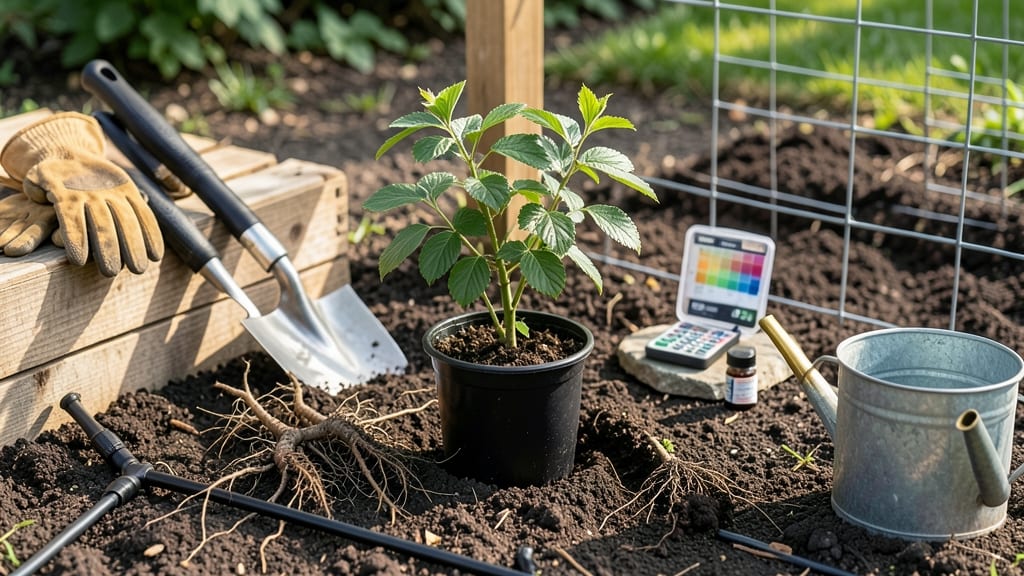
Timing your blackberry 🫐 planting in Arkansas can make or break your harvest—get it wrong, and frost or heat stress will sabotage your canes before they even take root.
The key isn't just picking a month, but understanding how Arkansas' 7a-8a climate dictates when soil warms enough for roots to establish while still giving young plants a fighting chance against late frosts.
Most gardeners swear by late winter to early spring planting, but there's a 3-week window that's truly ideal for Arkansas growers. Plant too early, and your canes might wake up from dormancy only to get nipped by March's lingering cold snaps.
Too late, and you risk stunted growth before summer's fruiting season even begins.
I'll show you exactly when to plant—whether you're working with bare-root canes or potted plants—and how to prep your soil so your blackberries thrive from day one. We'll cover Arkansas-specific tips like adjusting for humidity, avoiding common pests, and even where to find the best local nursery stock.
By the end, you'll know not just when to plant, but how to give your blackberries the best possible start for that sweet, juicy harvest you're dreaming of. Let's get those canes in the ground the right way.
Optimal planting months for Arkansas blackberries: climate zones and variety considerations
Arkansas's diverse climate—spanning USDA zones 6b to 8a—means blackberry planting windows vary by region. In the cooler northern zones (6b-7a), aim for late February to early March when soil temperatures hit 50°F+.
Southern Arkansas gardeners (zones 7b-8a) can plant as early as January or stretch into April for fall varieties.
For thornless varieties like 'Natchez' or 'Arapaho', prioritize early spring planting (February-March) to avoid winter dieback. Traditional varieties like 'Cheyenne' or 'Ouachita' thrive when planted 2-3 weeks before last frost, typically mid-March in most of Arkansas.
Soil temperature is critical—roots won’t establish below 50°F. Use a soil thermometer to confirm readiness. In northern Arkansas, wait until March 15+; southern regions can plant January 15+ for a head start.
🌱 Did You Know? Arkansas's high humidity demands well-draining soil to prevent root rot. Amend clay soils with compost or sand before planting.
| USDA Zone | Best Planting Window | Soil Temp Threshold | Variety Recommendation |
|---|---|---|---|
| 6b-7a (North AR) | Late Feb - Early Mar | 50°F+ | 'Natchez', 'Triple Crown' |
| 7b-8a (Central/South AR) | Jan - Mid-Apr | 50°F+ | 'Cheyenne', 'Arapaho' |
| All Zones (Fall Option) | Late Aug - Sep | 60°F+ | 'Ouachita', 'Black Satin' |
Fall planting (late August-September) is possible in Arkansas but riskier due to hurricane season and winter moisture stress. If attempting, choose dormant bare-root plants and protect with mulch by November.
For potted blackberries, transplant anytime soil is workable (50°F+), but spring planting yields 30% larger canes by summer. Avoid planting in extreme heat (>90°F), which causes transplant shock.
Arkansas's high humidity favors trailing varieties like 'Apache' or 'Chester'. These thrive in zones 7b-8a with trellis support, producing 2x more berries than upright types in similar conditions.
Always check local frost dates—northern Arkansas (USDA 6b) averages last frost March 15, while southern regions (USDA 8a) may see January blooms. Plan accordingly to avoid late-season frosts damaging flowers.
Pro tip: Arkansas gardeners swear by mulching with pine straw after planting. It retains 30% more soil moisture and suppresses weeds—critical during Arkansas's hot, humid summers.
Critical pre-planting steps to maximize Arkansas blackberry success
Before you even dig your first hole, soil preparation is the foundation of a thriving blackberry patch. Arkansas’ clay-heavy soils and high humidity demand extra attention—skipping this step often leads to poor drainage, root rot, or stunted growth.
Start by testing your soil’s pH level (aim for 5.5–6.5) and amending it with compost or peat moss if needed.
Choose a sun-drenched location with at least 6–8 hours of sunlight daily. Blackberries despise soggy roots, so avoid low-lying areas where water pools. If your yard is flat, create a slight slope for drainage.
Raised beds are ideal for Arkansas gardeners with heavy clay, as they improve aeration and warmth.
Blackberries thrive in well-draining, slightly acidic soil rich in organic matter. Work in 2–3 inches of compost or aged manure into the top 12 inches of soil. For Arkansas’s nutrient-poor soils, consider adding a slow-release fertilizer (like 10-10-10) at planting time to give your canes a growth boost.
If you’re planting bare-root canes (the most common method in Arkansas), soak them in water for 4–6 hours before planting to rehydrate the roots. For potted plants, avoid transplanting until the soil is warmer than 50°F—Arkansas’s unpredictable spring frosts can still strike in March.
Harden off potted plants by placing them outside during the day for a week before final planting.
Install trellises or wire supports before planting to save time later. Arkansas’s strong winds and heavy fruit can snap weak canes, so use T-posts or sturdy fencing to create a support system.
Space canes 4–6 feet apart in rows 8–10 feet apart to allow airflow and reduce disease risk—a critical factor in Arkansas’s humid climate.
Finally, mulch around the base of your blackberries with straw or wood chips to retain moisture and suppress weeds. In Arkansas’s hot summers, mulch also helps regulate soil temperature, preventing root stress. Just keep the mulch 2–3 inches away from the stems to avoid rot.