
Planting
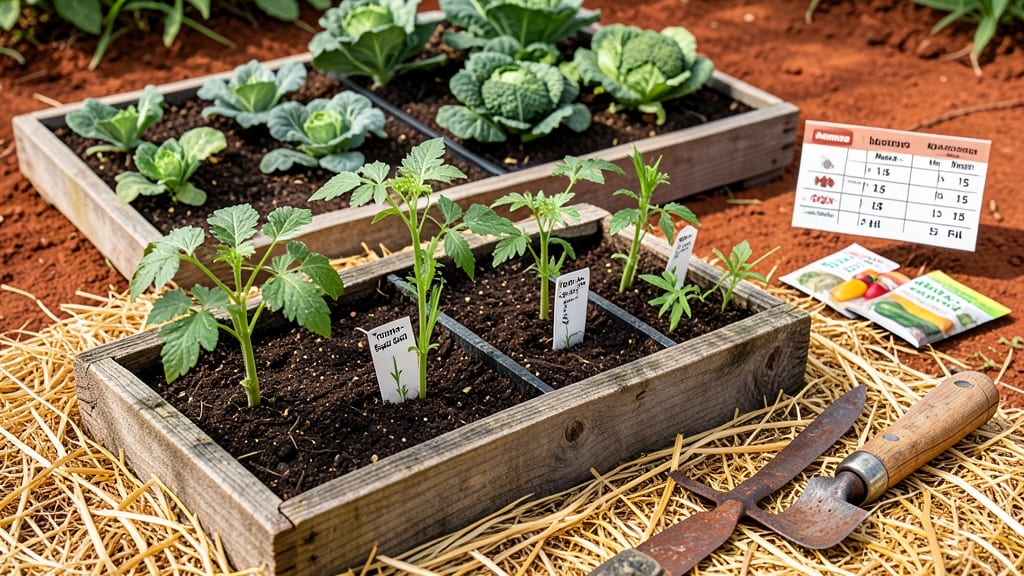
Arkansas planting Zones: north vs south frost dates & ideal start times
Arkansas spans USDA Hardiness Zones 6b to 8a, creating a dramatic split between North Arkansas' cooler climate and South Arkansas' longer growing season. This divide means your neighbor’s planting schedule might be 3–4 weeks off from yours.
Understanding these zones helps you avoid frost damage or heat stress in your garden.
In North Arkansas (Zones 6b–7a), the average last spring frost hits around March 15, while South Arkansas (Zones 7b–8a) typically sees its last frost by April 15. Similarly, the first fall frost arrives October 15 in the north but lingers until November 1 in the south.
These dates dictate when to plant cool-season crops like lettuce or warm-season crops like tomatoes.
Cool-season crops (e.g., broccoli, spinach) should go in the ground 4–6 weeks before the last frost. For North Arkansas, that’s mid-February, while South Arkansas gardeners can start as late as early March. Warm-season crops (e.g., peppers, cucumbers) need to wait until soil reaches 60°F (15°C), usually mid-April in the north and early April in the south.
| Region | USDA Zone | Avg. Last Frost | Avg. First Frost | Cool-Season Start | Warm-Season Start |
|---|---|---|---|---|---|
| North Arkansas | 6b–7a | March 15 | October 15 | Mid-February | Mid-April |
| Central Arkansas | 7a–7b | March 22 | October 25 | Late February | Early April |
| South Arkansas | 7b–8a | April 15 | November 1 | Early March | Early April |
*Dates are averages—check local almanacs for yearly updates.
For container gardens or greenhouse starts, you can push these windows earlier by 4–6 weeks. Seedlings like tomato or pepper plants can be started indoors in January for North Arkansas or February for South Arkansas, then transplanted after the last frost.
This head start gives your plants a competitive edge against pests and heat.
Arkansas’ humidity also plays a role—high moisture levels can delay soil warming in spring. Use a soil thermometer to confirm 60°F (15°C) before planting warm-season crops.
In North Arkansas, this might mean waiting until late April, while South Arkansas can plant peppers and eggplants by mid-March in ideal conditions.
Native Arkansas plants like azaleas and camellias thrive in these zones but have different timing. Azaleas should be planted in fall (September–October) for root establishment before winter, while camellias prefer spring planting (March–April) to avoid heat stress. These perennials reward patience with low-maintenance beauty and longer bloom times.
If you’re unsure of your exact zone, use the USDA Plant Hardiness Zone Map or check with your local Cooperative Extension Service. They provide hyperlocal frost data and can recommend heat-tolerant varieties tailored to your microclimate. For example, ‘Celebrity’ tomatoes handle Arkansas’ heat better than ‘Roma’ varieties.
Pro tip: Bookmark your local weather station for real-time updates. A sudden late frost in April can devastate early plantings, but knowing the trends helps you adjust your schedule.
Start with fast-growing crops like radishes or lettuce to test your timing before committing to longer-season plants like squash or corn.
Remember, Arkansas’ growing season stretches from March to November, but the peak heat (July–August) can stress even the hardiest plants.
Plan your succession planting to keep your garden productive year-round—fall crops like kale and collards love the cooler temps and can be planted as early as August in the north or September in the south.
How to extend your Arkansas growing season: frost-proofing strategies for early/late planting
Arkansas’ short growing season can feel like a race against time, but with the right strategies, you can extend your harvest by weeks—or even months.
Whether you’re in USDA Zone 6b (northern Arkansas) or Zone 8a (southern Arkansas), techniques like row covers, cold frames, and succession planting let you plant earlier or later than traditional windows.
These methods create microclimates that protect tender plants from late spring frosts or early fall chills, giving you a head start on tomatoes and a second chance at greens in autumn.
Don’t let frost dates dictate your garden’s limits. By combining low-tech solutions (like black plastic mulch) with high-tech tools (like electric row covers), you can push your planting windows by 2–4 weeks—sometimes even longer.
For example, cold-hardy crops like spinach can survive light frosts, while warm-season favorites like peppers benefit from season extenders that trap heat. The key is matching the right strategy to your local frost risks and crop sensitivity. Let’s break down the most effective methods, ranked by ease and impact.
Pros & Cons: Arkansas Growing Season Extenders
Pros: Blocks wind/chill, extends spring/fall by 3–4 weeks, reusable.
Cons: Needs stakes, reduces light by 10–30%, not for heat protection.
Pros: Traps heat, extends season by 4–6 weeks, protects from light frosts.
Cons: Expensive, requires assembly, risk of overheating in summer.
Pros: Warms soil by 5–10°F, suppresses weeds, cheap and easy.
Cons: Not reusable, can overheat soil in summer, not for frost protection.
Pros: Maximizes harvests, no extra tools, works for all crops.
Cons: Requires planning, space management, and consistent care.
Pros: Extends season by 2–3 months, protects from pests, reusable.
Cons: High upfront cost, requires ventilation, space-intensive.
Pros: Thrives in Arkansas’ summer heat, no extra tools, drought-tolerant options.
Cons: Limited to warm-season crops, may struggle in early/late seasons.
For northern Arkansas gardeners (Zones 6a–6b), focus on early spring row covers to protect broccoli, cabbage, and lettuce from late frosts. In southern Arkansas (Zones 7a–8a), prioritize fall cold frames to keep kale and spinach growing through November.
My personal favorite is succession planting—sowing radishes every 2 weeks ensures a steady harvest, while black plastic mulch under tomato plants can add 1–2 weeks of growing time in spring. Pair these with drought-tolerant varieties like ‘Heatmaster’ tomatoes or ‘Cherokee Purple’ peppers to handle Arkansas’ 90°F+ summers without wilting.
Timing is everything, so plan your extenders based on your last frost date. For example, if your average last frost is April 1, use row covers until May 1 to safely plant cool-season crops.
In Zone 8a, where frosts are rare, focus on summer shade cloth to protect greens from scorching during July–August. Pro tip: Monitor soil temperatures—most warm-season crops need 60°F+ soil to thrive, even with extenders. A soil thermometer (under $10) is your best friend for avoiding failed plantings.
Don’t overlook pest management when extending seasons. Row covers deter cabbage worms, but hoop houses can trap aphids—so rotate methods or use neem oil sprays preventatively. For fall gardens, mulch heavily to insulate roots from temperature swings.
And if you’re ambitious, combine strategies: Use black plastic mulch to warm soil, then add a row cover for extra frost protection. The result? Tomatoes in March and greens in December—something most Arkansas gardeners only dream of!
Start small with one or two extenders, then expand as you see results. For instance, cold frames are a game-changer for herbs like cilantro, which bolts in summer heat. Or try succession planting with bush beans every 3 weeks for a continuous harvest.
The goal isn’t to grow year-round (though some do!), but to maximize your garden’s potential without fighting Arkansas’ unpredictable weather. With the right tools, you’ll turn frost dates from limitations into opportunities.