
Plants
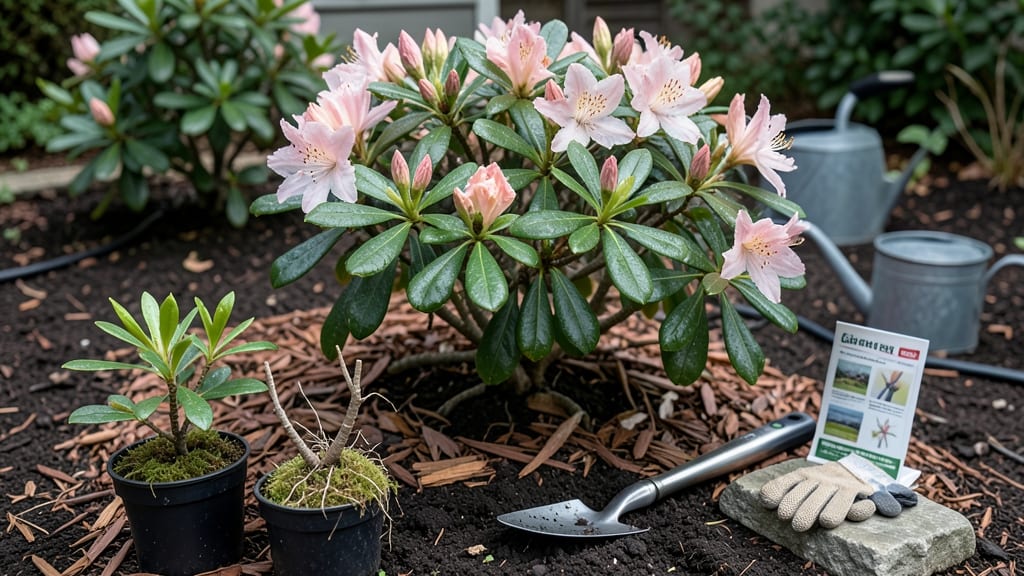
Timing your azalea planting in Florida can make the difference between vibrant spring blooms and struggling shrubs that never quite thrive. The perfect window isn't just about the calendar—it's about understanding Florida's unique microclimates, from frost-prone North Florida to frost-free South Florida.
Most gardeners swear by fall planting (October-November), when temperatures cool and azaleas establish roots before summer's heat. But spring planting (February-March) also works for heat-tolerant varieties, giving you flexibility depending on your zone. The key is avoiding transplant shock during Florida's unpredictable weather swings.
In this guide, I'll break down exactly when to plant azaleas in Florida, including variety-specific advice for Southern, Kurume, and Evergreen types. You'll learn how to prepare your soil, choose between container-grown and bare-root plants, and even find local nursery recommendations for Florida-adapted azaleas.
Whether you're a first-time gardener or a seasoned pro, these insights will help you maximize your azalea's potential—so you can enjoy those stunning 🌸 blooms year after year without the guesswork.
Best months to plant azaleas in Florida by variety type
Planting azaleas in Florida requires careful timing to account for the state’s diverse microclimates—from frost-prone North Florida to frost-free South Florida. The best windows are fall (October–November) and early spring (February–March), but the ideal timing depends on your azalea type and region.
Let’s break it down by variety and location to ensure your azaleas thrive.
Florida’s USDA Zones 8a–11 mean frost risk varies wildly. In North Florida (Zones 8a–9a), like Jacksonville or Gainesville, late fall or early spring planting avoids winter chills.
Meanwhile, Central/South Florida (Zones 9b–11), such as Miami or Tampa, can plant year-round—but fall remains ideal for root establishment before summer heat.
For Southern Indica azaleas, Florida’s native varieties, aim for October–November planting. These heat-tolerant beauties need time to establish roots before summer’s intensity. Kurume azaleas, with their compact growth and vibrant blooms, also prefer fall planting but can handle early spring in cooler regions.
Evergreen azaleas, like the ‘Girard’s Pink’ or ‘Southern Charm’ varieties, thrive in Florida’s humidity. Plant them in early spring (February–March) to avoid summer stress, especially in Zone 10+ areas where heat spikes can shock young plants.
Container-grown azaleas offer flexibility—they can be planted anytime the ground isn’t frozen. However, bare-root azaleas demand dormant-season planting (November–January) to minimize transplant shock. Always check local frost dates: North Florida’s last frost averages January 15, while South Florida rarely sees frost.
🌸 Azalea Planting Guide by Type & Region
| Variety Type | Best Planting Window | North FL (Zones 8a–9a) | Central/South FL (Zones 9b–11) | Soil Prep Tip |
|---|---|---|---|---|
| Southern Indica | Fall (Oct–Nov) | Oct 15–Nov 15 | Sept–Nov | Amend with peat moss for acidity |
| Kurume | Fall or Early Spring | Nov–Dec or Feb–March | Oct–Dec or Feb–April | Use pine bark fines for drainage |
| Evergreen (e.g., Girard’s Pink) | Early Spring | Feb–March | Jan–March | Test pH (aim for 4.5–6.0) |
💡 Pro Tip: Mulch with pine straw after planting to retain moisture and acidify soil naturally.
When selecting azaleas, prioritize Florida-native varieties like ‘Amabilis’ or ‘Southern Dawn’, which handle humidity and heat better than exotic types. Local nurseries, such as Bok Tower Gardens (Lake Wales) or Fairchild Tropical Botanic Garden (Miami), stock region-specific azaleas adapted to Florida’s climate.
Before planting, amend your soil with organic matter like composted leaves or sulfur to lower pH. Azaleas hate alkaline soil—aim for a pH of 4.5–6.0. In sandy Florida soil, mix in peat moss or pine bark to improve water retention and acidity.
After planting, water deeply to settle soil around roots, then maintain 1–2 inches of mulch to protect roots from temperature swings. In North Florida, a lightweight frost cloth can shield young plants if a late frost threatens. South Florida gardeners should focus on shade acclimation to prevent heat stress.
Timing isn’t just about months—it’s about weather patterns. Avoid planting during hurricane season (June–November), as heavy rains can dislodge young plants. Instead, choose dry, overcast days in fall or spring for the best success rate.
With the right timing and variety, your azaleas will reward you with
How to time azalea planting for Florida’s unpredictable weather
Florida’s weather can throw curveballs—unexpected frosts in North Florida or scorching summer heat waves—so timing your azalea planting right is key. The worst time to plant is during hurricane season (June-November), when heavy rains and winds can uproot young plants.
Instead, focus on fall or early spring when conditions are most stable.
If you’re in North Florida (Zones 8a-9a), avoid planting after November 15 to prevent frost damage. In Central/South Florida (Zones 10a-11), where frost is rare, you have more flexibility—but still prioritize cool-season planting to reduce stress.
The goal? Give your azaleas 6-8 weeks of root establishment before extreme weather hits.
🚨 CRITICAL: Never plant azaleas in mid-summer (June-August). The intense heat and drought stress can cause transplant shock, even for heat-tolerant varieties. Even container-grown azaleas struggle in these conditions, so wait until temperatures drop below 85°F for at least a week.
Avoid These Planting Mistakes
Planting azaleas during hurricane season risks root damage from flooding. Summer planting leads to heat stress and wilting. Even bare-root azaleas need cool soil to thrive—plant them in fall or early spring only.
To protect your azaleas from Florida’s unpredictable weather, start by mulching heavily (3-4 inches of pine bark or cypress mulch) to insulate roots. This helps retain moisture during droughts and protects from frost in North Florida.
For container-grown azaleas, move pots to a shadier, sheltered spot during summer’s peak heat or before storms.
After planting, water deeply every 2-3 days (1-2 gallons per plant) to encourage root growth. In North Florida, add a lightweight frost blanket over young plants if a light freeze is forecasted.
In South Florida, focus on shade acclimation—gradually introduce new plants to partial shade to avoid sunburn.
If you miss the ideal planting windows, don’t panic. Container-grown azaleas can be planted in late winter (January-February) or even early fall (September), but be prepared for extra care during Florida’s transition seasons. The key is monitoring weather forecasts and adjusting your planting timeline accordingly.
With the right timing and a little preparation, your azaleas will thrive year after year, blooming beautifully despite Florida’s challenging climate. The effort pays off with lush foliage and stunning spring flowers—worth every minute of planning! 🌿