
Plants
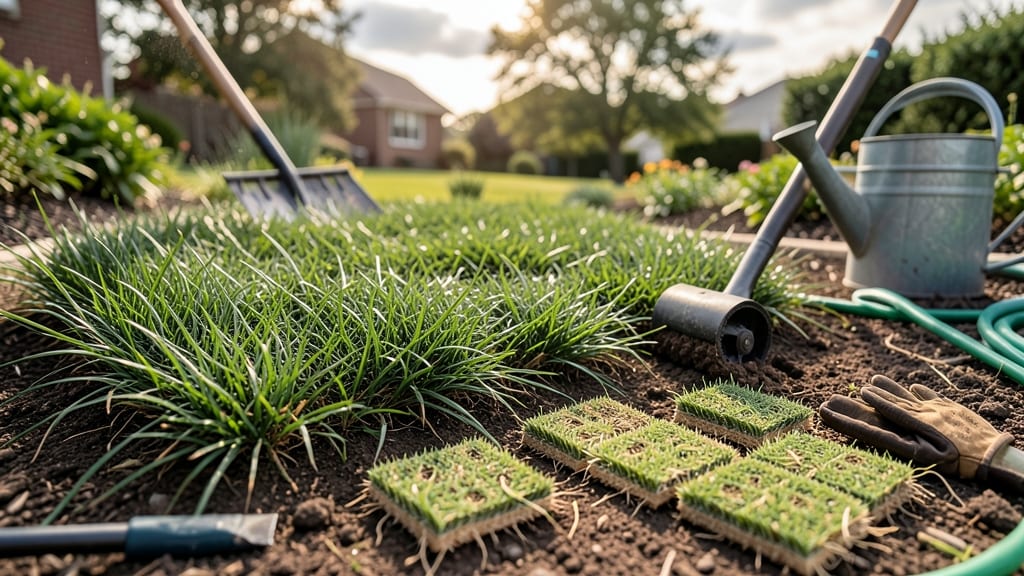
If you've ever struggled with patchy, weak Bermuda grass 🌱 in Florida, timing your planting could be the game-changer you've been missing. Planting at the wrong time means fighting drought, slow growth, and wasted effort—so getting the months right is the key to a thick, resilient lawn.
Florida's warm climate lets you plant Bermuda grass year-round, but spring or early summer is when you'll see the fastest results. The secret? Waiting until soil temperatures hit 65°F—that's when seeds or sod take off like a rocket.
Skip this step, and you're basically asking for stress on your new grass.
Let me show you exactly when to plant in North vs. South Florida, how to prep your soil for success, and why some months are riskier than others. We're talking drought resilience, fewer weeds, and a lawn that actually stays green when others give up.
Ready to stop guessing and start growing? I'll walk you through the exact calendar, regional tweaks, and care tips that'll have your Bermuda grass thriving in no time—no more second-guessing your planting dates.
Optimal planting months for Bermuda grass in Florida’s climate zones
Florida’s diverse climate zones—from the cool North to the tropical South—create unique windows for planting Bermuda grass. Unlike northern lawns, Florida’s warm winters and long growing season allow for flexible timing, but precision still matters.
Planting too early or late can stress your grass, leaving it vulnerable to drought or fungal diseases.
For seed planting, aim for when soil temperatures hit 65°F+, which typically lands in late spring (April–May) for most of Florida. Sod installation, however, can stretch into early summer (June) because established roots recover faster from heat.
In South Florida (Zones 10–11), you can even plant year-round, but spring remains ideal for fastest establishment.
Here’s how Florida’s three main regions differ in timing, along with temperature thresholds and drought resilience factors to prioritize:
| Region | Best Planting Window | Soil Temp Threshold | Drought Risk | Key Tip |
|---|---|---|---|---|
| North Florida (Zones 8a–9a) | April–May (seeds) May–June (sod) |
65°F+ | Moderate (spring droughts common) | Water deeply after planting to combat dry spells. |
| Central Florida (Zones 9b–10a) | March–June (flexible) | 68°F+ | Low (humidity helps) | Avoid planting in July–August due to extreme heat. |
| South Florida (Zones 10b–11) | Year-round (peak: April–May) | 70°F+ | Very Low (tropical rains) | Use shade cloth if planting in peak summer to reduce stress. |
If you’re planting Bermuda grass seeds, prioritize April–May across most of Florida. Seeds need consistent warmth to germinate, and cooler March mornings can delay sprouting. For sod, the window extends slightly later because the established roots handle heat better.
In North Florida, where spring droughts are common, start watering 2 weeks before planting to prep the soil.
One critical mistake I see in Florida lawns? Planting Bermuda grass in late summer (August–September). While the grass can handle heat, the intense sun and limited rainfall stress new roots.
Instead, opt for late spring when rains are more frequent, or early fall (September–October) for a second chance to establish before winter.
For drought resilience, a trick I swear by is mulching with compost after planting. This retains moisture and feeds the soil, which is especially helpful in Central Florida’s dry spells.
Pair this with deep watering (1–1.5 inches per week), and your Bermuda grass will thrive even during Florida’s hottest months.
In South Florida, where frost is rare, you can push boundaries—planting in December is possible if you’re overseeding. However, the grass will grow slowly until spring warmth kicks in. Always check soil temps with a soil thermometer (available at garden centers) to avoid guesswork.
Pro tip: If you’re in North Florida and planting in early spring, use a lightweight row cover for the first 2 weeks. It protects young seedlings from late frosts (yes, they can happen!) while letting sunlight through. Remove it once daytime temps stay above 70°F.
Remember, Bermuda grass is a warm-season grass, so it goes dormant in winter—even in Florida. Planting in fall (September–October) gives it time to establish roots before the cooler months, ensuring a greener spring comeback.
Timing isn’t just about months; it’s about soil warmth, rainfall patterns, and your local microclimate.
Signs your Florida soil is ready for Bermuda grass planting
Before you rush out to buy Bermuda grass seeds or sod, your Florida soil needs to be ready—or your investment could go to waste. I’ve seen too many gardeners skip this step and end up with patchy, slow-growing grass that struggles to survive Florida’s heat and drought.
The key is checking three critical factors: soil temperature, moisture levels, and pH balance. Let’s break down what to look for so you can plant with confidence.
First, your soil temperature must hit at least 65°F—this is non-negotiable for Bermuda grass. If it’s cooler, seeds won’t germinate, and sod won’t root properly. Use a soil thermometer (they’re cheap and worth it!) to check the temperature about 2-3 inches deep.
In North Florida, this usually means waiting until late April or early May, while South Florida can start as early as March. Don’t guess—measure!
- 🌡️ Soil temp at 65°F+ (use a thermometer)
- 💧 Moisture is evenly distributed (not soggy or dry)
- 🌱 Existing grass is green and active (not dormant)
- 📉 pH level between 6.0-7.0 (test with a kit)
- ☀️ Sunlight is 6+ hours daily (no shade issues)
Next, check your moisture levels. Bermuda grass thrives in well-draining soil, but it also needs consistent moisture to establish strong roots. Stick your finger about 2 inches deep—if the soil feels dry, water it thoroughly 24 hours before planting.
Overwatering is just as bad, though, so avoid muddy conditions. A simple trick? Walk across your lawn—if your footprints don’t fill back in within a few hours, the soil’s too dry.
Don’t overlook pH testing, either. Bermuda grass prefers a slightly acidic to neutral pH (6.0-7.0). Grab a soil test kit (available at garden centers) and follow the instructions.
If your pH is off, you can adjust it with lime (to raise pH) or sulfur (to lower pH), but give yourself 4-6 weeks to make changes before planting. Pro tip: Test your soil in multiple spots—Florida’s microclimates can vary wildly even within a neighborhood.
Finally, observe your existing grass. If neighboring patches of grass (like St. Augustine or centipede) are green and growing actively, your soil’s likely ready. But if they’re brown or dormant, wait it out.
This is your soil’s way of telling you it’s not quite time yet. Patience here saves you from frustration later—trust me, I’ve learned this the hard way!
Once you’ve checked all these boxes, you’re golden. Planting Bermuda grass in prime soil conditions means faster germination, deeper roots, and a lawn that can handle Florida’s droughts and heat like a champ.
Now, let’s talk about how to prep your soil for planting—because even the best timing won’t help if your bed isn’t ready.