
Plants
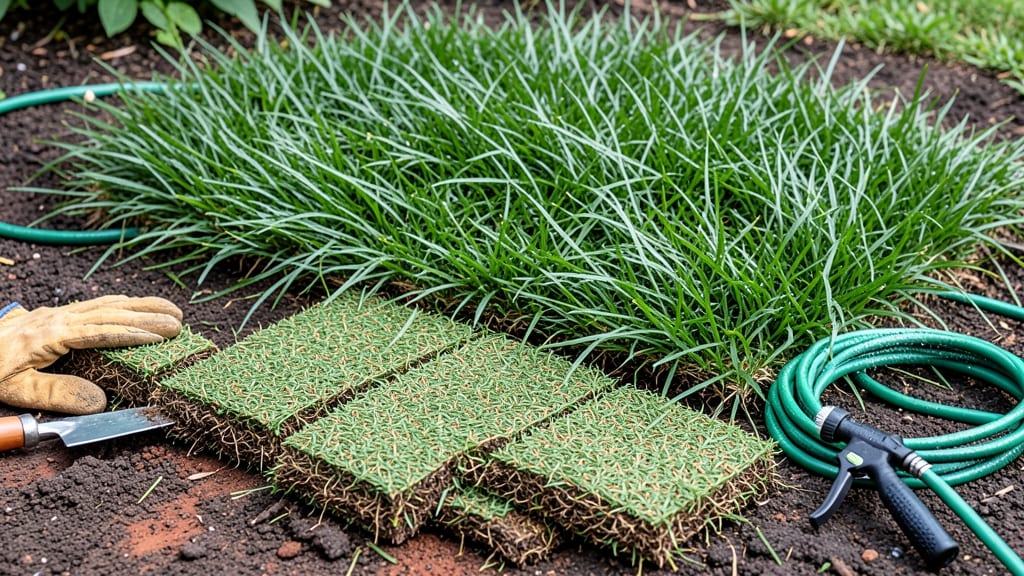
Planting your Bermuda grass sod 🌱 in Georgia at the wrong time can mean the difference between a lush, green lawn and a patchy, struggling mess.
The key to success lies in timing—too early, and frost can stunt growth; too late, and roots won’t establish before summer’s brutal heat kicks in.
Georgia’s 7a-8b climate zones create unique windows for planting, but most gardeners get it right by focusing on two ideal periods: early spring (March-April) or late summer (August-September). These months balance soil warmth, moisture, and minimal stress on your new sod.
Why does timing matter so much? Because Bermuda grass thrives when soil temperatures hit at least 65°F, giving roots the perfect environment to spread deep and strong. Miss this window, and you risk shallow roots that struggle with drought or heat—leaving your lawn vulnerable.
In this guide, I’ll break down the exact months to plant, how to prep your soil, and what to watch for after installation. Let’s get your Georgia lawn off to the best possible start!
Optimal planting months for Bermuda grass sod in Georgia’s climate zones
Georgia’s diverse climate—from the cooler North Georgia mountains to the hot, humid coastal plains—means your Bermuda grass sod planting window depends heavily on your USDA zone (7a-8b). In Zone 7a, where last frosts linger until mid-April, aim for late April to early May for spring planting.
Meanwhile, Zone 8b gardeners can start as early as March in the southern regions.
The late summer window (August-September) works universally across Georgia because soil stays warm, but hurricane season risks peak in August—so wait until mid-August if storms are forecasted. Soil temperature is your best guide: Bermuda grass needs 65°F+ soil to thrive, and a $5 soil thermometer (available at garden centers) makes this easy to check.
Here’s how Georgia’s microclimates break down for ideal planting months:
| Region | USDA Zone | Spring Window | Late Summer Window | Key Risk |
|---|---|---|---|---|
| North Georgia (e.g., Blue Ridge) | 7a | Late April–Early May | Mid-August–Early Sept | Late frosts |
| Central Georgia (e.g., Athens, Macon) | 7b-8a | Early April–Mid-May | Late July–Early Sept | Heat stress |
| South Georgia (e.g., Savannah, Valdosta) | 8a-8b | March–Early April | August–Mid-Sept | Hurricanes |
In North Georgia, where frost dates can push back planting until May, prioritize late summer (August-September) for stronger root establishment before winter. Central Georgia offers flexibility—both spring and fall work—but avoid June planting when heat stress weakens new sod. Southern Georgia can plant as early as March, but hurricane season makes September the safer bet.
Pro tip: Test soil moisture before planting—Bermuda grass hates soggy roots. Stick your finger 4 inches deep; if it feels damp, wait 3-5 days. Well-draining soil is non-negotiable for this drought-resistant grass.
For second-chance planting, overseed in late spring (May) if your sod arrives late, but expect slower establishment due to summer heat. Fall planting after September 15 risks root dormancy before winter—so stick to the August window for best results.
Remember: Bermuda grass is a warm-season grass, meaning it goes dormant in winter. Planting too late in fall leaves it vulnerable to frost, while early spring planting risks slow growth if temperatures dip. Balance is key—aim for 60-70°F air temps and 65°F+ soil.
If you’re in Zone 7a and March planting feels risky, opt for container-grown sod (easier to move if frost hits) or seed instead—though sod establishes 3x faster than seed.
🌱
Optimal planting months for Bermuda grass sod in Georgia’s climate zones
Georgia’s 7a-8b climate zones create distinct planting windows for Bermuda grass sod, where timing directly impacts root depth and drought resilience. In Northern Georgia (USDA Zone 7a), cooler springs delay ideal planting until mid-April, while Southern Georgia (Zone 8b) can start as early as late March.
The key is waiting for soil temperatures to hit 65°F—a threshold Bermuda grass needs to thrive.
For most Georgia gardeners, the two best windows are early spring (March-April) and late summer (August-September). Spring planting gives sod a head start before summer’s heat, while late summer allows roots to establish before winter dormancy.
Avoid planting in May-July, when extreme heat can shock new roots and stunt growth.
Here’s how Georgia’s regions break down for optimal planting:
| Region | Ideal Planting Window | Soil Temp Threshold | Frost Risk |
|---|---|---|---|
| Northern GA (Zone 7a) | Mid-April to early May | 65°F+ (consistent) | High until late April |
| Central GA (Zone 7b) | Late March to early April | 65°F+ (consistent) | Moderate until early April |
| Southern GA (Zone 8b) | Late March to mid-April | 65°F+ (consistent) | Low by March 15 |
| All Regions (Late Summer) | August to early September | 70°F+ (soil) | None (summer heat) |
In Northern Georgia, where frost lingers until mid-April, planting too early risks damage. Use a $5 soil thermometer to confirm temperatures—Bermuda grass won’t activate until the ground warms. For Southern Georgia, late March is ideal, as warmer soils accelerate root growth by 30-40% compared to cooler zones.
Late summer planting (August-September) works because Bermuda grass enters a dormant-like state in winter, so roots can focus on establishing before cooler temps arrive. Just ensure you water deeply 2-3x weekly to combat Georgia’s dry autumns. Avoid planting after mid-September, as roots may not harden off before frost.
Pro tip: If you miss the spring window, overseed with ryegrass in fall for temporary coverage while Bermuda grass recovers. This hybrid approach keeps your lawn green year-round while giving Bermuda time to rebound.