
Plants
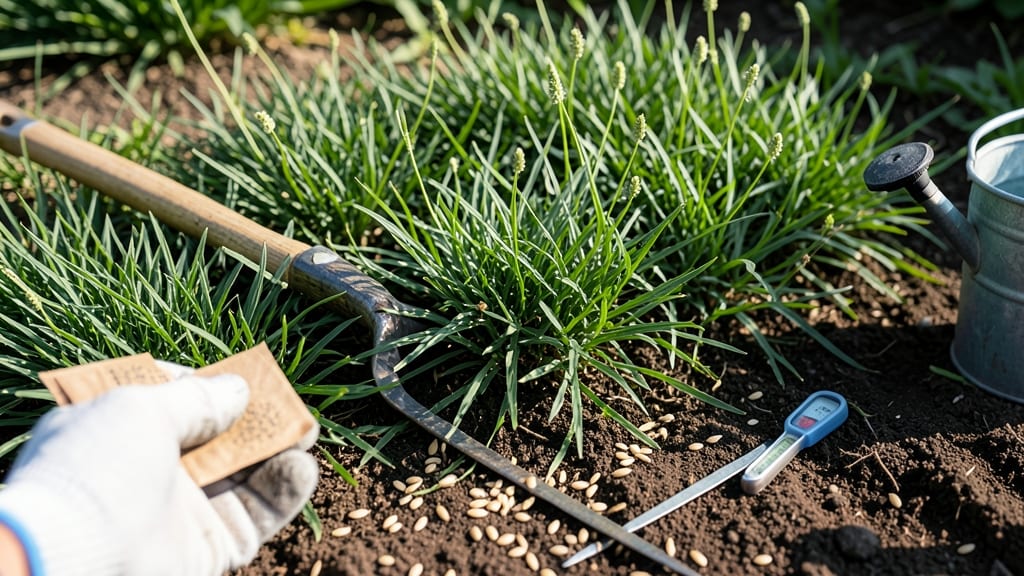
Planting Bermuda grass seed at the wrong time in Arkansas can mean the difference between a lush, green lawn and months of frustration. This hardy grass thrives in heat, but Arkansas' 7a-8a zones demand precise timing—too early, and cool soil stalls germination; too late, and summer heat stresses young sprouts.
Most gardeners focus on the calendar, but soil temperature is the real game-changer. Bermuda grass needs the ground to reach at least 65°F—a threshold that arrives late April to early June in most of the state. Skipping this check leads to patchy growth or worse, wasted seed.
Don’t overlook fall either—early August to early September offers a second chance for establishment before winter. Arkansas’ humidity and heat tolerance make these windows ideal, but microclimates (like shaded spots) can shift your timing by weeks.
I’ll walk you through exact steps to nail your planting window, from soil tests to watering hacks, so your Bermuda grass takes root fast and stays resilient. Let’s get started.
Best planting windows for Bermuda grass seed in Arkansas heat zones
Bermuda grass thrives in Arkansas' warm climate, but planting it at the wrong time can lead to poor germination or even complete failure. The key is understanding your USDA heat zone (typically 7a-8b in Arkansas) and waiting until soil temperatures reach at least 65°F (18°C).
In most parts of Arkansas, this means aiming for late spring or early fall planting windows.
Arkansas' humid subtropical climate creates unique challenges. Bermuda grass seeds need consistent warmth to sprout, but they also risk overheating or drying out if planted too early. The spring window (late April to early June) is ideal because daytime temperatures rise steadily, while nighttime stays cool enough to prevent stress.
The fall window (early August to early September) works too, giving seeds time to establish before winter.
Here’s how to verify your soil is ready: Use a soil thermometer to check temperatures at 2-inch depth. If it consistently reads 65°F or higher for at least 3 days, it’s safe to plant.
In northern Arkansas (Zone 7a), wait until mid-May to avoid late frosts. Southern areas (Zone 8a) can start as early as late April.
Timing also depends on your lawn’s current state. If you’re overseeding an existing Bermuda lawn, aim for late spring to capitalize on natural rainfall. For new lawns, fall planting often yields thicker growth by next spring because cooler temps reduce stress.
One common mistake is planting too early in Zone 7a, where frosts can linger until mid-April. Even if soil warms, a late frost can kill young seedlings. Always check the Arkansas State University Extension Service for local frost dates before planting.
Another critical factor is humidity levels. Arkansas’ high humidity can create a fungal risk if seeds are planted during prolonged wet periods. The ideal window balances warmth, dry soil, and moderate humidity—typically late May or early September in most regions.
🌱 Bermuda Grass Planting Timeline for Arkansas
| Heat Zone | Best Planting Window | Soil Temp Requirement | Key Consideration |
|---|---|---|---|
| 7a (North AR) | Late May - Early June | 65°F+ (18°C) | Avoid late frosts; wait for stable warmth |
| 7b (Central AR) | Late April - Mid-May | 65°F+ (18°C) | Balance humidity and heat; early May ideal |
| 8a (South AR) | Late April - Early June | 65°F+ (18°C) | Early planting possible; monitor rainfall |
| Fall Window (All Zones) | Early August - Early September | 70°F+ (21°C) | Cooler temps reduce stress; establish before winter |
If you’re unsure about your heat zone, use the USDA Plant Hardiness Zone Map or check with your local county extension office. For example, Fayetteville (Zone 7b) has a longer spring window than Bentonville (Zone 7a), which may still experience frosts in May.
Pro tip: Spring planting often yields faster results because Bermuda grass grows aggressively in summer heat. However, fall planting can produce a thicker lawn by next spring because cooler temps reduce weed competition and fungal diseases. Choose based on your timeline—spring for quick results, fall for long-term resilience.
Always avoid planting during peak summer heat (June-July), even in Zone 8a. The intense sun and dry conditions can cause seeds to dry out before germination. Instead, opt for early fall when temperatures start to cool but remain warm enough for growth.
For the best results, mark your calendar for late May or early September and prepare your soil at least 2-3 weeks in advance. This gives you time to adjust pH, improve drainage, and create the ideal seedbed for maximum germination success.
Best planting windows for Bermuda grass seed in Arkansas heat zones
Arkansas’ 7a-8a climate zones create two prime windows for planting Bermuda grass seed: spring and fall. Spring planting (late April to early June) aligns with rising soil temperatures, while fall (early August to early September) gives young grass a head start before winter dormancy.
Missing these windows risks slow germination or seed rot in cooler soil.
Soil temperature is your #1 indicator. Bermuda grass seeds need the ground to reach at least 65°F (18°C)—a threshold that typically arrives in late April for northern Arkansas (Zone 7a) and early April for southern areas (Zone 8a). Use a soil thermometer to confirm before planting.
Northern Arkansas (Zones 7a-7b) should aim for May 1-15 in spring, while southern regions (Zones 8a-8b) can start as early as April 15. Fall planting works best when daytime highs stay above 80°F (27°C)—usually mid-August through early September—so roots establish before cooler weather sets in.
🌱 Arkansas Bermuda Grass Planting Windows by Zone
| Zone | Spring Window | Fall Window | Soil Temp Requirement |
|---|---|---|---|
| 7a (North AR) | May 1-15 | Aug 15-Sep 1 | ≥65°F (18°C) |
| 7b (Central AR) | Apr 25-May 10 | Aug 1-Aug 15 | ≥65°F (18°C) |
| 8a (South AR) | Apr 15-May 1 | Jul 30-Aug 15 | ≥65°F (18°C) |
Microclimates matter! Shaded areas or high-elevation spots may need 2-3 weeks later than the general window. For example, if your yard has partial shade, delay planting until you’ve confirmed consistent 65°F soil temps in those spots.
A shade cloth test (covering a small area for a week) can help gauge delays.
Watch for Arkansas’ unpredictable rain patterns. Planting too early (March-April) risks seed rot from spring showers, while late June starts may stress young sprouts during summer’s peak heat. Aim for clear forecasts and prepare to cover seeds if sudden storms hit during germination.
Pro tip: Mark your calendar for the full moon in May—this natural rhythm often aligns with Arkansas’ ideal soil-warming period. Many local gardeners swear by it for Bermuda grass success! ☀️