
Plants
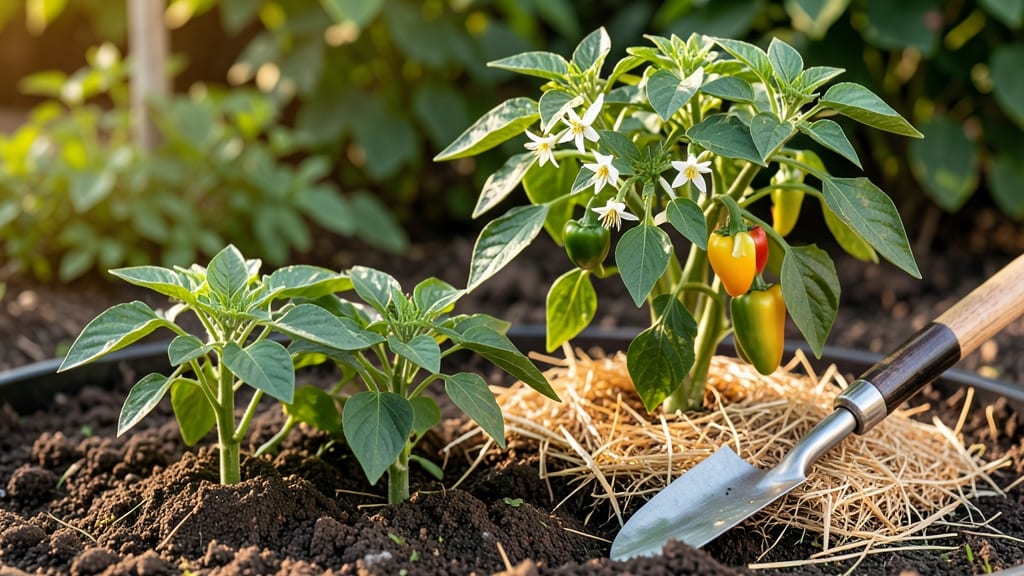
When to plant bell peppers in South Florida isn’t just about avoiding frost—it’s about mastering the heat. With year-round growing potential, one wrong move can send your plants bolting in summer or struggling in unexpected humidity spikes.
I’ve grown these heat-loving plants for years in USDA Zone 10a-11, and the difference between a bumper crop and a sad garden comes down to 3 key factors: soil temperature, variety selection, and microclimate awareness.
Skip the guesswork and plant at the perfect moments for continuous harvests—no matter the season.
What if I told you the best months aren’t just "spring and fall"? In South Florida, the real secret lies in staggered plantings that keep your 🌶️ plants thriving through scorching summers and mild winters.
Let’s break down the exact calendar dates and pro tips that’ll have you harvesting peppers 12 months a year.
From choosing heat-resistant varieties to adjusting watering in 90°F+ temps, I’ll show you how to turn South Florida’s climate into your pepper-growing advantage. Ready to grow like a local?
Optimal planting months for bell peppers in South Florida’s microclimates
South Florida’s microclimates create unique challenges and opportunities for bell pepper growers. Unlike northern regions, we don’t have to worry about frost damage, but we do face intense summer heat and humidity fluctuations.
The key is staggered plantings to ensure continuous harvests while avoiding heat stress or poor fruit set.
For Miami and the Keys, the ideal planting windows are January through March and September through November. These months offer gentler temperatures (70-85°F) and lower humidity, perfect for establishing healthy plants.
Inland areas like Orlando and Tampa can extend spring plantings slightly later, into late March and early April, while fall plantings should start by mid-August.
Summer planting (May-August) is possible but requires shade cloth and extra watering. I’ve had success with heat-tolerant varieties like 'Jupiter' planted in late May, but expect slower growth and smaller yields without proper care. Always check your soil temperature—it should be at least 70°F for germination.
Here’s how South Florida’s three main regions differ in planting timing:
| Region | Best Planting Windows | Soil Temp Threshold | Key Considerations |
|---|---|---|---|
| Miami/Keys | Jan-Mar, Sep-Nov | 70-75°F | Higher humidity; watch for fungal diseases |
| Orlando | Late Feb-Apr, Aug-Sep | 72-78°F | Hotter inland summers; needs afternoon shade |
| Tampa | Jan-Mar, Sep-Oct | 70-80°F | Coastal breezes help; less humidity than Miami |
| Summer Planting (All Regions) | May-Jun (with shade) | 75-85°F | Use 30-50% shade cloth; water deeply daily |
For year-round production, I recommend planting every 6-8 weeks. Start with transplants (not seeds) in January and September, then follow up with successive plantings every 4-6 weeks. This ensures you always have mature plants producing peppers while others are establishing.
One common mistake is planting too late in spring (after mid-April) without shade protection. The April-May heat can cause bolting (premature flowering) or sunscald on young plants. I’ve seen seedlings collapse under 90°F+ temperatures within days if not acclimated properly.
If you’re growing in containers, adjust your timeline by 2-3 weeks earlier—pots heat up faster and dry out quicker. Always use well-draining soil mixed with compost to help retain moisture during Florida’s dry spells.
For in-ground planting, amend your soil with aged compost or peat moss to improve drainage.
Pro tip: Use a soil thermometer to monitor temperatures. Bell pepper seeds need consistent warmth—if your soil dips below 65°F, germination slows dramatically. In cooler microclimates (like higher elevations in Orlando), you might need row covers for early spring plantings.
Remember, South Florida’s lack of frost means we can grow bell peppers almost anytime, but the quality and quantity of your harvest depend on timing and variety selection. Next, we’ll dive into the top 5 heat-resistant varieties that thrive in our brutal summers.
Optimal planting months for bell peppers in South Florida’s microclimates
South Florida’s microclimates create unique challenges for bell pepper growers. Unlike northern states, we don’t have to worry about frost, but heat stress and humidity demand precise timing. The key is planting when soil temperatures stay above 70°F—this ensures strong germination and prevents bolting (premature flowering).
In Miami and the Keys, where humidity lingers year-round, I start seeds indoors in January for early spring transplants by February. Meanwhile, in Tampa and Orlando, slightly cooler nights allow for a March kickoff. The goal? Beat the brutal summer heat that peaks in June-August.
| Region | Best Planting Window | Soil Temp Threshold | Key Strategy |
|---|---|---|---|
| Miami/Keys | Jan–Feb (spring) / Sep–Oct (fall) | 72°F+ | Use shade cloth in summer |
| Tampa/Orlando | Feb–Mar (spring) / Aug–Sep (fall) | 70°F+ | Mulch heavily to retain moisture |
| Lake Okeechobee | Mar–Apr (spring) / Jul–Aug (fall) | 75°F+ | Drip irrigation for drought-prone areas |
For year-round production, I stagger plantings every 6-8 weeks. This means if you plant in February, follow up with April, June, and August batches. The fall window (September–October) is especially productive, as cooler temps slow plant stress while keeping growth active.
One common mistake? Planting too late in summer. Temperatures above 90°F cause peppers to bolt (flower prematurely) or develop bitter fruit. To avoid this, I always use 50% shade cloth during June–July and switch to drip irrigation to keep roots cool.
Pro tip: Test your soil’s pH (6.0–6.8) before planting. South Florida’s sandy soil often lacks nutrients, so I amend with compost and a balanced fertilizer (10-10-10) at planting time. This gives seedlings the boost they need to thrive in our humid climate. 🌱