Plants
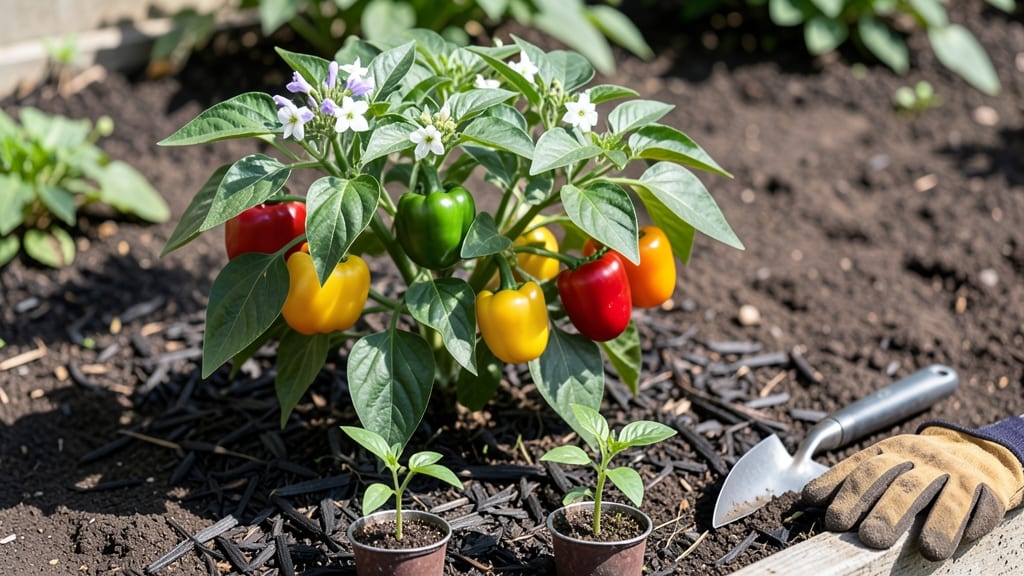
Timing your Bell Pepper 🌶️ planting in Kansas can make or break your harvest—get it wrong, and you’ll end up with stunted plants or no peppers at all. The key is knowing when to plant after the last frost, because these heat-loving plants need consistent warmth to thrive.
Most Kansas gardeners wait until mid-April to early June for their spring crop, but late July is your second chance for a fall harvest. With USDA zones 5b-7a across the state, your exact window depends on where you live and when the soil warms up.
I’ll walk you through the exact frost-free timeline for your region, plus soil temperature tricks to give your peppers the best possible start. Whether you’re a first-time gardener or a seasoned pro, these tips will help you avoid common mistakes and maximize your yield.
Ready to grow bigger, healthier Bell Peppers? Let’s dive into the perfect planting schedule for Kansas gardens—so you can enjoy fresh peppers straight from your backyard all season long.
Kansas bell pepper planting timeline: frost-free dates by region
Kansas' variable climate means your bell pepper planting window depends heavily on your USDA zone and local microclimates. Most regions experience last frost dates between mid-April and early May, but soil temperature is the real game-changer for heat-loving peppers.
Aim to plant when soil reaches at least 60°F, which typically occurs 2-4 weeks after the last frost.
For spring planting, Kansas gardeners should start seeds indoors 8-10 weeks before the last frost date. This means mid-February to early March for most areas. Transplant seedlings outdoors after May 15 in western Kansas or after June 1 in cooler eastern regions like Kansas City.
Don't overlook fall planting opportunities! Late July sowings can yield peppers through October before the first frost. This works best in USDA Zone 6b areas like Wichita and Topeka, where growing seasons extend longer.
🌱Pro Tip: Check the K-State Research and Extension frost date maps for your specific county. Their data accounts for 30-year averages and local variations that matter for your bell pepper success.
Kansas Bell Pepper Planting Timeline by Region
| Region | USDA Zone | Last Frost Date | Spring Planting Window | Fall Planting Window |
|---|---|---|---|---|
| Western KS (Wichita, Garden City) | 6b-7a | April 15-May 1 | May 15-June 1 | July 15-August 15 |
| Central KS (Topeka, Salina) | 5b-6a | April 20-May 5 | May 20-June 5 | July 1-August 10 |
| Eastern KS (Kansas City, St. Joseph) | 5a-5b | April 25-May 10 | May 25-June 10 | July 5-August 5 |
| Northeast KS (Emporia, Pittsburg) | 5a | May 1-May 15 | June 1-June 15 | July 10-July 25 |
Soil temperature is more critical than air temperature for bell pepper success. Use a soil thermometer to confirm 60°F+ readings at 6 inches deep. Cold soil slows germination and stunts growth. In cooler microclimates, consider black plastic mulch to warm the soil faster.
For succession planting, sow new seeds every 2-3 weeks after your initial planting. This ensures a continuous harvest throughout the summer months. Just remember: late plantings (after July 15) may not mature before frost in Zone 5a areas.
🌿Regional Tip: Gardeners in western Kansas can push planting dates earlier due to hotter, drier summers. Eastern Kansas gardeners should wait until after May 20 to avoid late spring frosts that can damage tender seedlings.
Always monitor weather forecasts in the week before transplanting. A 5-day forecast predicting 40°F nights means delaying planting until conditions stabilize. Row covers can help protect young plants if you're in a hurry to get them in the ground.
💧Watering Note: After transplanting, focus on deep watering to establish roots. Keep soil consistently moist but not soggy during the first 2-3 weeks to prevent transplant shock.
How to extend your Kansas bell pepper season: starts, transplants, and success tips
Bell peppers thrive in warm soil and hate cold snaps, so Kansas gardeners must plan ahead. For a longer harvest, start seeds indoors 8-10 weeks before your last frost date.
This means mid-February to early March for most of the state. Use grow lights or a sunny windowsill to keep seedlings strong until transplanting.
Once your seedlings are 3-4 inches tall with 2-3 sets of leaves, they’re ready to harden off. Harden them outdoors for 10-14 days by gradually increasing their time outside. This toughens them up for Kansas’s unpredictable spring weather and reduces transplant shock.
Transplant your seedlings after the last frost and only when soil temperatures hit at least 60°F. Use a soil thermometer to confirm—cold soil stunts growth and delays fruiting. In Kansas, this usually falls between mid-April and early May, but it can vary by region.
For a second harvest, try a late summer planting. Start seeds indoors in early July and transplant by mid-August. This gives peppers time to mature before the first frost in mid-October. Use black plastic mulch to warm the soil faster and keep weeds down.
Extend your season even further with cold frames or row covers. These protect plants from late spring frosts and early fall chills. Just remove covers during the day to prevent overheating. This trick can add 2-3 extra weeks to your growing season in Kansas’s shorter summers.
Finally, choose fast-maturing varieties like ‘Early California Wonder’ (60 days) or ‘Jupiter’ (65 days) for Kansas’s shorter growing season. These varieties give you the best chance of a reliable harvest before frost hits.