Plants
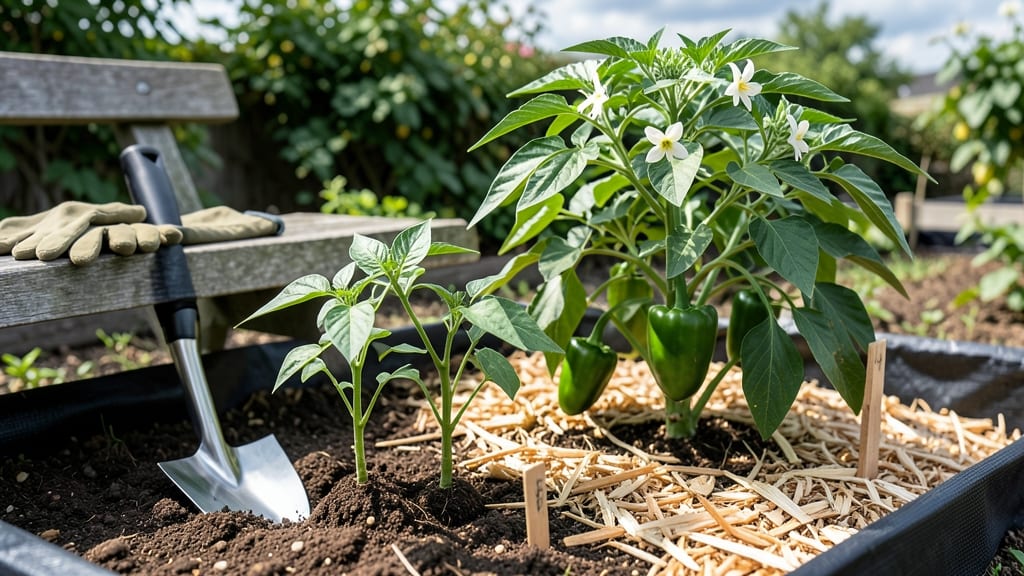
If you’ve ever watched your bell peppers 🌶️ wilt under Michigan’s unpredictable spring weather, you know when to plant bell peppers in Michigan is everything. Planting too early risks frost damage, while waiting too long means missing the sweet, spicy rewards of a summer harvest.
The key to success? Nailing the frost-free window—typically mid-April to early June—for optimal growth and flavor.
Michigan’s 5b-6b zones add another layer of complexity, with last frost dates shifting from late April in southern regions to early May in the north. But don’t let that intimidate you—with the right preparation, you can stretch your growing season and even squeeze in a fall harvest.
Whether you’re starting seeds indoors or transplanting seedlings, understanding soil temperatures (60°F+) and regional microclimates is your secret weapon.
In this guide, I’ll break down the exact planting timeline, share pro tips for extending your season, and reveal common mistakes that kill yields. By the end, you’ll know exactly when to plant for peak harvests—no guesswork required. Let’s get those peppers thriving!
Ready to dive in? We’ll cover everything from soil prep to companion planting, so you can enjoy fresh, homegrown bell peppers 🌶️ straight from your Michigan garden. No more wasted efforts—just bountiful, delicious results.
Michigan bell pepper planting calendar: frost dates & hardiness zones
Bell peppers are warm-season crops that need consistent temperatures above 55°F to thrive. In Michigan’s USDA zones 5b-6b, timing your planting correctly means the difference between a bountiful harvest and wasted effort.
The last frost date varies by region—typically late April in southern Michigan and early May in northern areas—but soil temperature is just as critical.
Peppers won’t grow well until the soil reaches 60°F+, even if air temperatures are mild. This often means waiting until mid-May to early June for outdoor planting.
However, Michigan gardeners can push the season earlier with seed starting indoors or protective measures like row covers. Let’s break down the exact frost-free windows for your region.
🌱 PRO TIP: Use a soil thermometer to confirm readiness—planting too soon in cold soil leads to stunted growth or rot.
Michigan Bell Pepper Planting Timeline
| Region | Last Frost Date | Ideal Transplant Window | Soil Temp Requirement | First Frost Risk |
|---|---|---|---|---|
| Southern MI (Detroit, Kalamazoo) | Late April | Mid-May to early June | 60°F+ | Mid-October |
| Central MI (Lansing, Grand Rapids) | Early May | Late May to early June | 60°F+ | Early October |
| Northern MI (Traverse City, Marquette) | Early May | Late May to June | 60°F+ | Late September |
| Upper Peninsula (Houghton, Ironwood) | Mid-May | June | 60°F+ | Mid-September |
🌡️ Note: Use a soil thermometer to confirm readiness—planting in cold soil stunts growth.
For gardeners in USDA zone 6b (southern Michigan), you can start peppers indoors 8-10 weeks before your last frost—typically around mid-March. Transplant seedlings outdoors after the soil warms to 60°F+, usually by mid-May.
In zone 5b (northern Michigan), wait until late May to early June to avoid frost damage.
If you’re in the Upper Peninsula, consider short-season varieties like ‘Early Cal Wonder’ (60 days to maturity) or ‘Jupiter’ (70 days). These varieties mature faster and can still produce a harvest before the first frost in September.
For a second crop, try late July transplanting—peppers planted then may produce small peppers by fall harvest.
Don’t forget about microclimates! South-facing gardens warm up faster than north-facing ones. If your yard has a sunny slope or protected microclimate, you can plant 1-2 weeks earlier than the average frost date suggests. Use a frost calendar or local gardening group for precise data.
For container gardening, remember that pots heat up and cool down faster than garden beds. Wait until late May to early June to transplant container-grown peppers, even in southern Michigan. Containers also dry out quicker, so monitor soil moisture closely during hot summer days.
Finally, track your first frost date to plan for fall harvests. In most of Michigan, the first frost hits between mid-September and mid-October,
How to extend Michigan’s growing season for bell peppers
Michigan’s short growing season can feel like a challenge for bell peppers, but with smart strategies, you can push your harvest window by 4-6 weeks. The key is starting early indoors and protecting young plants from late frosts.
I’ve found that combining greenhouse starts with row covers gives me peppers by mid-July—something I never thought possible in my Zone 5b garden!
For gardeners in northern Michigan, cold frames are a game-changer. These simple structures trap heat and extend the season by 2-3 weeks on either end. I use them to harden off seedlings in spring and protect late-season peppers from early fall frosts.
Even a DIY cold frame made from wood and plastic sheeting can work wonders for bell pepper survival.
🌱
Greenhouse Starts
- ✅ Pros: 8-10 week head start
- ✅ Pros: Warmer soil for faster growth
- ✅ Pros: Protects from late frosts
Row Covers
- ✅ Pros: Extends season by 3-4 weeks
- ✅ Pros: Protects from light frosts
- ✅ Pros: Easy to install/remove
Greenhouse Starts
- ❌ Cons: Requires space/equipment
- ❌ Cons: Needs artificial light if cloudy
Row Covers
- ❌ Cons: Reduces sunlight slightly
- ❌ Cons: Can overheat plants
Choosing the right bell pepper varieties makes all the difference in Michigan. Early varieties like 'Early Cal Wonder' mature in just 60 days, while larger types like 'Jupiter' need 80+ days. I’ve had success with 'Sweet Banana' under row covers—it tolerates cooler temps better than most varieties. For fall planting, try 'Carmen', which handles shorter days well.
Succession planting is another trick I swear by. Instead of planting all my bell peppers at once, I stagger seedlings every 2-3 weeks from May through June. This ensures a continuous harvest through September.
The secret? Keep a few seedling trays ready and use a small greenhouse or even a sunny windowsill to maintain consistent germination rates.
Don’t overlook black plastic mulch—it’s my secret weapon for warming soil quickly. Spread it 4-6 weeks before planting to raise soil temps by 5-10°F.
This lets me transplant seedlings 2-3 weeks earlier than I could otherwise. Plus, it suppresses weeds and retains moisture perfectly for bell pepper roots.
For late-season protection, I’ve had great luck with floating row covers made from lightweight fabric. They let in sunlight and water while shielding plants from light frosts down to 28°F. I use them from late August through October to extend my harvest into November. Just