
Plants
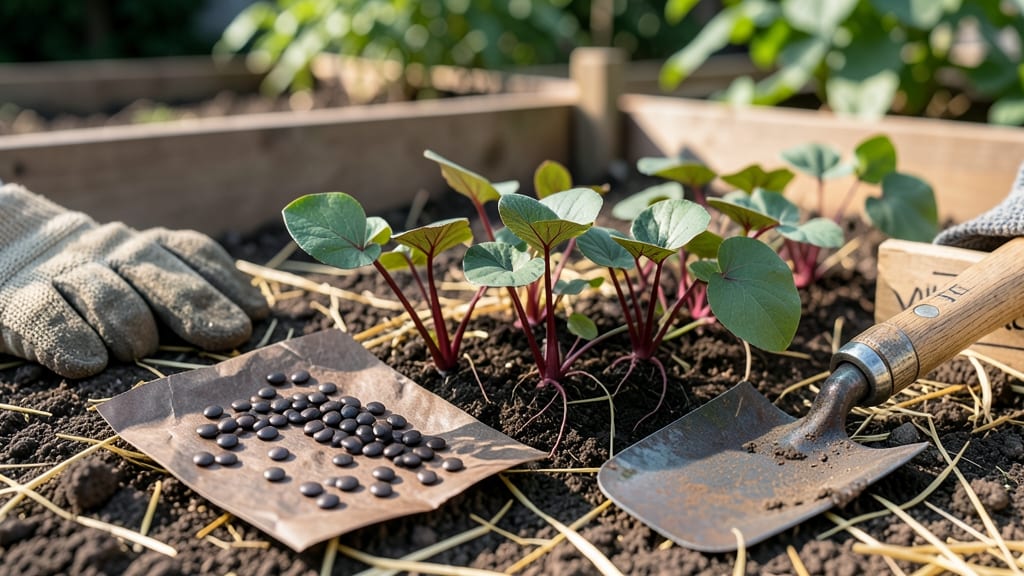
When to plant beets in New Jersey isn’t just about luck—it’s about beating frost and summer heat. Plant too early, and freezing temps turn your crop to mush; wait too long, and your beets develop that dreaded woody texture. The key? Mastering NJ’s 6a-7b zone planting windows and soil temperature rules.
Most gardeners in New Jersey swear by early spring (March-April) for their first planting, but did you know fall is just as critical? With the right soil temp checklist, you can stretch your harvest into October—no frost damage required.
I’ll show you exactly when to drop those seeds for maximum yield.
We’re talking 2-3 weeks before your last frost date (usually mid-April) for spring, and mid-August for fall successions. But here’s the catch: your microclimate matters. Coastal NJ’s milder winters?
You’ve got more wiggle room. Inland areas? You’ll need to act faster. Let’s break it down so you never miss a planting window again.
Ready to grow beets that are crisp, sweet, and ready when you need them? You’ll learn how to time your plantings like a pro, avoid common NJ mistakes, and keep your garden productive from spring to fall. Let’s get those seeds in the ground!
NJ beet planting calendar: exact dates by soil temperature zones
New Jersey’s microclimates—from coastal sandy loam to inland clay-heavy soil—create wildly different planting windows for beets. Unlike generic guides, this schedule accounts for soil temperature thresholds (40°F+) and last frost dates that shift from March 15 in Cape May to April 15 in Sussex County.
Plant too early, and frost will blacken your seedlings; too late, and summer’s 90°F+ heat turns beets woody and bitter.
For spring planting, aim for 2–3 weeks before your area’s last frost. Coastal NJ gardeners can start as early as late February, while inland zones should wait until early April. Fall crops thrive when sown 8–10 weeks before first frost (mid-August for most of NJ).
Use this timeline to align your harvest with cool-season flavors and avoid bolting.
🌱
| Zone | Last Frost Date | Spring Planting Window | Fall Planting Window | Soil Temp Threshold |
|---|---|---|---|---|
| Coastal (Cape May, Atlantic City) | March 15 | Late February – Early April | Mid-August – Early September | 40°F+ |
| Central (Trenton, Newark) | April 1 | Early March – Mid-April | Late July – Mid-August | 40°F+ |
| Inland (Sussex, Morris) | April 15 | Mid-March – Early April | Early August – Late August | 45°F+ |
🌡️ Pro Tip: Use a soil thermometer to confirm temperatures—beets won’t germinate below 40°F.
If you’re succession planting for a continuous harvest, sow every 2 weeks from spring through early summer. For fall crops, prioritize heat-tolerant varieties like ‘Detroit Dark Red’ or ‘Golden’—they handle NJ’s late-summer humidity better than standard types.
Start seeds indoors in late June for transplants ready by early August.
🌿
For container gardening, coastal NJ’s milder winters allow year-round soil warmth. Use black plastic mulch to raise soil temps by 5–10°F, letting you plant 2 weeks earlier in spring or 2 weeks later in fall. Just avoid mulching until soil reaches 50°F—cooler temps can stunt germination.
💡
Watch for false springs—those 60°F warm spells in March that trick you into planting early. Beets sown too soon will bolt when temps drop back below freezing. Harden off seedlings for 7–10 days before transplanting, especially in windy coastal areas like Sandy Hook.
✂️
5 Critical soil conditions for beet success in New Jersey
New Jersey’s variable soil types—from sandy coastal areas to clay-heavy inland regions—can make or break your beet harvest. Unlike many vegetables, beets thrive in loose, well-draining soil with just the right balance of nutrients.
If your soil is too compacted or nutrient-poor, even perfect timing won’t guarantee sweet, tender roots.
Start by testing your soil pH, which should fall between 6.0 and 7.0 for optimal beet growth. NJ’s native soils often lean acidic (pH 5.0–6.0), so a simple home pH test kit (available at garden centers) will reveal if amendments are needed.
Lime raises pH, while sulfur lowers it—both can be worked into the soil 4–6 weeks before planting.
🌱 Critical Soil Conditions for NJ Beets
| Condition | NJ-Specific Requirement | Fix for Common Issues |
|---|---|---|
| pH Level | 6.0–7.0 | Add lime (raise) or sulfur (lower) |
| Drainage | Well-draining (no standing water) | Mix in compost or sand for clay |
| Organic Matter | 3–5% (1–2 inches compost) | Work in aged compost or leaf mold |
| Texture | Loamy (sandy-loam ideal) | Avoid heavy clay; amends with peat moss |
| Moisture Retention | Consistent (not soggy) | Mulch with straw to retain humidity |
For coastal NJ gardens (e.g., Cape May, Atlantic City), sandy soil drains too quickly, causing beets to bolt prematurely. Amend with 2–3 inches of compost or well-rotted manure to improve moisture retention.
Inland areas like Newark or Trenton, with clay-heavy soil, may need sand or perlite to prevent root rot.
Beets also need consistent moisture—never let the soil dry out completely, but avoid waterlogged conditions. A simple trick: Press your finger 1 inch into the soil. If it feels dry, it’s time to water. Morning watering (before 10 AM) minimizes fungal risks and keeps roots crisp.
One often-overlooked tip: Pre-sprout your seeds in damp paper towels for 2–3 days before planting. This gives them a head start in cooler NJ soils, ensuring faster germination even when soil temps hover around 45°F.
Just place the damp towel in a ziplock bag and store in a warm spot until sprouts appear.
Finally, mulch heavily after planting to regulate soil temperature and suppress weeds. Straw or shredded leaves work best—just keep mulch 2 inches away from stems to prevent rot. With these soil conditions met, your NJ beet patch will thrive from spring to fall.