
Plants
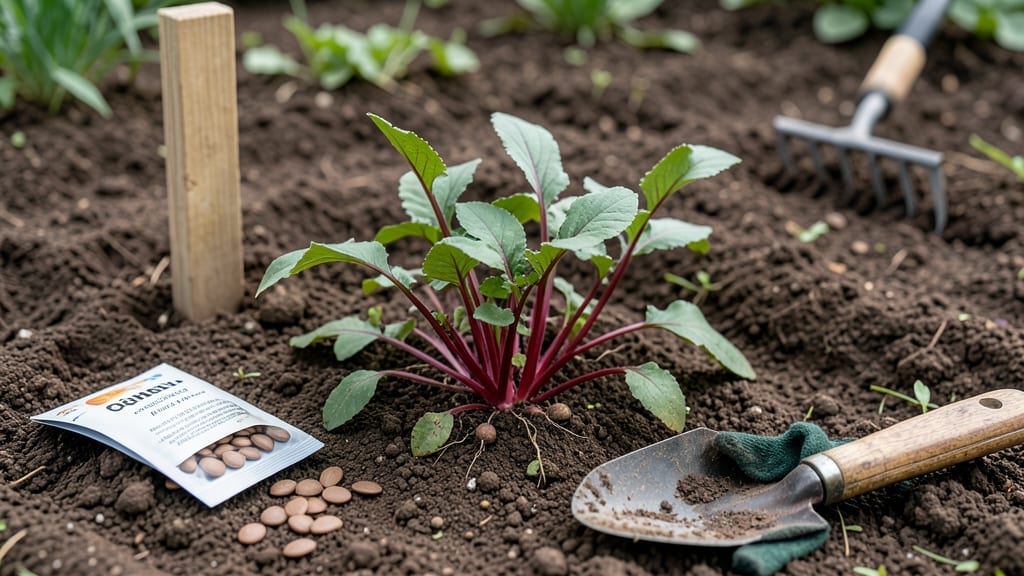
If you're wondering when to plant beets in Zone 7a, timing is the secret to growing sweet, tender roots instead of bitter or woody harvests. Zone 7a's mild climate gives you two perfect windows: early spring or late summer, each offering unique advantages for your garden.
Spring planting in March or April lets you beat heat stress, while fall sowing in August or September often produces sweeter roots before winter sets in. The key is understanding your last frost date—typically around March 15—and planning accordingly to avoid bolting or stunted growth.
I'll walk you through the exact planting schedule for both seasons, plus soil prep tips and how to extend your harvest. Whether you're a beginner or seasoned gardener, these strategies will help you maximize your beet yield without the guesswork.
Ready to grow beets that are rich in flavor and perfect for roasting or salads? Let's dive into the best times to plant 🍠 and keep your garden productive all season long.
Best spring planting times for beets in Zone 7A
Spring is the perfect time to plant beets in Zone 7A, but timing matters. Start too early, and you risk frost damage or slow germination. Plant too late, and your beets may bolt prematurely from the heat.
The key is to sow seeds when soil temperatures reach 45-50°F—warm enough for quick sprouting but cool enough to prevent bolting.
In Zone 7A, your last frost date is typically around March 15. Aim to plant your first batch of beets 4-6 weeks before that date. This means mid-to-late February for early varieties, giving them time to mature before summer’s heat sets in.
For a second planting, wait until late March to early April to avoid the hottest summer months.
Beets are cool-season crops, so they thrive when temperatures stay between 50-75°F. If you plant too early and face a late frost, use row covers or cloches to protect young seedlings.
Conversely, planting too late can lead to woody, bitter roots as they rush to mature before the heat peaks.
Here’s a quick rule of thumb: Count backward from your average first frost date. Beets take 50-70 days to mature, so your last planting window should be mid-June at the latest. This ensures you harvest before summer’s heat stresses the plants.
🌱 Spring Planting Comparison for Zone 7A Beets
| Planting Window | Soil Temp | Key Considerations | Yield Potential |
|---|---|---|---|
| Mid-to-Late February | 45-50°F | Risk of frost; use row covers | Moderate (early harvest) |
| Late March-Early April | 50-60°F | Ideal for sweetest roots | High (main harvest) |
| Mid-June (for late harvest) | 60-70°F | Risk of bolting; harvest quickly | Low (smaller roots) |
🌱 Best Window: Late March-Early April for peak yields
For successive plantings, sow seeds every 2-3 weeks after your first batch. This ensures a continuous harvest from spring through early summer. Choose bolt-resistant varieties like 'Detroit Dark Red' or 'Golden' for better heat tolerance if you’re planting late.
Pro tip: Test your soil temperature before planting. Use a soil thermometer to check depths of 2-4 inches. If it’s below 45°F, wait a week or two. Cold soil delays germination, and you’ll end up with patchy, uneven seedlings.
Once your beets sprout, thin them to 2-3 inches apart to prevent competition. This step is crucial—crowded beets grow small and misshapen. Use sharp scissors to avoid disturbing roots, and compost the thinnings for a nutrient boost elsewhere in your garden.
Water consistently after thinning, keeping the soil moist but not soggy. Beets are drought-sensitive and will develop wooden, tough roots if stressed. Mulch around plants with straw or grass clippings to retain moisture and suppress weeds.
By following these spring planting guidelines, you’ll enjoy sweet, tender beets all season long—no bitter surprises here! 🌱
Best spring planting times for beets in Zone 7A
Spring is the most popular time to plant beets in Zone 7a, but timing matters more than you might think. The ideal window starts as soon as the soil reaches 45°F (7°C), which is typically mid-March in most areas.
Planting too early in cold soil can slow germination, while waiting too long risks bolting before roots mature.
For the sweetest harvests, aim to sow seeds 4-6 weeks before your last frost date—usually around March 15 in Zone 7a. This gives seedlings enough time to establish before summer heat sets in.
Early spring plantings (late February to early March) work if you use row covers to protect tender sprouts.
If you miss the early window, don’t worry—you can still plant through mid-April. Just be prepared to harvest quickly before temperatures climb above 75°F (24°C), which triggers bolting (flowering). Succession planting every 2 weeks ensures a steady supply of fresh beets all season.
| Planting Window | Soil Temp | Key Considerations | Harvest Window |
|---|---|---|---|
| Late February - Early March | 45-50°F (7-10°C) | Use row covers; slow germination | May - Early June |
| Mid-March - April | 50-60°F (10-15°C) | Best balance; avoid bolting | Late May - July |
| Late April (succession) | 60-70°F (15-21°C) | Harvest quickly; risk of bolting | June - Early July |
To maximize success, prepare your soil by amending it with compost and a balanced fertilizer (5-10-10) before planting. Beets thrive in loose, well-draining soil with a pH between 6.0 and 7.0.
Avoid fresh manure, which can cause forking roots. Plant seeds ½ inch deep and thin seedlings to 2-3 inches apart once they’re 2 inches tall.
One common mistake is overcrowding seedlings, which leads to competition for nutrients. Thin carefully to avoid disturbing roots. Mulch with straw or grass clippings to retain moisture and suppress weeds.
Consistent watering—1 inch per week—is critical, especially during dry spells. Avoid overhead watering to prevent fungal diseases like leaf spot.
Pro tip: If you notice your beet greens flowering (bolting) too early, it’s a sign of heat stress. Provide afternoon shade with shade cloth or harvest smaller roots sooner.
With the right timing and care, your spring-planted beets will reward you with sweet, tender roots perfect for roasting or salads 🍠.