
Plants
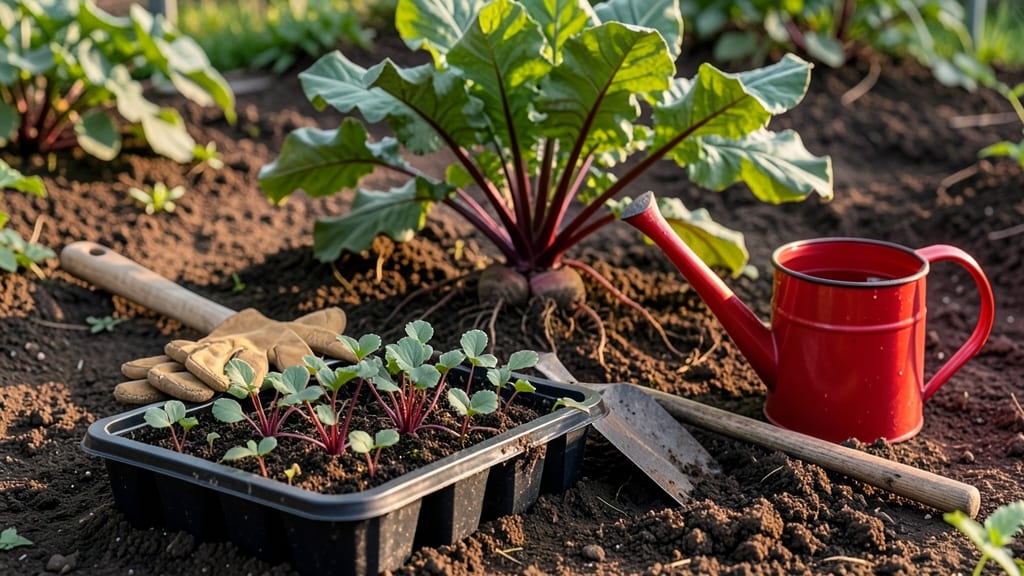
If you’ve ever bitten into a beet that’s tough, woody, or bitter, you know when to plant beets in Arizona makes all the difference. The key to sweet, tender 🍠 harvests isn’t just luck—it’s timing your seeds for cooler months when the desert heat won’t turn them into fibrous disappointments.
Here’s the secret: Arizona’s 9b climate lets you plant beets twice a year—fall and spring—with September to November and February to March being your sweet spots. Whether you’re in Phoenix or the high desert, avoiding summer’s scorching temps is the game-changer for flavorful roots.
I’ll break down the exact soil prep tips for Arizona’s sandy soils, the best heat-tolerant varieties like ‘Detroit Dark Red,’ and how to stretch your harvest through winter. No more guesswork—just delicious, homegrown beets.
Ready to grow beets that taste like they came from a farmers’ market? Let’s dive into the perfect planting schedule for your Arizona garden.
Best fall planting times for Arizona beets: avoiding heat stress
Arizona’s fall season is your golden window for growing sweet, tender beets—but timing is everything. Plant too early, and you’ll battle summer heat; too late, and your harvest shrinks before winter.
The ideal soil temperature for beet seeds is 60–75°F, which aligns perfectly with September through November in most of Arizona’s USDA Zone 9b.
In Phoenix and low-desert areas, start sowing seeds late August to early September for a jump-start. For high-desert regions like Flagstaff, wait until mid-September to avoid early heat spikes.
The key? Beat the 90°F+ days—beets bolt (go to seed) when stressed by heat, turning sweet roots into tough, bitter disappointments.
| Stage | Action | Notes |
|---|---|---|
| Soil Prep (Aug) | Test pH (6.0–7.0) | Arizona soils are alkaline; amend with compost |
| Sowing (Sept) | Direct seeds ½" deep | Space 2–3" apart; thin to 3–4" |
| Thinning (Oct) | Remove weak seedlings | Use scissors to avoid disturbing roots |
| Harvest (Nov–Dec) | Pull at 1–3" diameter | Mulch with straw to retain moisture |
To extend your harvest through winter’s mild Arizona temperatures, use row covers or cold frames after the first frost risk (though Zone 9b rarely sees frost). This protects tender greens and keeps roots sweet.
For late fall plantings (October–November), choose heat-tolerant varieties like ‘Detroit Dark Red’ or ‘Cylindra’—they handle cooler soils better than delicate types.
Pro tip: Succession plant every 2 weeks in September for a continuous harvest. Sow a final batch in early November for overwintering beets—just add a thick mulch layer (4–6 inches) to insulate roots from temperature swings. With this strategy, you’ll enjoy fresh beets from October through March.
Watch for bolting signs like elongated stems or yellowing leaves—this means your beets are stressed by heat or drought. If you spot it, harvest immediately or provide shade cloth (30–50%) to cool the soil. Bolting beets lose their sweetness fast, so act quickly!
For container gardening, use deep pots (12" minimum) filled with well-draining potting mix. Place containers in partial shade during peak afternoon heat (1–4 PM) to prevent soil overheating. Water containers daily in summer and every 2–3 days in fall—consistent moisture is critical for sweet roots.
Don’t let Arizona’s reputation for heat scare you off—with the right fall timing and soil care, you’ll grow beets that rival your favorite market finds. Next, we’ll tackle spring planting strategies to ensure another bumper crop before summer hits.
🌱
Spring planting strategies for sweet beets: cool-season secrets
Spring is your second chance to grow sweet, tender beets in Arizona—if you time it right. While fall planting is ideal, February to early March offers a perfect window to beat the summer heat.
The key? Start seeds when soil temps drop below 75°F and use shade cloth to protect young plants from sudden desert warmth.
I’ve learned the hard way that planting too early—when daytime temps still flirt with 80°F—triggers bolting (premature flowering). Bolted beets become woody and bitter, ruining your harvest. The solution? Wait until average nighttime temps stay below 65°F, which in Phoenix typically aligns with mid-February.
Here’s my foolproof strategy: Sow seeds 4–6 weeks before your last frost date (though Arizona’s Zone 9b rarely sees frost, aim for late February). Use shade cloth (30–50%) for the first 2–3 weeks to mimic cooler conditions.
This trick has helped me extend my growing season by 4–6 weeks without bolting.
⚠️ Spring Planting Warning
Never skip hardening off seedlings! Direct-sowing is best, but if you start indoors, acclimate plants for 7–10 days before transplanting. Sudden exposure to Arizona’s intense sun shocks tender leaves, stunting growth.
Pro tip: Water seedlings deeply 2 days before transplanting to reduce stress.
For consistent harvests, practice succession planting every 2–3 weeks from February through March. This ensures a steady supply of baby beets (40–50 days) and larger roots (60–70 days) before summer’s heat sets in.
I’ve had great success with ‘Golden Beet’ and ‘Babybeat’ varieties—they mature faster and handle spring’s temperature swings better.
Watering is critical in spring. Deep, infrequent watering (every 3–5 days) encourages deep root growth, while shallow watering leads to bolting. Mulch with 2–3 inches of straw to retain moisture and keep soil temps stable.
Avoid overhead watering in the evening—wet foliage + warm nights = fungal risks.
By following these strategies, you’ll harvest sweet, vibrant beets from April through May—just as summer’s heat ramps up. The secret? Cool soil, shade protection, and patience pay off in flavor-packed roots.