
Plants
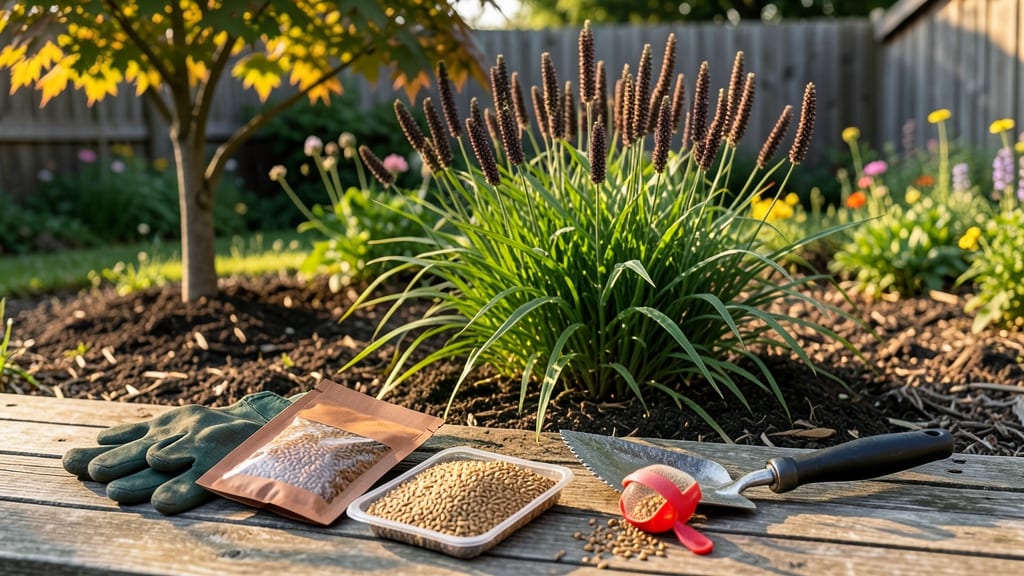
If you're planting brown top millet 🌾 to attract doves in Mississippi, timing is the game-changer between a thriving food source and a wasted effort. The wrong season means fewer doves and less hunting success, but getting it right transforms your fields into a dove magnet.
Mississippi's 8a climate gives you two prime windows: late spring and early summer, when soil warms up and doves are most active. Plant too early, and frost can ruin your crop; too late, and summer heat stresses the seeds before they mature.
I'll show you exactly when to plant for maximum dove activity—whether you're targeting spring or fall doves—and how to adjust for Mississippi's regional differences. No guesswork, just proven strategies to ensure your millet thrives when doves need it most.
Ready to turn your fields into a dove hotspot? Let's dive into the perfect planting schedule for your Mississippi location.
Optimal Mississippi planting windows for brown top millet: spring vs fall timing
Mississippi’s warm climate and long growing season make it ideal for brown top millet (Brachiaria ramosa), but timing is critical to ensure peak dove foraging. Planting too early risks frost damage, while late planting may not provide enough seed maturity for fall dove season.
Let’s break down the perfect planting windows for both spring and fall in Mississippi.
For spring planting, aim for late April to mid-May in most of Mississippi. This ensures the seeds germinate after the average last frost date (March 15) and before summer heat sets in.
In northern MS, wait until mid-May to avoid late spring frosts, while southern MS can plant as early as late March in sheltered areas.
🌾 Key Tip: Always check your local USDA Zone 8a frost predictions, as microclimates can shift planting dates by 1-2 weeks. Use a soil thermometer to confirm 60°F+ soil temps before planting—this is non-negotiable for germination.
| Planting Window | Soil Temp Requirement | Dove Season Alignment | Regional Adjustments |
|---|---|---|---|
| Late April - Mid-May | 60°F+ (15°C+) | Spring dove migration (April-June) | Northern MS: Delay to mid-May |
| Late July - Early August | 70°F+ (21°C+) | Fall dove season (Sept-Nov) | Southern MS: Can extend to Aug 10 |
| Early September (emergency) | 65°F+ (18°C+) | Late-season dove activity | Risky; prioritize established stands |
Fall planting is your best bet for peak dove hunting in Mississippi. Target late July to early August to ensure seeds mature by September, when doves begin their southward migration.
This window gives you a 90-day growth cycle before first frost (November 15), guaranteeing plump seeds for hungry doves.
In southern Mississippi, you can push planting to August 10 for a late-season harvest, but avoid planting after August 20—seeds won’t mature before frost. For northern counties, stick to July 15-31 to avoid early fall chills that stunt growth.
Pro Tip: Use a planting calendar to track your millet’s progress. Mark Day 60 (minimum maturity) and Day 75 (ideal harvest) from your planting date. This ensures you’re ready to mow or cut seeds at the perfect time for dove activity.
Mississippi’s humid subtropical climate means summer heat and humidity can stress young seedlings. Plant in light, well-draining soil and water deeply once a week until established. Avoid overhead watering to prevent fungal diseases like brown patch, which can devastate your millet stand.
For maximum dove appeal, aim for a mixed planting strategy: sow 50% in spring (for early-season doves) and 50% in late summer (for fall migration). This creates a continuous food source and keeps doves visiting your fields all season long.
Remember, brown top millet thrives in full sun—choose open fields with 6+ hours of direct sunlight daily. Shady areas will produce taller, weaker stems with fewer seeds, reducing dove foraging opportunities. Test your field’s sunlight exposure before planting to avoid disappointment.
With these precise planting windows, you’ll transform your Mississippi fields into a dove hunter’s paradise. The key is consistency: stick to the April-May or July-August schedule, and you’ll enjoy healthy millet stands and excellent dove hunting for years to come. 🌾
Optimal Mississippi planting windows for brown top millet: spring vs fall timing
Mississippi's humid subtropical climate creates two perfect windows for planting brown top millet (Brachiaria ramosa)—spring and fall—each offering ideal conditions for dove foraging. The key difference? Spring planting fuels summer dove activity, while fall planting ensures food availability during peak hunting season.
Let's break down the exact timing and conditions for each.
For spring planting, aim to sow seeds after your last frost date (typically mid-April to early May in most of Mississippi). Soil temperatures should reach at least 60°F (15°C)—use a soil thermometer to confirm.
In northern MS (USDA Zone 7b), wait until late April to avoid late frosts, while southern MS (Zone 8a) can start as early as mid-March in protected microclimates.
🌱 Mississippi Brown Top Millet Planting Summary
| Season | Planting Window | Soil Temp | Dove Benefit |
|---|---|---|---|
| Spring | Mid-April to early May | ≥60°F (15°C) | Summer foraging (June-Aug) |
| Fall | Late July to early August | ≥70°F (21°C) | Fall hunting (Sept-Nov) |
Fall planting requires more precision. Sow seeds between late July and early August to ensure mature seed heads appear by September, when doves begin their southward migration.
The Delta region can extend this window slightly later due to warmer microclimates, but avoid planting after mid-August—millet won't mature before frost in most areas. Use a planting calendar to track your local first frost date (typically November 15 in northern MS).
Both planting windows share critical soil preparation needs: till the soil to 6 inches deep, incorporate compost or aged manure, and ensure good drainage. Brown top millet thrives in sandy loam soils with a pH between 5.5 and 7.0.
Test your soil in early spring if planting for fall doves—amend with lime or sulfur as needed to avoid pH-related growth delays.
Pro tip: For maximum dove activity, stagger plantings by 2-3 weeks within each season. This creates a continuous food source as older millet dries while newer plants mature.
For example, plant half your seeds in early May and the remainder in mid-May for spring, or late July and early August for fall. This simple strategy extends the foraging window by 3-4 weeks.
Remember, Mississippi's summer heat (often exceeding 90°F) can stress young millet plants. If planting in late summer for fall doves, use shade cloth temporarily until seedlings establish roots, then remove it to promote robust growth before the first frost.
This small adjustment can mean the difference between thriving millet and stunted plants that fail to produce seed.