
Plants
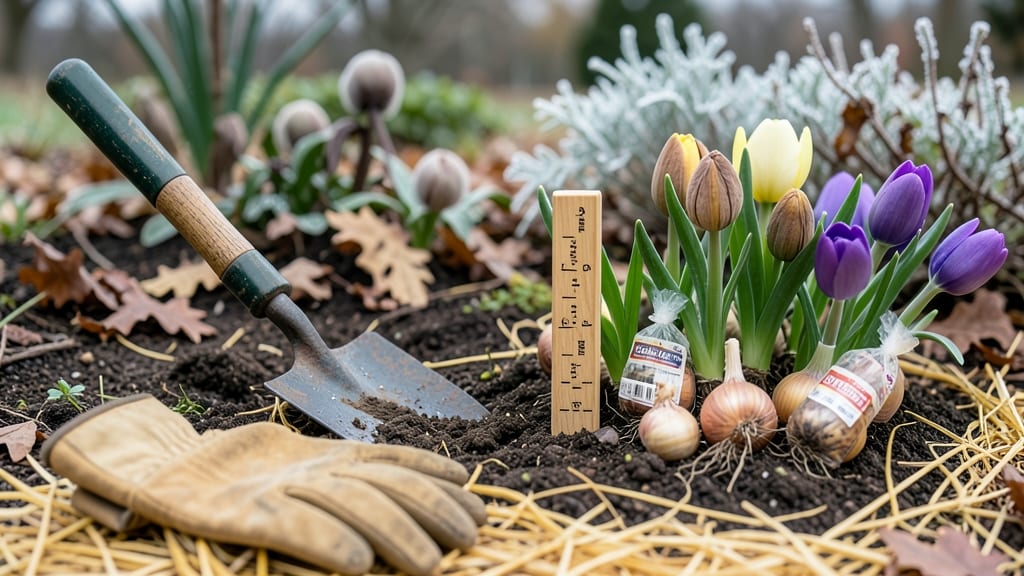
Timing is everything when it comes to planting bulbs in Zone 8, and getting it wrong could mean waving goodbye to those dreamy spring blooms before they even begin. The key to success lies in understanding your local climate—whether you're in 8a or 8b—and planting bulbs during their ideal windows.
For most gardeners in Zone 8, fall planting between October and November is the golden ticket to vibrant spring displays. This gives bulbs like tulips and daffodils time to root before winter sets in.
But what if you missed that window? Don’t worry—spring planting in February or March can still deliver stunning results with the right approach.
I’ve tested both methods over the years, and the difference between a thriving bulb bed and a flop often comes down to soil prep, depth, and variety selection. Let me walk you through the exact steps to ensure your bulbs take root and flourish, no matter when you plant them.
Whether you’re a seasoned gardener or just starting out, these insights will help you avoid common mistakes and maximize your chances of a show-stopping bloom season. Ready to dig in?
Optimal fall planting times for bulbs in Zone 8
In Zone 8, fall is the best time to plant most bulbs for spring blooms. The key is timing—plant 6-8 weeks before your area’s first frost, which typically falls between mid-November and mid-December in Zone 8.
For most of the region, this means October through early November is ideal.
Why fall? Cool soil temperatures help roots establish before winter dormancy, while warm days above ground allow bulbs to photosynthesize and store energy. This head start ensures stronger blooms next spring.
In Zone 8a (colder end), aim for early October planting, while Zone 8b (warmer) can extend planting until mid-November.
Before planting, prepare your soil by loosening it to a depth of 10-12 inches and mixing in compost or aged manure. Bulbs thrive in well-draining soil, so avoid heavy clay without amendment. A light application of bone meal (5-10-10 fertilizer) at planting time provides phosphorus for root growth.
Most bulbs—like tulips, daffodils, and hyacinths—should be planted 3 times deeper than their height. For example, a 2-inch-tall bulb goes 6 inches deep. Planting too shallow risks rot or frost heave, while planting too deep may delay blooming.
Here’s how to adjust for regional variations within Zone 8:
- Northern Zone 8a: Plant by October 15 to avoid early frosts.
- Southern Zone 8b: Extend planting until November 15 for warmer soils.
- High-altitude areas: Plant 2-3 weeks earlier due to cooler microclimates.
| Bulb Type | Ideal Planting Window | Depth | Spacing | Notes |
|---|---|---|---|---|
| Tulips | October–November | 6–8 inches | 4–6 inches apart | Plant in cool shade to prevent early blooming. |
| Daffodils | October–November | 6–8 inches | 6–9 inches apart | Deer-resistant; great for woodland gardens. |
| Hyacinths | October–November | 6 inches | 4–6 inches apart | Plant in full sun for best fragrance. |
| Alliums | October–November | 6–8 inches | 6–12 inches apart | Drought-tolerant; long-lasting blooms. |
| Crocuses | September–October | 3–4 inches | 3–4 inches apart | Early bloomers; great for lawns. |
After planting, water deeply to settle the soil and encourage root growth. Avoid overwatering, as soggy soil can cause bulb rot. Once foliage appears in spring, reduce watering slightly but keep the soil consistently moist until leaves yellow and die back.
One common mistake in Zone 8 is planting too late in fall, especially in cooler microclimates.
If you miss the fall window, don’t despair—many bulbs can also be planted in early spring (February–March), though they may bloom later or less vigorously. Spring-planted bulbs include dahlias, gladiolas, and rain lilies, which thrive in Zone 8’s warmer springs.
For long-term success, mark your bulb beds with stakes or flags to avoid disturbing them during winter. Over time, bulbs multiply and naturalize, creating low-maintenance perennial gardens. Just remember: never cut back foliage until it’s completely brown—this is how bulbs store energy for next year’s blooms!
Optimal fall planting times for bulbs in Zone 8
In Zone 8, fall is the golden window for planting most bulbs, ensuring they establish roots before winter dormancy. The key is timing—aim for 6-8 weeks before your first frost, which typically lands between mid-October and November for most of Zone 8.
For Zone 8a (cooler areas), start by late October, while Zone 8b (warmer) can extend planting until early December.
Why fall? Bulbs need cool soil temperatures to trigger root growth, but they can't handle freezing ground. Planting too early (like September) risks rot, while waiting too late (after frost) stunts root development. The 6-8 week rule balances these needs perfectly for spring-blooming bulbs like tulips and daffodils.
| Bulb Type | Ideal Planting Window | Soil Temp Goal | Depth |
|---|---|---|---|
| Tulips | Late Oct - Nov | 50-60°F | 6-8" |
| Daffodils | Oct - Early Nov | 55-65°F | 6" |
| Hyacinths | Nov - Early Dec | 50-60°F | 6" |
| Alliums | Oct - Nov | 55-65°F | 6-8" |
Before planting, prep your soil by loosening it to 12 inches deep—this mimics natural conditions and encourages root growth. Mix in compost or aged manure for nutrients, but avoid fresh manure, which can burn bulbs.
For well-draining soil, add perlite or coarse sand if your clay soil holds too much moisture.
Plant bulbs pointy end up, 3x deeper than their height (e.g., a 2-inch bulb goes 6 inches deep). Space smaller bulbs (like crocuses) 3-4 inches apart, while larger ones (daffodils) need 6-8 inches. After planting, water deeply to settle the soil and encourage root contact.
Mulch with 2-3 inches of straw or shredded leaves after planting to insulate bulbs from temperature swings. This protects them during winter chill (critical for flowering) but avoid piling mulch directly against bulb necks.
In Zone 8b, where winters are milder, you might skip mulch entirely for heat-tolerant varieties like rain lilies.
Remember: Spring-blooming bulbs need chill hours (300-450) to flower, so don’t rush planting. If you miss fall, wait for early spring (February-March) to plant summer-flowering bulbs like dahlias or cannas, which thrive in Zone 8’s warmth.