
Plants
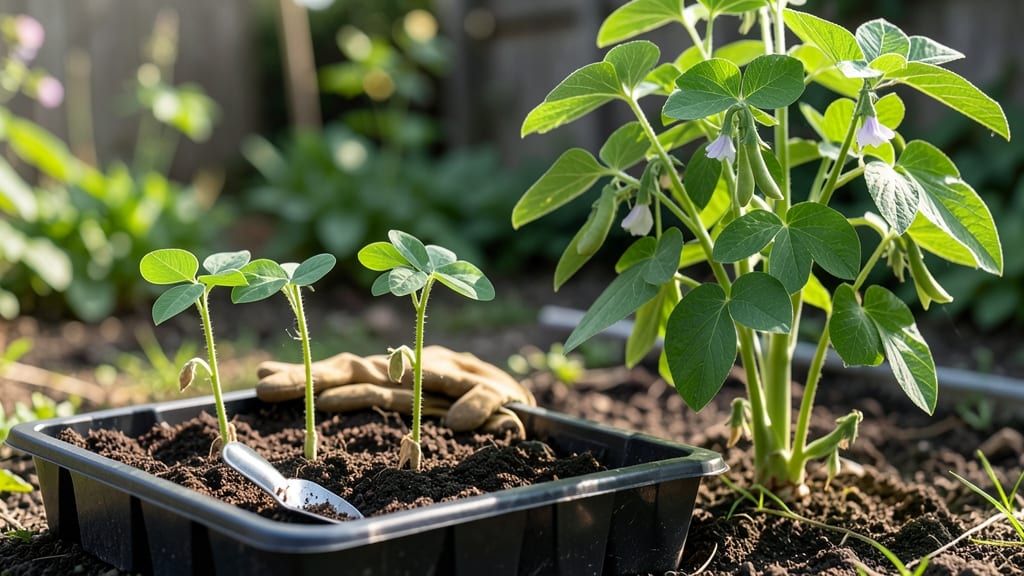
Timing your bean planting in Seattle isn’t just about the calendar—it’s about beating the unpredictable coastal chill that can turn your garden into a frost trap. With USDA Zone 8a and Seattle’s infamous rain, planting too early means slugs and cold soil, while waiting too long cuts your harvest short.
I’ve grown beans here for years, and the sweet spot is mid-April to early June after the last frost (usually around April 15), or late July for a fall crop. But coastal Seattle’s microclimates mean inland areas near Bellevue can plant 2-3 weeks earlier—so knowing your zone matters.
Whether you’re growing bush beans for quick harvests or pole beans to stretch your season, the key is soil warmth (at least 60°F) and avoiding the damp spring that invites pests. Let’s break down the exact windows and varieties that thrive here.
Ready to maximize your yield? I’ll show you how to time it perfectly—from frost dates to the best bean picks for Seattle’s short but productive growing season.
Seattle bean planting calendar: coastal vs inland frost-free dates
Seattle’s coastal fog and inland heat islands create wildly different planting windows for beans. While the average last frost date hovers around April 15, coastal areas like Ballard can linger 2-3 weeks later than inland spots like Kenmore.
Understanding these microclimates is key to avoiding frost damage and maximizing your 60-70 day harvest window.
For pole beans, which need longer growing seasons, timing is even more critical. Plant too early, and coastal chills will stunt growth. Plant too late, and you’ll miss the July-August harvest peak.
The solution? Use soil temperature as your guide—wait until it hits 60°F consistently, which typically aligns with mid-May for inland areas and late May for the coast.
| Location | Last Frost Date | Ideal Planting Window | Soil Temp Threshold | Harvest Window |
|---|---|---|---|---|
| Coastal (Ballard, West Seattle) | May 1-15 | Late May - Early June | 60°F+ (consistent) | July 20 - August 15 |
| Inland (Kenmore, Bellevue) | April 15-30 | Mid-April - Early May | 60°F+ (consistent) | June 20 - July 20 |
| Eastside (Redmond, Kirkland) | April 20-25 | Early May - Mid-May | 60°F+ (consistent) | June 25 - July 25 |
| South Seattle (Tukwila, Renton) | April 25-May 5 | Late April - Early May | 60°F+ (consistent) | June 15 - July 10 |
If you’re aiming for a fall harvest, Seattle’s second planting window opens in late July. This works especially well for bush beans, which mature faster (50-60 days).
By planting in July-August, you’ll avoid the first frost (around October 15) and enjoy beans into September or October.
For pole beans, which take 60-70 days to bear pods, the fall window closes earlier. Stick to fast-maturing varieties like Kentucky Wonder and plant by July 15 to ensure harvests before frost. Coastal gardeners should push this to July 20-25 for safety.
One Seattle-specific challenge is slugs, which thrive in the damp coastal climate. To protect your seedlings, use copper barriers or diatomaceous earth around planting holes.
Inland areas face less slug pressure but may struggle with powdery mildew if summers are too dry—water at the base of plants in the morning to prevent fungal issues.
Don’t forget about succession planting! For a continuous harvest, sow bush beans every 2 weeks from May to July. This works especially well in inland microclimates where the growing season is longer. Coastal gardeners can extend this into early August for a late-summer bounty.
For container growing, which is popular in urban Seattle, use black pots to warm soil faster. Place containers in south-facing spots and plant 2 weeks earlier than ground planting dates. Just ensure pots have drainage holes—beans hate soggy roots!
Track your local frost dates using the National Weather Service’s Seattle office or apps like PlantNet. These tools adjust for year-to-year variations in Seattle’s climate, helping you fine-tune your planting schedule.
Pro tip: Plant a few extra seeds in early May as a "test batch"—if they survive, you’ve got a head start on the season!
Remember, beans are sensitive to cold. Even if soil is warm, nighttime temps below 50°F can stunt growth. Use row covers for early plantings to create a 5-10°F warmer microclimate—this is especially helpful in coastal areas where fog lingers into June.
How to extend your bean growing season in Seattle’s cool climate
Seattle’s cool, damp springs and early autumn frosts can shrink your bean harvest window—but not if you use these proven tricks. With the right strategies, you can push harvests into late fall or even start earlier than the typical May-June window.
The key? Cold-hardy varieties, soil warming, and protective covers to outsmart Seattle’s unpredictable weather.
First, focus on fast-maturing varieties (like ‘Contender’ or ‘Blue Lake’) that can go from seed to harvest in 50-60 days. This gives you a safety net if unexpected frosts hit.
Pair these with pole beans, which climb and produce longer than bush beans, maximizing your late-summer harvests before the first frost in mid-October.
🌱 Did You Know? Seattle’s inland areas (like Redmond or Kenmore) often see 2-3 weeks earlier frost-free dates than coastal zones (like West Seattle or Bainbridge). Use this to your advantage—plant pole beans in early May inland for a July-August harvest, while coastal gardeners should wait until mid-May.
🔥 3 Proven Ways to Extend Your Bean Season
- 🌡️ Soil Warming: Use black plastic mulch or straw bales 1-2 weeks before planting to raise soil temps to 60°F+. This lets you plant 2-3 weeks earlier in spring.
- 🛡️ Row Covers: Lay floating row covers over young plants to protect from light frosts (28-32°F). Remove during the day for pollination, but keep them on at night until mid-June.
- 🌿 Fall Planting: Sow cold-tolerant varieties like ‘Provider’ or ‘Kentucky Wonder’ in late July for a September-October harvest. Use straw mulch to insulate roots from early frosts.
For coastal gardeners, slug baits and beer traps are a must—Seattle’s high humidity turns beans into a slug buffet. Place copper tape around beds or handpick slugs at dusk when they’re most active. Diatomaceous earth (food-grade) is another organic barrier that works well in damp climates.
If you’re container gardening, choose dwarf varieties like ‘Mascotte’ and place pots in south-facing windows or on heat-absorbing surfaces (like black-painted bricks). Move containers indoors at night if temperatures dip below 50°F to delay bolting.
Finally, succession planting every 2 weeks from May to July ensures a steady harvest instead of one big rush. Save seeds from your best-performing plants for next year—Seattle’s short growing season makes heirloom varieties a smart choice for replanting.