
Plants
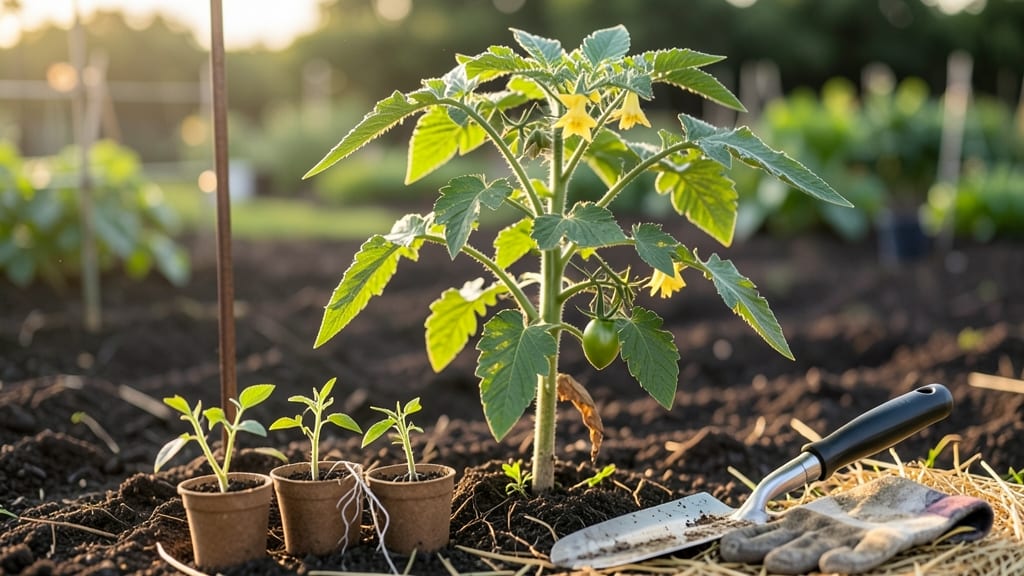
Timing when do you plant tomatoes in California isn’t one-size-fits-all—coastal fog and inland heat can shift your perfect window by months. Get this wrong, and you’ll either face frost damage or wilting vines before harvest.
The key? Matching your region’s microclimate to your variety’s needs, whether you’re in USDA Zone 9-10 or a high-desert area where frost is almost nonexistent.
If you’re along the coast—think San Francisco or LA—your planting window starts as early as February, but inland valleys like Sacramento wait until March to avoid late frosts. Desert growers in Palm Springs?
You’ve got a head start, with January being prime time. The difference comes down to soil temperature: aim for 60°F before sticking those seedlings in the ground.
Here’s what you’ll discover: how to adjust for your specific zone, whether to start seeds indoors or transplant seedlings, and the 3 common mistakes that ruin harvests—even for experienced gardeners.
We’ll also cover succession planting so you can keep the 🍅 tomatoes coming all season long, no matter where you live in the Golden State.
Ready to turn your backyard into a productive tomato patch? Let’s dive into the exact dates, soil prep tips, and heat tolerance tricks that’ll give you a bountiful harvest—without the guesswork.
California tomato planting dates by region: coastal vs inland timelines
California’s microclimates create dramatic differences in tomato planting times. Coastal areas like San Francisco and Los Angeles have cooler, foggy springs, while inland valleys like Sacramento and Fresno heat up quickly.
Desert regions such as Palm Springs offer early starts with minimal frost risk. Let’s break down the optimal planting windows for each zone to help you time your tomato seedlings perfectly.
For coastal California (USDA Zones 9-10), your planting window opens earlier than inland areas but closes sooner due to summer fog. Start indoor seeds in February and transplant outdoors by mid-March to April.
The last frost typically occurs in December-January, but coastal fog can delay soil warming. Use black plastic mulch to raise soil temperatures faster if needed.
Inland valleys (like the Central Valley) have warmer springs and longer growing seasons. Begin indoor seeds in March and transplant outdoors from late April to May. These areas enjoy 300+ frost-free days, allowing for succession planting every 2-3 weeks until mid-July for fall harvests.
Desert regions like Palm Springs and Riverside offer the earliest and longest tomato seasons. Start indoor seeds in January or direct-sow outdoors from February to March.
With no frost risk and intense summer sun, desert gardeners can grow heat-tolerant varieties like 'Solar Fire' or 'Heatmaster' year-round with proper shade.
🌱
| Region | Last Frost Date | Indoor Seed Start | Outdoor Transplant | Harvest Window | Key Varieties |
|---|---|---|---|---|---|
| Coastal (SF, LA) | Dec-Jan (rare) | Feb-Mid March | Mid March-April | May-October | 'Early Girl', 'Stupice' |
| Inland Valleys (Sacramento, Fresno) | Jan-Feb | March-April | Late April-May | June-November | 'Celebrity', 'Big Beef' |
| Desert (Palm Springs) | None | January-February | February-March | April-September | 'Solar Fire', 'Heatmaster' |
Choosing the right tomato variety depends on your region’s heat tolerance. Coastal gardeners should pick early-maturing varieties like 'Stupice' to avoid summer fog reducing yields. Inland growers can handle larger, beefsteak types like 'Big Beef' thanks to longer, hotter summers. Desert gardeners must select heat-resistant varieties that won’t splitting under intense sun.
To extend your harvest season, try succession planting every 2-3 weeks after your initial transplant. This works especially well in inland valleys where the growing season stretches into November.
For coastal areas, use row covers to protect plants from late spring frosts or summer fog, which can reduce pollination and fruit set.
If you’re unsure about your local frost dates, check the USDA Plant Hardiness Zone Map for your specific area. Many California counties fall into Zone 9 or 10, but microclimates—like urban heat islands or mountain foothills—can shift your ideal planting window by 2-4 weeks.
Always monitor soil temperatures with a soil thermometer; tomatoes thrive when soil reaches 60°F or warmer.
For container gardening, start seeds 4-6 weeks earlier than outdoor planting dates since pots warm up faster. Use heat-retentive materials like fabric grow bags or black plastic containers to maintain optimal soil temperatures. Place containers in south-facing locations to maximize sunlight exposure, especially in coastal foggy areas.
Pro tip: Direct-sowing outdoors is easiest in desert regions where frost isn’t a concern.
Simply plant seeds 1/4 inch deep when soil is 60°F+ and keep them consistently moist until germination (typically 7-14 days). Transplanting seedlings is better for cooler coastal zones to give young plants a head start indoors.
🌿
How to adjust tomato planting for microclimates and soil conditions
California’s microclimates can shift tomato planting windows by weeks, even within the same city. Urban gardens in San Francisco’s fog belt may need row covers in March, while a South Bay garden just 20 miles away can plant in February.
Always check your last frost date—coastal areas rarely see frost, but inland valleys can hit 32°F in winter.
For high-altitude areas (like Mount Shasta or Lake Tahoe), start seeds indoors 8-10 weeks before your target transplant date. These regions often have shorter growing seasons and cooler soils. Use a seedling heat mat to speed up germination if your nights dip below 50°F.
🌱 Key Takeaway
Soil temp >60°F is critical for tomato roots. Use black plastic mulch to warm soil 5-10°F faster in cooler zones. Test your soil’s pH (6.0-6.8)—acidic soil causes blossom-end rot.
If you’re gardening in sandy soil (common in Coachella Valley), mulch heavily to retain moisture—sandy soil drains too quickly.
For clay-heavy soil (like Sacramento’s Delta), amend with compost and perlite to improve drainage. Container gardening works well in urban areas; just ensure pots have drainage holes and use lightweight potting mix.
For desert regions (e.g., Palm Springs), plant early-maturing varieties like ‘Early Girl’ or ‘Solar Fire’ to avoid summer heat stress (above 90°F). Use shade cloth (30%) during peak afternoon sun to protect plants. Drip irrigation is a must—it delivers water directly to roots and reduces evaporation.
Adjust your planting depth based on soil type: bury stems deeper in sandy soil (extra support) and shallower in clay (prevents rot). Always water deeply before transplanting to reduce shock. Succession planting every 2-3 weeks extends your harvest—ideal for short-season areas.
Finally, watch for local wind patterns. Coastal areas often have salty winds that stress plants; use windbreaks (like bamboo fencing) to protect seedlings.
Inland valleys may face hot, dry Santa Ana winds—mulch and drip irrigation help mitigate stress. Monitor leaf curl (sign of heat stress) and provide afternoon shade if needed.