
Plants
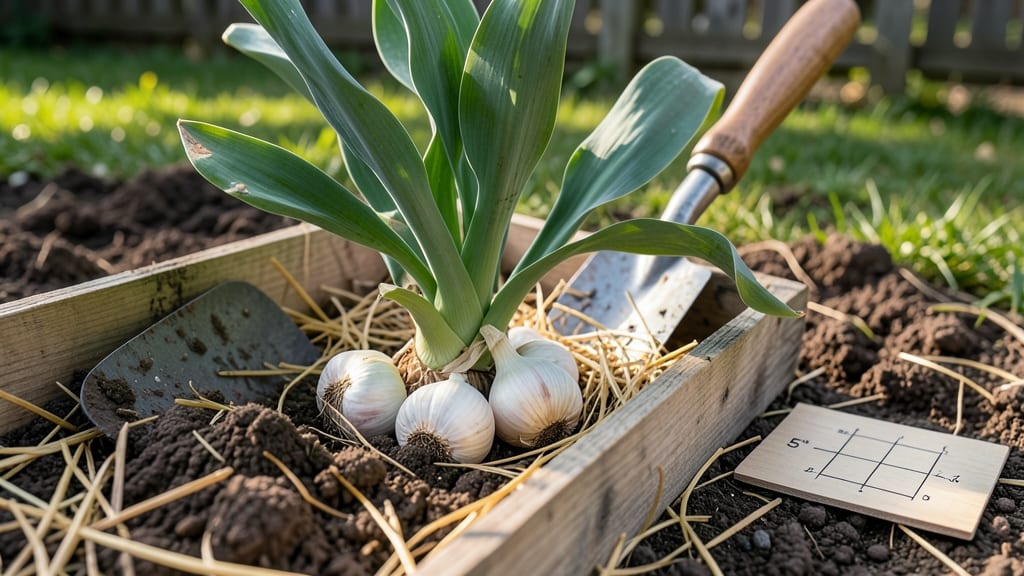
Timing your 🧄 garlic planting in California isn’t just about the calendar—it’s a high-stakes balance between coastal fog and inland heat that makes all the difference between plump bulbs and bitter disappointment.
With USDA Zones 9-10 across the state, gardeners face unique challenges: coastal areas like Santa Barbara enjoy milder winters, while inland spots near Sacramento need to act fast before the first frost. The October-January window exists for a reason, but getting it wrong can mean stunted growth or wasted effort.
In this guide, I’ll break down the exact planting windows for your specific region—whether you’re in foggy San Francisco or the Central Valley’s warmer climate. You’ll learn how to prep your soil, spot the warning signs of bad timing, and even extend your harvest season with clever tricks.
Ready to grow bigger, healthier garlic? Let’s dive into the secrets that separate successful harvests from disappointing ones.
California garlic planting zones: coastal vs inland timing differences
California’s diverse microclimates mean your garlic’s fate hinges on where you live. Coastal gardeners in San Francisco or Santa Barbara face milder winters and summer fog, while Central Valley growers (like those in Fresno) contend with hot summers and cold snaps.
These differences create a 4-6 week gap in ideal planting windows—get it wrong, and you’ll end up with small, pungent, or moldy bulbs instead of plump, flavorful harvests.
For most of California, the sweet spot is planting between October and January, but the exact timing depends on your USDA zone and local frost patterns. Coastal areas (Zones 9-10) can plant later, while inland zones (7-8) need to start earlier to avoid summer heat stress.
Let’s break down the critical windows and what makes each zone unique.
Soil temperature is the secret weapon for California garlic success. Aim to plant when soil temps consistently drop below 60°F—this triggers the vernalization process garlic needs to form bulbs. Use a soil thermometer to check; if temps fluctuate above 60°F, wait another week.
Inland zones like the Central Valley hit this threshold earlier (late September), while coastal areas may need to wait until mid-October.
Don’t let last frost dates fool you—California’s rare frosts (especially in coastal areas) rarely damage garlic, but soil temperature is far more critical. For example, San Francisco’s average last frost is February 15, but garlic planted in December will still thrive because the soil stays warm enough.
Meanwhile, Fresno’s December frosts (though light) can stress garlic if planted too late.
Your soil prep makes or breaks your harvest. Coastal gardeners should focus on drainage—heavy clay soils retain too much moisture, leading to rot. Mix in compost and perlite to loosen the soil.
Inland growers, on the other hand, need to retain moisture during hot summers; use straw mulch to lock in water and regulate soil temps. Desert gardeners? Shade cloth is your best friend to protect cloves from scorching summer sun.
Pro tip: If you’re in a transition zone (like the Bay Area’s East Bay), split your planting. Start with 20% of your cloves in early October and the rest by November 1.
This staggered approach ensures at least some bulbs mature perfectly, even if weather throws you a curveball. Think of it as insurance against climate whiplash.
Hardneck vs softneck varieties also play a role. Hardneck garlic (like ‘German Red’) thrives in colder inland zones and needs 40–60 days below 40°F to form bulbs. Softneck varieties (like ‘Artichoke’) are more forgiving for coastal areas where winters are milder.
Choose wisely—your altitude and microclimate matter more than the calendar.
One common mistake? Planting garlic too shallow. Bury cloves 2 inches deep, with the pointy end up. In sandy desert soils, you can plant slightly deeper (2.5 inches) to hold moisture, but in heavy coastal clay, shallow planting risks rot.
Space cloves 6 inches apart in rows 12 inches apart to allow airflow and reduce disease risk.
Finally, remember that California’s garlic season isn’t just one harvest. With the right timing and variety selection, you can stretch your harvest from June to August—or even grow a second crop in coastal areas. The key is understanding your zone’s unique rhythm and adjusting accordingly.
California garlic planting zones: coastal vs inland timing differences
California’s diverse microclimates mean your garlic planting window could span 6 weeks or more, depending on where you live. Coastal gardeners in San Francisco or Santa Barbara have a longer growing season, while Central Valley areas like Fresno need to plant earlier to avoid summer heat stress.
The key is understanding your last frost date and soil temperature thresholds—50–60°F is ideal for root establishment.
For most of California, fall planting between October and January yields the best results. However, coastal regions can push planting into early November, while inland desert areas may need to start as early as November 1.
The difference comes down to chilling requirements: hardneck varieties need 40–60 days below 40°F, while softneck types are more flexible.
| Zone Type | Ideal Planting Window | Key Climate Factors | Last Frost Date (Avg) | Soil Prep Tips |
|---|---|---|---|---|
| Coastal (Zone 9-10) | October 15–November 15 | Mild winters, summer fog, slower bulb formation | January 15–February 15 | Amend with compost; avoid heavy clay |
| Central Valley (Zone 7-8) | October 1–November 10 | Hot summers, cold winters, faster bulb development | December 1–January 10 | Raise beds for drainage; use straw mulch |
| Desert (Zone 8-9) | November 1–December 15 | Extreme heat tolerance; shorter growing season | January 1–February 1 | Plant in shade cloth; water deeply weekly |
If you’re in coastal California, aim for October 15–November 15 to avoid summer heat stress. The mild winters and summer fog create a slower-growing environment, so bulbs take longer to mature.
In contrast, Central Valley gardeners should plant by November 10 at the latest to ensure bulbs have enough time to vernalize (a cold period that triggers flowering).
For desert regions like Palm Springs or Indio, the window shrinks to November 1–December 15 due to intense summer heat. Here, using shade cloth and deep watering can extend the growing season slightly.
Remember, garlic needs 6–8 months to mature, so timing is everything—plant too late, and you’ll end up with small, pungent bulbs instead of plump, flavorful harvests.
Pro tip: Use a soil thermometer to confirm temps are consistently below 60°F before planting. This ensures your garlic gets the cold stratification it needs for optimal bulb development.
Coastal gardeners can sometimes push planting into early December, but inland areas should avoid this risk unless using hardier varieties like ‘German White’ or ‘Artichoke’. 🌱