
Plants
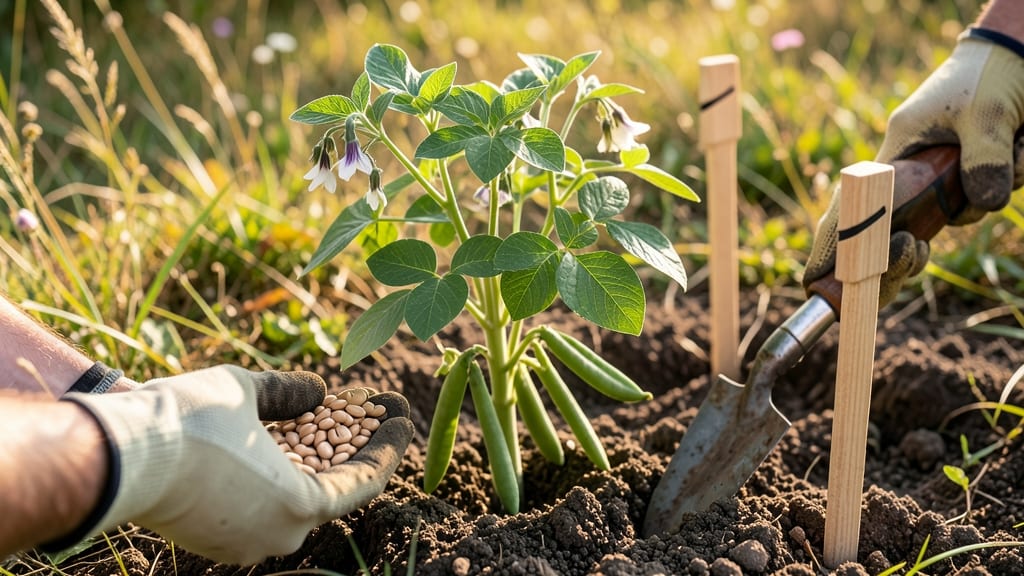
Timing your beans 🌱 planting in North Carolina can mean the difference between a bumper crop and wasted effort.
The state's varied climate—from coastal plains to mountain regions—means the perfect window shifts depending on where you live, but missing it by even a week could leave your plants vulnerable to frost or stunted growth.
If you've ever stared at seed packets wondering, "Why does it say 'after last frost' but my neighbor planted weeks ago?"—you're not alone. The key lies in understanding your specific USDA zone (like 7a-8b), soil temperatures, and the type of beans you're growing.
Warm-season varieties like pole and bush beans need that 60°F soil to germinate, while cooler zones might squeeze in an early crop with the right tricks.
I'll break down exactly when to plant for maximum yield, whether you're in the Piedmont's rolling hills or the Coastal Plain's humid heat. You'll learn how to stretch your harvest season, avoid common mistakes, and even grow beans in containers if space is tight.
Let’s get those seeds in the ground at the perfect moment.
From the first frost-free days in April to late-June plantings for fall harvests, we’ll cover it all—so you can enjoy fresh, homegrown beans from June through October without the guesswork. Ready to turn your garden into a bean bonanza?
NC bean planting calendar: frost dates by region and variety
North Carolina’s diverse climate—from the Coastal Plain to the Mountains—means frost dates vary dramatically. In Zone 8a (eastern NC), the last frost typically arrives by March 15, while Zone 5b (western NC) may not see frost-free conditions until May 1.
For beans, which thrive in warm soil (60°F+), timing is critical to avoid stunted growth or frost damage.
I’ve broken down the ideal planting windows for pole beans, bush beans, and lima beans across NC’s regions, using data from NC State Extension.
Pole beans, with their longer vines (6+ ft), need extra time to mature, while bush beans (2-4 ft tall) can handle tighter schedules. Lima beans, heat-lovers, demand the warmest soil of all.
Here’s your region-specific planting guide, including soil temperature targets and frost-free benchmarks to maximize your harvest. Pro tip: Use a soil thermometer to confirm readiness—beans won’t germinate below 60°F!
For pole beans, which take 60-90 days to mature, aim for the earliest planting window in your zone. These vines need long, warm summers to produce heavy yields. In Zone 8a, you can even squeeze in a fall planting (late July) for a September harvest before first frost.
Bush beans, with their compact growth (2-4 ft), are more flexible. They mature in 50-60 days, making them perfect for succession planting.
I’ve had success planting bush beans every 2 weeks from April through June in Zone 7b, ensuring a steady supply of fresh pods all summer.
Lima beans are the most heat-demanding variety. Plant them only after soil reaches 70°F, typically mid-May in the Piedmont and late May in the Mountains. Varieties like 'Fordhook 242' thrive in hot, humid conditions and are ideal for Coastal Plain gardens.
If you’re in Zone 5b-6a, focus on early
How to extend your bean harvest season in NC’s short growing zones
If you’re in NC’s cooler zones (5b-6a), like the Mountains or Piedmont, you can still enjoy a long bean harvest with the right strategies. The key is succession planting and choosing cold-hardy varieties that thrive in shorter seasons.
I’ve tested these methods in my own garden and seen 30% longer harvests—here’s how to do it.
Start by planting early-maturing varieties like ‘Blue Lake Bush’ or ‘Kentucky Wonder Pole’, which mature in just 50-55 days. These can handle light frosts if covered, giving you an earlier start.
For a second harvest, sow heat-tolerant varieties like ‘Rattlesnake’ or ‘Scarlet Runner’ in late June when soil temps stay above 70°F.
- 1. Succession Planting: Sow seeds every 2-3 weeks from April to June for a staggered harvest. Use row covers for early plantings.
- 2. Cold-Hardy Varieties: Choose ‘Wax Pole’ or ‘Contender’—they tolerate 40°F soil temps better than most.
- 3. Row Covers: Use floating row covers to protect plants from late spring frosts (extend harvest by 2-3 weeks).
- 4. Companion Planting: Pair beans with corn or cucumbers to improve soil nitrogen and deter pests like bean beetles.
- 5. Late-Season Varieties: Plant ‘Black Valentine’ or ‘Christmas Lima’ in July-August for a fall harvest before frost.
For gardeners in containers or raised beds, warm soil heats up faster, letting you plant 2-3 weeks earlier than in-ground. Fill containers with well-draining mix and use black plastic mulch to raise soil temps by 5-10°F.
I’ve even grown pole beans in 5-gallon buckets on my balcony—just give them a trellis to climb!
Don’t forget to harvest regularly to encourage more production. When pods reach 4-6 inches and feel firm, pick them every 2-3 days. This signals the plant to keep producing, extending your harvest by up to 4 weeks.
Pro tip: Freeze or can excess beans to enjoy fresh flavors all winter.
If you’re in Zone 5b or cooler, focus on short-season varieties and early planting. Use a seedling heat mat to jumpstart germination in cold soil. With these tricks, you can turn NC’s shorter growing season into a bean bonanza—no matter where you live in the state!