
Plants
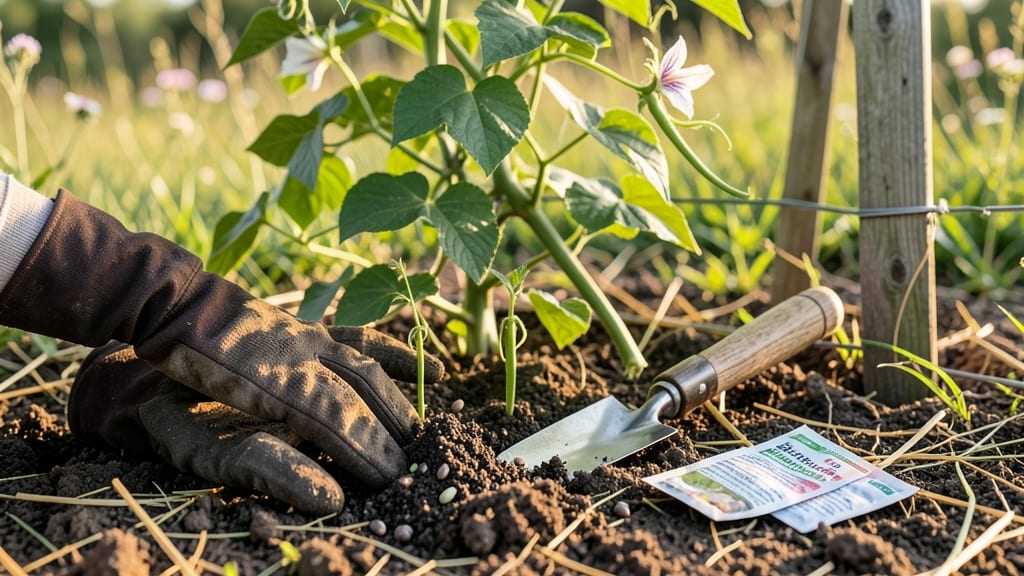
Knowing when to plant beans in Zone 6 isn't just about dates—it's about unlocking a harvest that tastes sweeter and lasts longer. The 2-week window after your last frost (usually mid-April) is your golden opportunity, but get it wrong, and you might end up with leggy plants or stunted pods.
I’ve learned the hard way that soil temperature matters just as much as the calendar.
Beans 🌱 thrive when the ground warms to at least 60°F, which in Zone 6 typically aligns with late April to early May. That’s why I always double-check with a soil thermometer—cold soil can delay germination by weeks.
But here’s the kicker: some varieties, like early bush beans, can handle cooler temps better than heat-loving pole beans.
What you’ll discover in this guide is how to time your planting for maximum yield, whether you’re direct-sowing seeds or transplanting seedlings. I’ll break down the best dates for your specific bean types, plus pro tips for adjusting if your spring runs hotter or colder than average.
Let’s turn your garden into a bean bonanza!
The key isn’t just planting—it’s planting smart. We’ll cover everything from companion plants that boost growth to signs your beans are ready to harvest (hint: it’s not when they look biggest). Ready to grow beans that outperform your neighbors’? Let’s get started.
Zone 6 bean planting timeline: exact dates based on frost-free windows
Getting your beans in the ground at the right time in Zone 6 is critical—plant too early and frost will kill tender seedlings, while waiting too long means missing the ideal growing window.
The key is aligning your planting with soil temperatures and last frost dates, which typically fall around April 15 in most of Zone 6. But don't just rely on dates; soil needs to warm to at least 60°F before seeds sprout reliably.
Most gardeners in Zone 6 aim to plant beans between mid-April and early June, with the bulk of sowing happening in May for optimal yields. This window ensures plants mature before summer heat or fall frosts cut the season short.
For pole beans, which take longer to produce pods, you'll want to start earlier, while bush beans can tolerate slightly later plantings.
Here’s a quick breakdown of the critical timeline for Zone 6 beans, including soil prep, planting, and harvest expectations:
| Stage | Action & Notes |
|---|---|
| Soil Prep | Test soil pH (aim for 6.0-7.0). Add compost to loosen soil and improve drainage. Avoid fresh manure. |
| Planting Window | April 15–June 1: After last frost and soil reaches 60°F+. Use black plastic mulch to warm soil earlier if needed. |
| Sowing Depth | Plant seeds 1 inch deep, 3-4 inches apart (rows 18–24 inches apart). Thin seedlings to 4–6 inches apart when they’re 2 inches tall. |
| Germination | Sprouts appear in 7–14 days if soil is warm. Keep moist but not soggy. Use row covers if nights are still chilly (50°F). |
| Harvest Ready | 50–70 days after planting (varies by variety). Harvest pods when firm and 4–6 inches long for best flavor. |
| Fall Backup | For late varieties, plant August 1–15 (if frost-free days remain). Use fast-maturing varieties (50 days) to harvest before first frost (Oct 15). |
If you’re in Zone 6a (colder end of the spectrum), err on the side of planting later—wait until May 1 to avoid late frosts. Conversely, in Zone 6b (warmer), you can start as early as April 1 if your microclimate is sheltered.
Always monitor your local Almanac’s frost predictions and adjust accordingly.
For pole beans, which need trellises and more time to mature, start planting by April 20 to ensure pods develop before summer heat stresses the plants. Bush beans, on the other hand, are more flexible and can handle later plantings up to June 1, though yields may taper off if planted after May 15.
Pro tip: Use biodegradable seed starter pots if your soil is still cold in early spring. They trap heat and help seedlings establish faster. Once soil warms consistently above 65°F, you’re golden—your beans will thrive! 🌱
Don’t forget to stagger your plantings every 2 weeks for a continuous harvest. This works especially well for heirloom varieties, which often have longer maturity times.
For example, plant a batch on May 1, another on May 15, and a final one on May 30 to enjoy beans from July through September.
One common mistake is assuming "after last frost" means you’re safe to plant. Soil temperature is the real indicator—use a soil thermometer to confirm it’s hit 60°F at a depth of 2 inches. Cold soil delays germination and can lead to weak seedlings.
If your soil is still chilly, opt for cold-tolerant varieties like Blue Lake Bush or Kentucky Wonder Pole, which handle cooler conditions better than others.
Finally, keep an eye on your local microclimate. Gardens in valleys or near large bodies of water may experience later frosts, while south-facing slopes or urban areas with heat islands can warm up faster.
Adjust your planting dates by 1–2 weeks based on your specific conditions. With the right timing, you’ll be picking fresh beans straight from the vine in no time! 🌿
How to adjust planting times for early vs late varieties of beans
Not all beans mature at the same pace, and in Zone 6, this difference can mean the gap between a short harvest window and a prolonged bounty.
Early varieties like Blue Lake or Contender (ready in 50-60 days) should hit the soil 2-3 weeks after your last frost date, typically around April 25-May 10 in most of Zone 6.
These quick growers thrive when planted early to capitalize on cooler spring soil temperatures (55-60°F) before summer heat sets in.
Late varieties such as Kentucky Wonder or Romano (maturing in 70-90 days) need a later start—aim for May 15-June 1—to avoid bolting (flowering too quickly) from Zone 6's summer heat.
Staggering plantings by 2-3 weeks between early and late varieties ensures a continuous harvest from July through September.
| Variety Type | Days to Maturity | Zone 6 Planting Window | Key Risk |
|---|---|---|---|
| Early (Bush/Pole) | 50-60 days | April 25-May 10 | Frost damage if planted too soon |
| Mid-Season | 60-70 days | May 1-15 | Overcrowding if all planted at once |
| Late (Pole) | 70-90 days | May 15-June 1 | Blight from summer humidity |
For pole beans, which take longer to produce edible pods, consider a second planting in early July if your first batch finishes before the first frost. This works best with heat-tolerant varieties like Rattlesnake or Scarlet Runner, which handle Zone 6's summer heat better than traditional green beans.
Just be sure to water deeply during dry spells to prevent blossom drop.
If you're growing heirloom or specialty beans, check their specific maturity dates—some, like Jacob's Cattle (a late-maturing pole bean), need 90+ days and should only be planted in late May.
These varieties often reward patience with larger pods and unique flavors, but they demand precise timing to avoid early frost cutting harvests short.
Pro tip: Use biodegradable seed starters or black plastic mulch to warm soil faster for early plantings. This can shave 1-2 weeks off your planting timeline, giving you an earlier start on the harvest. Just remove mulch once plants emerge to prevent overheating.
Remember, Zone 6's unpredictable weather means flexibility is key. Keep a planting journal to track your local frost dates and variety performance—this helps you refine your schedule year after year for maximum success. 🌱