
Plants
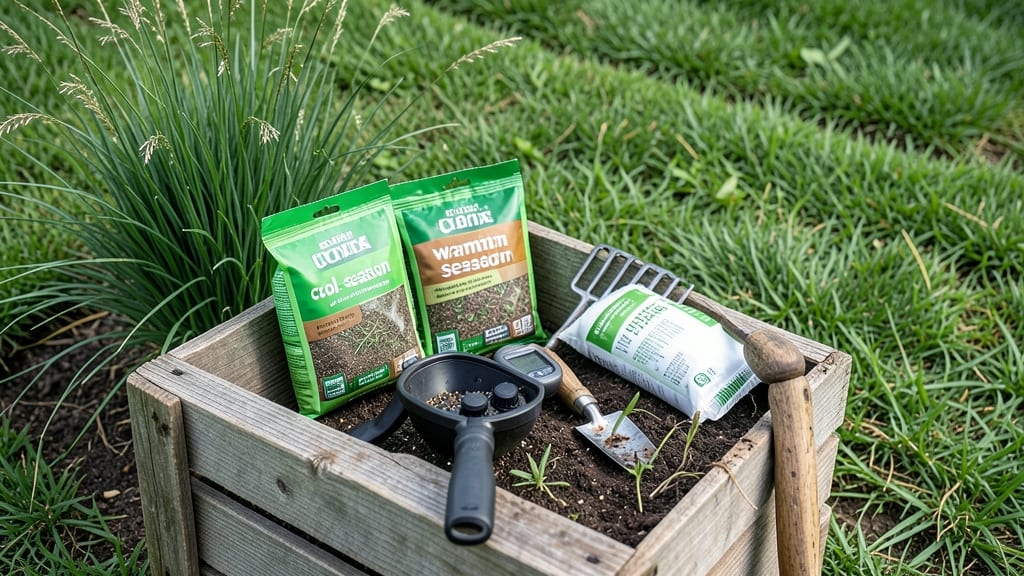
Timing your grass seed planting in North Carolina can make the difference between a lush, green lawn and months of frustration with patchy, uneven growth. The best time to plant isn't just about the season—it's about understanding how your region's climate affects germination.
Whether you're in the humid Coastal Plain or the drier Piedmont, getting this right means sooner germination and a stronger root system. I'll break down the exact windows for spring and fall planting, so you can avoid the common mistakes that waste both time and money.
From soil temperatures to rainfall patterns, we'll cover what you need to know to plant your 🌱 grass seed at the perfect moment. Let’s dive into the details so you can start seeing results in just a few weeks.
Ready to transform your lawn? The key is knowing when to act—and this guide will show you exactly how.
North Carolina grass seed planting deadlines by region: Coastal vs Piedmont timing differences
North Carolina’s diverse climate zones mean your grass seed planting deadline in Wilmington’s Coastal Plain can be weeks—or even months—different from Raleigh’s Piedmont region. The key difference? Soil temperatures and rainfall patterns shift dramatically between these areas, making timing everything for germination success.
Let’s break down the exact windows to plant for each zone.
In the Coastal Plain (Zones 7b-8a), where humidity lingers and summers stay warm, your ideal planting window stretches from mid-March to early April in spring and mid-September to early October in fall.
Meanwhile, the Piedmont (Zones 6b-7a)—think Raleigh and Greensboro—has cooler springs and hotter summers, so you’ll want to plant between late March and mid-April in spring and late August to mid-September in fall.
Why the difference? The Coastal Plain’s warmer soil (60°F and above) arrives earlier in spring, while Piedmont’s later frost dates push planting deadlines back. Miss these windows, and you risk heat stress or frost damage to tender seedlings.
Here’s the critical comparison you need to know:
| Factor | Coastal Plain (Wilmington, Zone 7b-8a) | Piedmont (Raleigh, Zone 6b-7a) |
|---|---|---|
| Spring Planting Window | Mid-March to early April | Late March to mid-April |
| Fall Planting Window | Mid-September to early October | Late August to mid-September |
| Soil Temperature for Germination | 60°F+ (earlier in spring) | 55°F+ (cooler, later start) |
| Rainfall Pattern | Humid, frequent showers | Drier, sporadic rain |
| Last Frost Date | February 15 (Zone 8a) | March 15 (Zone 6b-7a) |
| First Frost Date | November 15 (Zone 8a) | November 1 (Zone 6b-7a) |
| Best Grass Varieties | Bermuda, Zoysia (warm-season) | Tall Fescue, Ryegrass (cool-season) |
For Coastal Plain gardeners, the spring window is your best bet—plant too late, and the summer heat will stress seedlings. In the Piedmont, fall planting often yields thicker lawns because cooler temps reduce weed competition.
Pro tip: Use a soil thermometer to confirm temps are above 55°F before planting.
If you’re in Zone 6a (Mountains), like Asheville, aim for late April to early May in spring and mid-September in fall—these areas have the latest frost dates. Always check your local USDA Plant Hardiness Zone for precise timing.
Remember, seed selection matters just as much as timing. Warm-season grasses like Bermuda thrive in Coastal areas, while cool-season grasses like Kentucky Bluegrass do better in Piedmont’s cooler climate. Mixing varieties? Stick to one type per season to avoid competition.
Once you’ve nailed the timing, prep your soil 2-3 weeks ahead by tilling, removing weeds, and leveling the area. A light raking just before planting ensures good seed-to-soil contact—critical for 90%+ germination rates.
Keep the soil consistently moist (not soggy) for the first 3 weeks, and you’ll see sprouts in 7-21 days, depending on the variety.
🌱
5 Critical factors that determine grass seed germination success in NC (beyond just timing)
Even if you plant at the perfect time, your grass seed won’t thrive without the right conditions. I’ve seen 50% germination rates drop to just 10% when these factors are ignored. Let’s break down what truly matters beyond just timing.
First, soil temperature is non-negotiable. Grass seeds need soil that’s at least 55°F (13°C) for cool-season varieties and 65°F (18°C) for warm-season types. A soil thermometer is your best friend here—don’t guess!
Next, moisture consistency is key. Too little water means seeds dry out; too much causes rot. Aim for 1 inch of water weekly, applied in the morning to prevent fungal growth. My 💧 sprinkler runs for 20 minutes daily during germination.
Don’t overlook sunlight exposure. Most grasses need 6+ hours of direct sun daily. Shady spots? Opt for shade-tolerant varieties like fine fescue instead of forcing Kentucky bluegrass to struggle.
Your seed variety also plays a huge role. Cool-season grasses (like tall fescue) thrive in NC’s fall and spring, while warm-season types (like Bermuda grass) need summer heat. Match your seed to your climate zone!
Finally, pre-planting prep can make or break success. Till the soil to 2-3 inches deep, remove weeds, and add compost for nutrients. Skipping this step leaves seeds competing with weeds for resources.
Here’s what you must prioritize for the best germination:
Soil Temperature
Cool-season: 55°F+ | Warm-season: 65°F+
Consistent Moisture
1 inch weekly, morning watering only
Sunlight Needs
6+ hours daily for most varieties
Seed Variety
Cool-season: Fall/Spring | Warm-season: Summer
Pre-Plant Prep
Till soil, remove weeds, add compost
Pro tip: Test your soil pH before planting. Most grasses prefer a range of 6.0-7.0. If your soil is too acidic, add lime; if it’s alkaline, use sulfur. A simple test kit makes this easy!
By focusing on these 5 factors, you’ll see germination rates jump from 50% to 90%+—no matter what time of year you plant. Your lawn will thank you! 🌱