
Plants
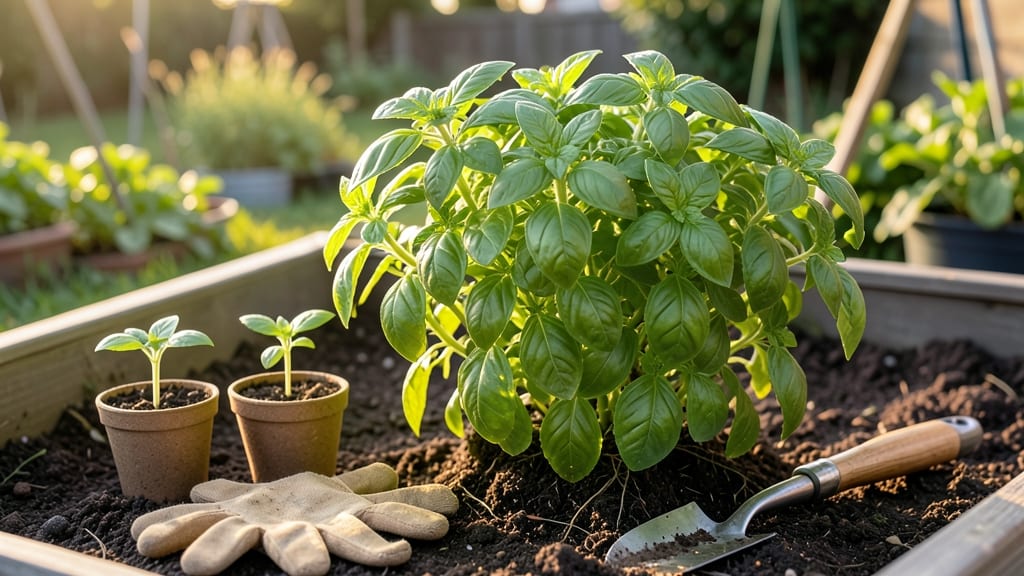
The perfect timing for planting basil in Virginia can make or break your herb garden—especially with the state’s unpredictable spring weather and 7a-8a heat zones. Get it wrong, and you might end up with leggy, bitter leaves instead of the fragrant 🌿 you crave for your favorite dishes.
Most Virginia gardeners know basil thrives in warm soil, but the exact window—typically April 15 to May 15—varies by region. Waiting until after the last frost (usually mid-April in most areas) is crucial, but there’s more to it than just dates.
Soil temperature, microclimates, and even whether you’re planting in containers or ground all play a role.
In this guide, I’ll break down the ideal planting windows for your specific zone, plus pro tips to extend your basil’s growing season. Whether you’re a first-timer or a seasoned gardener, these insights will help you avoid common mistakes and grow basil that’s bursting with flavor from June through October.
Ready to transform your garden? Let’s dive into the frost-free secrets that’ll keep your basil happy—and your kitchen stocked—all summer long.
Virginia’s frost dates & ideal basil planting windows by heat zone
Virginia’s USDA heat zones 7a-8a create a 10-14 day window for planting basil—critical for avoiding frost damage while maximizing growth. The last frost dates range from March 15 in southern Virginia to April 15 in the mountains, but wait until soil warms to 50°F+ for optimal germination.
Container-grown basil offers flexibility to start indoors in February and transplant after frost.
Your ideal planting window spans mid-April to mid-May across most of Virginia, with late May as a backup for northern regions. For fall harvests, sow seeds 8-10 weeks before first frost (typically late July to early August).
Always check your local Virginia Cooperative Extension frost maps for precise dates.
Basil thrives in full sun (6-8 hours/day) and well-draining soil with a pH of 6.0-7.0. In Virginia’s humid summers, prioritize air circulation to prevent fungal diseases like downy mildew. Choose Genovese or Sweet basil for classic flavors, or Spicy Globe for heat tolerance.
🌱
For container planting, start seeds 6-8 weeks before last frost indoors under grow lights or a south-facing window. Harden off seedlings by gradually exposing them to outdoor conditions for 10-14 days before transplanting. In-ground planting requires loose, fertile soil—amend with compost or aged manure to improve drainage.
Northern Virginia gardeners should opt for early-maturing varieties like Genovese (50 days to harvest) to beat summer heat. Southern Virginia’s longer growing season allows for succession planting every 2-3 weeks until mid-July for continuous harvests. Always space plants 12-18 inches apart to prevent overcrowding.
💧 Watering tip: Keep soil consistently moist (not soggy) during germination—dry soil causes seed failure. Use a mulch layer to retain moisture and suppress weeds.
If you miss the spring window, don’t despair—late summer planting (August) still yields harvests before frost. Choose heat-tolerant varieties like Thai basil or Lemon basil, which handle Virginia’s 90°F+ summers better than standard types. Just avoid planting after August 15 in northern zones.
✂️ Harvest hack: Pinch off flower buds to redirect energy to leaves—this extends your harvest window by 3-4 weeks!
Virginia’s frost dates & ideal basil planting windows by heat zone
Virginia’s USDA zones 7a-8a create a unique challenge for basil lovers—late frosts in spring and early frosts in fall demand precision timing.
The last frost date typically falls between March 15 and April 15, but mountain regions (like the Blue Ridge) can see frost as late as May 1. For coastal areas, frost risk drops by mid-April. Always check your local Virginia Cooperative Extension frost maps before planting!
Basil thrives in warm soil (minimum 50°F) and consistent temperatures above 55°F. Planting too early risks cold damage or stunted growth. In Virginia, the ideal planting window spans April 15 to May 15 for most regions.
For container gardening, you can start seeds indoors as early as late February to give seedlings a head start.
Here’s how Virginia’s three main heat zones affect your basil schedule:
| Zone | Last Frost Date | Ideal Planting Window | Soil Temp Threshold | Notes |
|---|---|---|---|---|
| 7a (Mountains) | May 1 | May 15–June 1 | 55°F+ | Cooler nights; use row covers. |
| 7b (Piedmont) | April 15 | April 30–May 15 | 50°F+ | Moderate humidity; watch for powdery mildew. |
| 8a (Coastal/Tidewater) | March 15 | April 1–April 15 | 50°F+ | Warmer soil; plant earlier. |
For container-grown basil, you can push the envelope slightly—plant 2–3 weeks earlier than in-ground plants since pots warm up faster. Just ensure your containers have drainage holes and use lightweight potting mix to prevent waterlogging.
If you’re in zone 7a, consider heat-loving varieties like Genovese or Thai basil, which tolerate Virginia’s summer heat better than standard sweet basil.
Don’t overlook late summer/fall planting! Basil can handle Virginia’s fall warmth until the first frost (typically mid-October). For a second harvest, sow seeds August 1–15 in containers or protected beds. Use black plastic mulch to extend soil warmth by 5–10°F, giving your basil extra growing time.
Pro tip: Test your soil temperature with a soil thermometer before planting. Basil roots struggle below 50°F, even if air temps are warm. If your soil is too cold, wait 1–2 weeks or use black plastic mulch to warm it faster.
🌱