
Plants
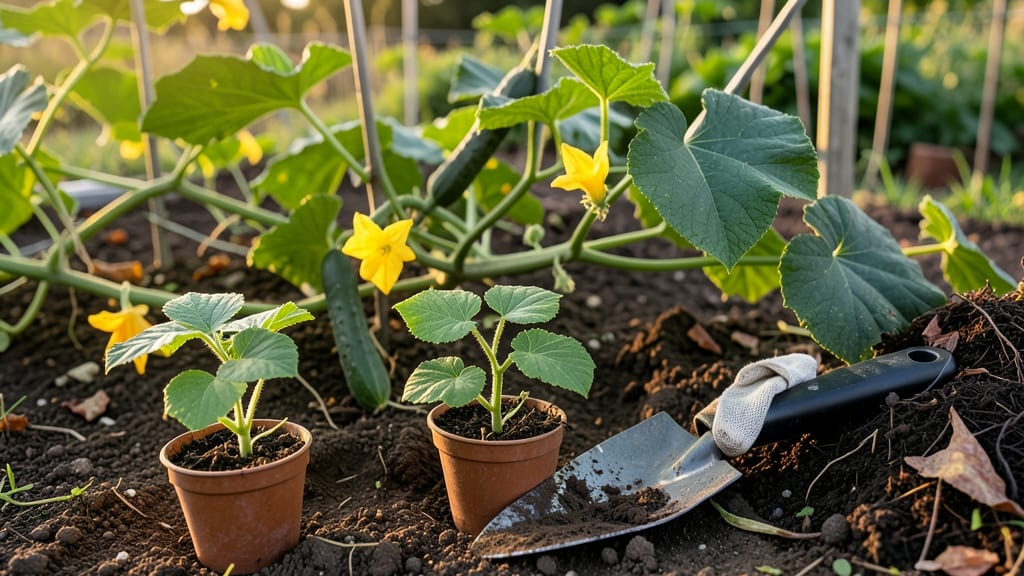
Timing your cucumber planting in West Virginia can feel like a guessing game—get it wrong, and you might end up with wilted vines or bitter fruit.
The key to success lies in waiting for that perfect window when soil temperatures hit 60°F and all frost danger has passed, typically between mid-April and early May.
I’ve learned the hard way that rushing cucumbers 🥒 into cold ground or planting too late in the season can turn a promising harvest into a disappointment. West Virginia’s USDA Zone 6a climate demands patience, but with the right approach, you can enjoy fresh cucumbers from June through September.
In this guide, I’ll walk you through the exact planting timeline, soil prep tips, and even container-grown options for small spaces. Whether you’re a seasoned gardener or just starting, these insights will help you avoid common mistakes and maximize your yield.
Ready to grow cucumbers that thrive? Let’s dive into the best practices tailored just for West Virginia’s unique growing conditions.
West Virginia’s ideal cucumber planting timeline by soil temperature & frost dates
West Virginia’s USDA Zone 5-7 climate means cucumbers thrive when planted after your average last frost date—typically between April 15 and May 15. However, soil temperature matters more than calendar dates: cucumbers need 60°F+ soil to germinate and 70°F+ for optimal growth.
In WV’s humid summers, timing is critical to avoid frost damage or heat stress.
Mountain regions (e.g., Monongahela National Forest) often experience frost 2-3 weeks later than river valleys (e.g., Charleston or Wheeling). Use a soil thermometer to confirm readiness—wait until the soil consistently reads 60°F+ before planting.
Black plastic mulch can warm soil faster by 5-10°F, helping you plant earlier in cooler microclimates.
🌱 West Virginia Cucumber Planting Timeline
| Region | Last Frost Date | Ideal Planting Window | Soil Temp Requirement | Notes |
|---|---|---|---|---|
| Northern Panhandle (Wheeling) | April 15 | Late April–Early May | 60°F+ | Warmer microclimate; use row covers for early starts. |
| Central WV (Charleston) | May 1 | Early–Mid May | 65°F+ | Moderate humidity; watch for powdery mildew. |
| Appalachian Mountains (Elkins) | May 15 | Mid–Late May | 70°F+ | Cooler nights; extend season with black plastic mulch. |
| All Regions (Container Gardening) | N/A | Late May–Early June | 60°F+ | Pots warm faster; ideal for balconies or patios. |
For direct-sown cucumbers, plant seeds ½ inch deep and 1 inch apart in rows spaced 3–4 feet apart. If starting indoors, transplant seedlings after soil temperatures stabilize at 60°F+ and harden them off for 7–10 days.
In WV’s high humidity, avoid overhead watering to prevent fungal diseases like powdery mildew.
If you’re in a high-elevation area (e.g., Davis or Tucker County), consider cold-hardy varieties like ‘Straight Eight’ or ‘Lemon Cucumber,’ which tolerate cooler soils better. These varieties can also handle late spring frosts if covered with frost cloth.
In low-lying river valleys (e.g., Huntington or Parkersburg), where summers are hotter, plant heat-tolerant varieties like ‘Marketmore 76’ or ‘Suyo Long’ to avoid heat stress. These varieties also resist cucumber beetles, a common WV pest.
Pro tip: Use a moon planting calendar to align cucumber planting with the waxing moon for stronger root development. In WV, this often falls in late April or early May, perfect for early planting.
For container gardening, choose 5-gallon pots with drainage holes and plant 1–2 cucumbers per container. Containers warm up faster, letting you plant 2–3 weeks earlier than in-ground. Place pots in full sun and water daily until established.
Remember: WV’s short growing season (165 frost-free days) means you’ll need to harvest by late September. Plan for succession planting every 2 weeks after your first planting to extend your harvest window.
🌱
How to extend your cucumber growing season in West Virginia’s short summers
West Virginia’s short growing season (about 165 frost-free days) means cucumbers need extra care to thrive. The key is balancing early planting with heat tolerance. Start seeds indoors 4-6 weeks before your last frost date (usually mid-April) to give seedlings a head start.
For direct sowing, wait until soil reaches 60°F+—typically late April to early May in most counties.
If your summer feels too brief, consider succession planting. Sow a second batch 6-8 weeks after your first planting to extend harvests into early fall. This works best in warmer microclimates, like river valleys (e.g., Charleston or Huntington), where heat lingers longer than in mountainous regions.
🌱 Extending Your Cucumber Season: Pros & Cons
- ✅ Longer harvest window
- ✅ More cucumbers early in season
- ❌ Higher risk of frost damage
- ❌ More pests (slugs, aphids)
- ✅ Avoids early pests
- ✅ Heat-tolerant varieties thrive
- ❌ Shorter harvest window
- ❌ Less time for vines to mature
- ✅ Extends harvests by 4-6 weeks
- ✅ Balances yield over time
- ❌ Requires more space/seeds
- ❌ Needs consistent watering
For high-elevation areas (e.g., Monongahela National Forest), use row covers to protect young plants from late frosts. Remove covers once flowers appear to prevent overheating. In lowland regions, prioritize shade cloth during peak summer (July-August) to prevent sunscald on fruits.
Choose heat-tolerant varieties like ‘Straight Eight’ or ‘Lemon Cucumber’ for WV’s summers. These varieties handle 90°F+ temperatures better than standard slicing cucumbers. Pair them with drought-resistant companions like beans or radishes to improve soil moisture retention.
Mulch with straw or black plastic to regulate soil temperature. Black plastic warms soil faster in spring, while straw keeps roots cool in summer. Both methods also suppress weeds, reducing competition for nutrients. Aim for a 2-3 inch mulch layer around plants.
Harvest frequently (every 2-3 days) to encourage continuous production. Stop harvesting by early September to let vines harden off before frost. Save seeds from your best cucumbers for next year’s early planting—this builds local resilience to WV’s unpredictable climate!