
Plants
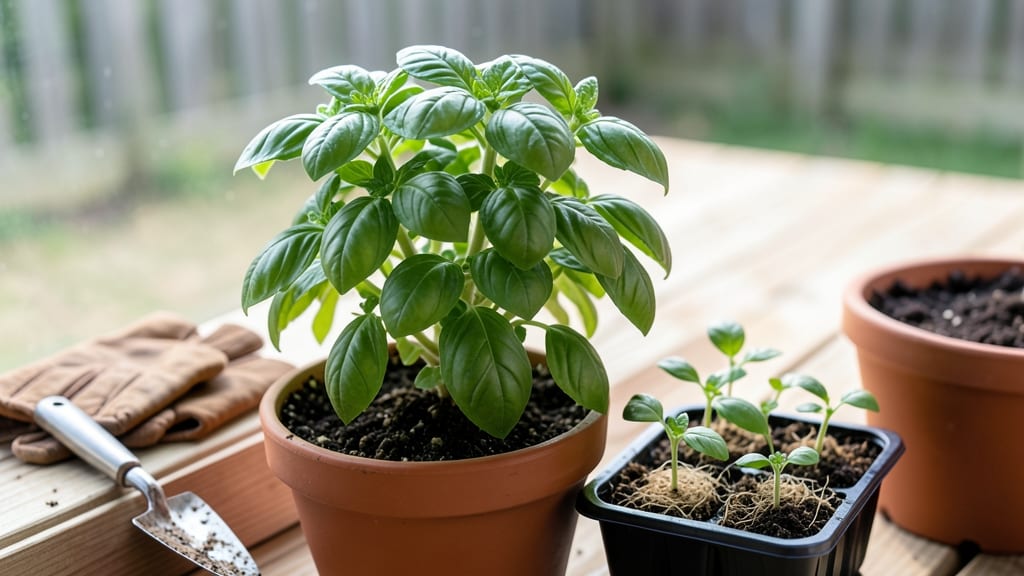
Timing your basil planting in Michigan right means the difference between a fragrant summer harvest and a sad, bolted plant before you even taste its first leaf. Michigan’s 5b-6b zones bring unpredictable springs, so knowing when to plant—after that last frost but before summer heat—is the key to success.
Basil thrives in warmth, so waiting until mid-April to early June gives your 🌿 plants the best shot at growing strong. Too early, and a late frost will shock them; too late, and you might miss the peak harvest window.
The secret? Monitor soil temperatures—once they hit 50°F, it’s safe to plant outdoors.
But what if Michigan’s weather throws you a curveball? Starting seeds indoors a few weeks earlier lets you transplant after the last frost, giving you a head start. And if you’re feeling ambitious, row covers can extend your harvest into fall—just don’t let those first frosts sneak up on you.
Ready to grow basil that’s flavorful and bountiful? Let’s break down the exact dates, soil tips, and tricks to keep your plants happy all season long—no guesswork required.
Michigan basil planting timeline: avoiding frost and heat stress
Michigan’s USDA zones 5b-6b mean last frost dates vary dramatically—from early April in southern Michigan to late May in the Upper Peninsula. Basil (Ocimum basilicum) thrives in warm soil, so planting too early risks frost damage or stunted growth.
The key is waiting for consistent soil temperatures above 50°F and nighttime temperatures above 55°F.
For southern Michigan (Detroit, Grand Rapids), aim for mid-April to early May after the last frost. In northern Michigan (Traverse City, UP), hold off until late May to early June.
Check your local Michigan State University Extension frost maps for precise dates—these can shift 1-2 weeks yearly due to climate variability.
Basil’s 60-90 day growth cycle means late plantings risk heat stress before harvest. Start seeds indoors 6-8 weeks before your region’s last frost, or sow directly after Memorial Day for a summer-long harvest.
Heatwaves above 90°F can cause basil to bolt prematurely, so afternoon shade may be needed in July.
🌱 Pro Tip: Use a soil thermometer to confirm 50°F+ soil temps before planting. Cold soil slows germination and invites rot diseases. Basil seeds need warmth to sprout—70°F+ is ideal.
| Region | Last Frost Date | Ideal Planting Window | Soil Temp Threshold | Heat Risk Period |
|---|---|---|---|---|
| Southern MI (Detroit, Ann Arbor) | Mid-April | Mid-April to early May | 50°F+ | July-August |
| Central MI (Lansing, Grand Rapids) | Late April | Late April to early June | 50°F+ | July-August |
| Northern MI (Traverse City, UP) | Late May | Late May to early June | 55°F+ | August-September |
Basil’s sensitivity to cold means even a light frost can kill young plants. If you’re eager to start early, use row covers or cold frames to protect seedlings until soil warms naturally.
In Zone 6b areas, consider container growing—pots warm faster and can be moved indoors if frost threatens.
For direct sowing outdoors, scatter seeds ¼-inch deep in well-draining soil with compost mixed in. Space seeds 12-18 inches apart—basil spreads as it grows.
In containers, use 5-gallon pots for each plant to prevent root competition. Overcrowding leads to poor air circulation and fungal diseases like downy mildew.
Monitor weather forecasts for late spring cold snaps, which are common in Michigan. If temperatures dip below 40°F, cover plants with frost cloth or move containers to a sheltered porch. Basil won’t survive frost, but young seedlings can recover if protected.
Once planted, mulch around the base with straw or shredded leaves to retain soil moisture and regulate temperature swings. Mulch also suppresses weeds, reducing competition for water and nutrients. In dry spells, water deeply in the morning to prevent evaporative stress.
By aligning your planting timeline with Michigan’s frost-free windows and soil temperature thresholds, you’ll give basil the optimal 60-90 day growing season it needs. This ensures flavorful leaves from June through September—just in time for summer tomatoes and fresh pesto!
Indoor vs. outdoor basil starting: Michigan-specific tips for seedlings
Michigan’s short growing season means timing your basil seedlings perfectly is key. Starting too early risks leggy, weak plants, while waiting too long cuts your harvest window short. I’ve learned the hard way—basil seedlings need 12-14 weeks indoors before transplanting to avoid stunted growth from Michigan’s unpredictable spring weather.
For most of Michigan, that means starting seeds indoors by early March if you want a full summer harvest. Seedlings need strong roots before facing late April or early May transplanting, when soil temperatures finally warm to 50°F+.
In the Upper Peninsula, push that timeline back another 2-3 weeks to account for cooler springs.
Indoor vs. Outdoor Basil Starting
Indoor Starting
- ✅ Longer harvest window (plant earlier)
- ✅ Stronger seedlings (hardier roots)
- ✅ Controlled conditions (avoid pests)
Outdoor Starting
- ✅ No transplant shock (direct sowing)
- ✅ Less work (no indoor setup)
- ❌ Shorter season (late starts risk frost)
If you choose outdoor sowing, wait until after Michigan’s last frost date (typically mid-May in southern regions but June in the UP). Direct sowing works best for succession planting in July—just be prepared for a shorter harvest before fall frosts hit.
I’ve had success with this method for late-season basil, but the flavor never matches my early-planted plants.
Hardening off seedlings is non-negotiable in Michigan. Start 2 weeks before transplanting by moving pots outside for 2-3 hours daily, gradually increasing exposure. Skip this step, and your basil will bolt from shock—trust me, I’ve seen it happen during May’s infamous late frosts.
Use shade cloth on sunny days to avoid leaf scorch.
For container growers, 6-inch pots work best for seedlings. Basil roots are shallow but spread quickly—crowded pots lead to weak stems. If you’re transplanting, space plants 12-18 inches apart in well-draining soil. Amend with compost to improve fertility, as Michigan’s clay-heavy soils can compact easily.
Pro tip: Mark your calendar for June 1st—this is my target transplant date in southern Michigan. By then, soil temps are consistently warm, and the risk of frost has passed.
In colder zones, aim for June 15th to be safe. Your basil will thank you with bold, flavorful leaves instead of bitter, stressed growth.