
Plants
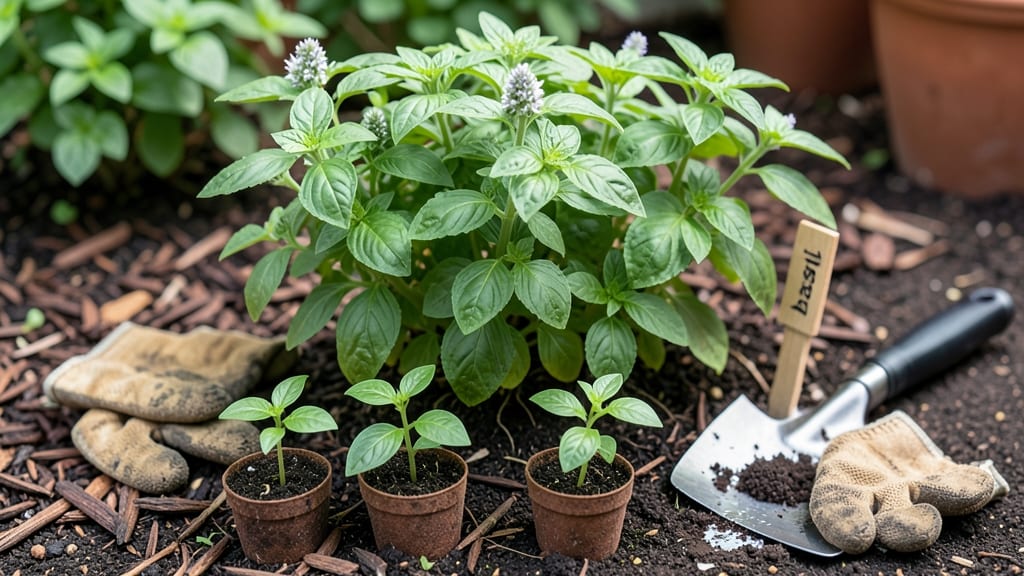
Timing your basil planting in Oklahoma isn’t just about checking a calendar—it’s about outsmarting the state’s unpredictable swings from frost to 90°F+ heat. Plant too early, and a late frost will wipe out your seedlings.
Wait too long, and your basil will bolt before you even get a harvest. For Heat Zones 7b-8a, the sweet spot is narrow but critical: late spring and early fall.
Most Oklahoma gardeners swear by two planting windows: March 15–April 30 for spring basil and September 1–October 15 for a fall crop. But here’s the catch—soil temperature matters more than dates. Wait until the ground warms to at least 50°F, and you’ll avoid stunted growth.
Urban areas like Oklahoma City may need to adjust by a week or two compared to rural spots with cooler microclimates.
Whether you’re starting basil from seeds indoors or buying transplants, this guide breaks down the exact steps to maximize your harvest.
We’ll cover when to harden off seedlings, how to protect them from Oklahoma’s infamous summer heat, and even how to trick your basil into producing longer with simple shade tricks. No more guessing—just a foolproof schedule for fresh, flavorful basil from May through October.
Ready to grow basil that thrives? Let’s dive into the perfect planting calendar, tailored to Oklahoma’s unique climate, so you can enjoy homegrown basil all season long—without the stress.
Oklahoma basil planting calendar: best months by heat Zone 7b-8a
Timing is everything when growing basil in Oklahoma’s Heat Zones 7b-8a. The last frost date typically falls around March 15, but soil temperatures must reach at least 50°F before planting.
In Zone 7b, you’ll have a slightly longer growing season than Zone 8a, where summer heat arrives earlier. Understanding these microclimates helps you avoid frost damage or heat stress.
For spring planting, start seeds indoors 6-8 weeks before your last frost date. In Oklahoma, this means mid-January to early February. Transplant seedlings outdoors after April 15 when nighttime temperatures stay above 50°F.
For fall planting, aim for September 1-October 15 to ensure a harvest before the first frost in mid-November.
Oklahoma’s unpredictable spring weather can delay planting, so always check the Oklahoma Mesonet for soil temperature updates. In Zone 8a, summer heat can arrive as early as late May, so plan to provide afternoon shade or use mulch to retain moisture.
| Season | Task | Zone 7b | Zone 8a |
|---|---|---|---|
| Spring | Start Indoors | Jan 15-Feb 15 | Jan 15-Feb 15 |
| Spring | Transplant Outdoors | April 15-May 15 | April 1-May 15 |
| Summer | Provide Shade | June-August | May-August |
| Fall | Direct Sow | September 1-October 15 | September 1-October 1 |
| Fall | Harvest Before Frost | October 15-November 15 | October 1-November 1 |
In Zone 7b, you can push your spring harvest until late October with a fall replanting. Use row covers to extend the season by 2-3 weeks if frost threatens early.
In Zone 8a, focus on early spring and late summer plantings to avoid the peak summer heat, which can cause bolting or leaf scorch.
For direct sowing outdoors, wait until after April 30 in both zones. Soil temperatures below 50°F slow germination, so use a seedling heat mat if needed. In Zone 8a, direct sowing in late summer (August) can yield a fall harvest before frost.
Always monitor local weather forecasts for unexpected cold snaps, especially in Zone 7b. A light frost can kill basil seedlings, so have row covers or a greenhouse ready.
In Zone 8a, summer heat is the bigger threat—mulch heavily to retain moisture and prevent heat stress.
If you miss the spring window, don’t worry! Basil thrives in Oklahoma’s fall weather, especially when planted in September. This fall crop often produces sweeter, more flavorful leaves as temperatures cool. Just be sure to harvest before the first frost, which typically hits mid-November.
Pro tip: Use container gardening to move potted basil indoors before frost. Place pots near a south-facing window or under grow lights to extend your harvest into winter months. This works especially well in Zone 8a, where winters are milder.
For maximum yield, plant basil in succession every 2-3 weeks during the spring and fall seasons. This ensures a continuous harvest and prevents overcrowding, which reduces airflow and increases disease risk.
How to extend basil’s growing season in Oklahoma’s heat
Oklahoma’s summer heat can turn your basil into a wilted mess if you don’t act fast. With temperatures often soaring above 90°F, basil bolts (stretches and flowers) or develops bitter leaves. The key is creating a cooler microclimate and managing water like a pro.
I’ve tested these strategies in my own Heat Zone 7b garden, and they’ve kept my basil thriving through July and August.
First, prioritize shade solutions during peak afternoon heat. Basil needs 6+ hours of sun, but too much midday intensity stresses it out. Try lightweight shade cloth (30-50%) draped over a hoop or trellis.
For container gardens, move pots to a spot that gets morning sun and afternoon shade—my Genovese basil in pots lasted 2 extra weeks this way.
- Shade cloth (30-50%) during 12 PM–4 PM to block intense rays.
- Drip irrigation set to run early morning (5 AM–7 AM) for consistent moisture.
- Mulch heavily with straw or wood chips to keep roots cool and retain moisture.
- Companion plant with taller crops (like tomatoes) to provide natural shade.
- Harvest aggressively to prevent bolting—pin flowers as soon as they appear.
Watering is where most gardeners fail. Basil’s roots need consistent moisture, but soggy soil causes root rot.
I use a drip system on a timer to deliver ½ inch of water every morning before 10 AM. If you’re hand-watering, focus on the soil base, not the leaves, to avoid fungal diseases like downy mildew—a common issue in Oklahoma’s humid summers.
Another trick? Prune regularly to encourage bushier growth. Snip the top set of leaves just above a pair of leaves whenever the plant gets leggy. This redirects energy to leaf production instead of flowering. I’ve seen basil plants double in size in 3 weeks with this method during hot spells.
For a second harvest in fall, start new seeds indoors in late July and transplant after the October 15 average first frost date. Use black plastic mulch to warm the soil faster in spring or extend warmth in fall.
My fall basil always outlasts my summer batches because the cooler air reduces stress.
Don’t let Oklahoma’s heat defeat your basil crop—with these adjustments, you can enjoy fresh leaves from May through October. The secret is treating heat as a manageable challenge, not a showstopper. 🌿