
Planting
When to plant a fall garden in Zone 7 can mean the difference between a thriving harvest and wasted effort. Plant too early, and your greens bolt in the summer heat; too late, and frost steals your hard work before you even taste the rewards. The sweet spot? Late summer to early fall, when soil temps drop below 80°F and days grow shorter—creating the perfect conditions for cool-season crops to flourish.
I’ve spent years perfecting my Zone 7 fall garden, and the key isn’t just when you plant—it’s understanding the subtle shifts in your local climate.
Whether you’re in Raleigh, Richmond, or somewhere in between, knowing your first frost date (usually mid-November) and adjusting for soil warmth will help you avoid common pitfalls like leggy seedlings or stunted growth.
In this guide, I’ll walk you through the exact planting windows for your favorite fall crops, from leafy greens to root vegetables, plus pro tips to extend your harvest well into winter. No more guesswork—just a step-by-step calendar tailored to Zone 7’s unique rhythm.
Ready to transform your backyard into a fall feast? Let’s dive into the month-by-month plan that’ll have you harvesting crisp lettuce, sweet carrots, and hearty kale long after your summer garden fades away.
Zone 7 fall planting calendar: exact dates for cool-season vegetables
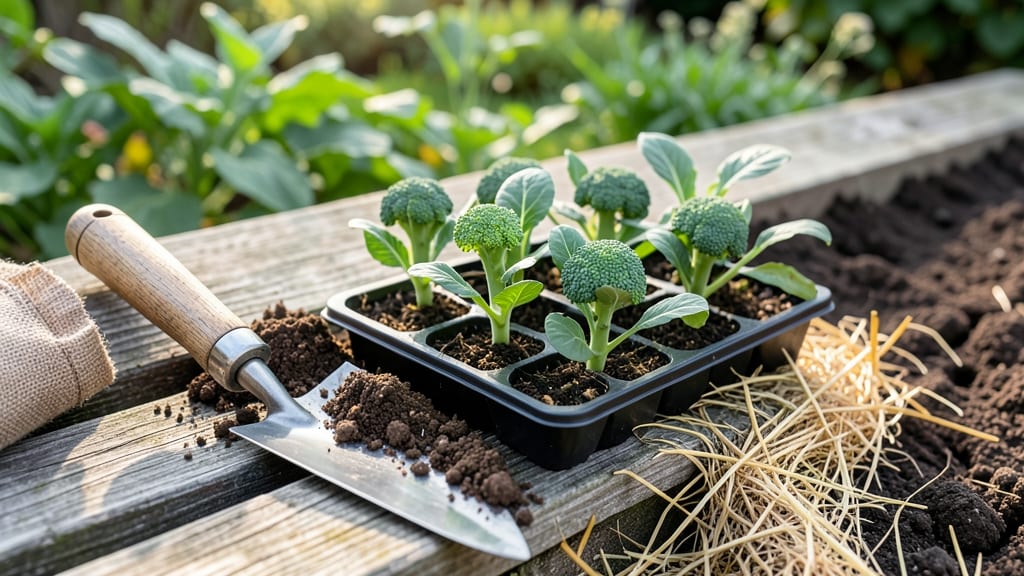
In Zone 7, your fall garden thrives when you plant cool-season crops like broccoli, kale, and carrots at the right time. The key is beating the first frost—typically around mid-November—while avoiding summer heat stress.
Start by checking your local last frost date and work backward from there.
Most cool-season vegetables need 60–90 days to mature, so timing is everything. For example, broccoli planted too early in August may bolt before harvest, while spinach sown in October could be ruined by early frost. Let’s break down the ideal planting windows for your Zone 7 garden.
| Crop | Seed Start (Outdoor) | Transplant Window | Harvest Time | Notes |
|---|---|---|---|---|
| Broccoli | Late July–early August | August–early September | October–November | Plant 60–75 days before frost |
| Kale | Mid-August–September | September–early October | October–December | Sweetens after frost; cold-hardy |
| Carrots | Late July–September | August–early October | October–November | Sow successionally every 2 weeks |
| Spinach | Late August–September | September–October | October–November | Bolt-resistant varieties preferred |
| Lettuce | Late July–September | August–early October | September–November | Use heat-tolerant varieties for late summer |
| Radishes | August–October | August–October | September–November | Fastest-growing; great for succession |
For herbs like cilantro and parsley, aim to sow seeds in late summer (July–August) for a fall harvest. These plants tolerate cooler temps but may bolt if exposed to lingering summer heat. Always choose cold-hardy varieties labeled for fall planting to maximize success.
Soil temperature is another critical factor. Most cool-season crops prefer soil temps below 80°F. Use a soil thermometer to check before planting—if temps are still high, wait a few weeks or use shade cloth to protect seedlings.
Pro tip: Mulch your fall garden with straw or shredded leaves to retain moisture and regulate soil temperature. This simple step can extend your harvest window by 2–4 weeks before frost hits.
If you’re new to fall gardening, start with fast-growing crops like radishes or lettuce. These give you quick wins while you learn the ideal timing for slower maturing plants like broccoli or Brussels sprouts.
Remember, succession planting is your best friend in Zone 7. Instead of planting everything at once, stagger your sowings every 2–3 weeks to ensure a continuous harvest. For example, plant a row of carrots in late July, another in early August, and a final row in September.
Finally, keep an eye on your local weather forecast. A late summer heatwave can delay planting, while an early frost might force you to rush. Flexibility is key—adjust your schedule as needed to protect your investment.
With this Zone 7 fall planting calendar, you’ll avoid the common pitfalls of bolting, poor germination, or frost damage. Happy planting—and enjoy that homegrown harvest! 🌱🍂
How to adjust your planting schedule for early vs. late fall harvests
Zone 7’s fall planting window is narrow—just 6–8 weeks before your first frost—but with the right adjustments, you can stretch harvests from early September to December. The key? Succession planting and choosing crops that thrive in cool temperatures without bolting.
I’ve learned that timing isn’t one-size-fits-all; it depends on whether you want a quick harvest or a prolonged one.
For an early fall harvest, focus on fast-maturing crops like radishes, spinach, and bush beans. These can be sown as early as late July, giving you edible greens by September. The trade-off?
They won’t last long—frost will hit before winter sets in. But if you’re craving fresh greens early, this is the way to go. Pro tip: Use row covers to buy a few extra weeks.
🌱 Numbered Highlights: Adjusting Your Fall Planting Schedule
- 1. Early Harvest Strategy: Plant fast growers (radishes, lettuce) in late July–early August for September harvests.
- 2. Mid-Season Stretch: Transplant broccoli, kale, carrots in mid-August for October–November harvests.
- 3. Late-Season Extenders: Sow spinach, peas, garlic in September for winter harvests (use row covers).
- 4. Soil Prep Tip: Amend soil with compost in July to improve drainage for fall crops.
- 5. Frost Watch: Monitor local frost dates—Richmond’s first frost is Nov 15, Raleigh’s Nov 10.
If you’re aiming for a late fall harvest, shift your focus to cold-hardy crops like kale, Brussels sprouts, and winter radishes. These can handle light frosts and even taste sweeter after a freeze.
Plant them in mid-to-late August so they mature by October or November. I’ve had great success with Brussels sprouts—they take 90+ days to mature, but their flavor is unbeatable after a frost.
One common mistake I see? Planting everything at once and expecting a long harvest. Instead, stagger your plantings every 2–3 weeks for a continuous supply. For example, sow a batch of carrots in early August, another in mid-August, and a final one in early September.
This way, you’ll have carrots ready to pull every few weeks until frost.
Don’t overlook row covers and cold frames—they’re game-changers for extending harvests. A simple floating row cover can add 4–6 weeks to your growing season by protecting crops from light frosts (down to 20°F).
I use them on spinach and lettuce in October, and they’ve saved my harvests more times than I can count.
Finally, pay attention to soil temperatures. Most cool-season crops prefer soil temps between 45–75°F. If your soil is still above 80°F in late August, wait a week or two before planting.
Use a soil thermometer—it’s a small investment that prevents wasted effort. Pro tip: Water your soil in the evening to help it cool down faster.