
Plants
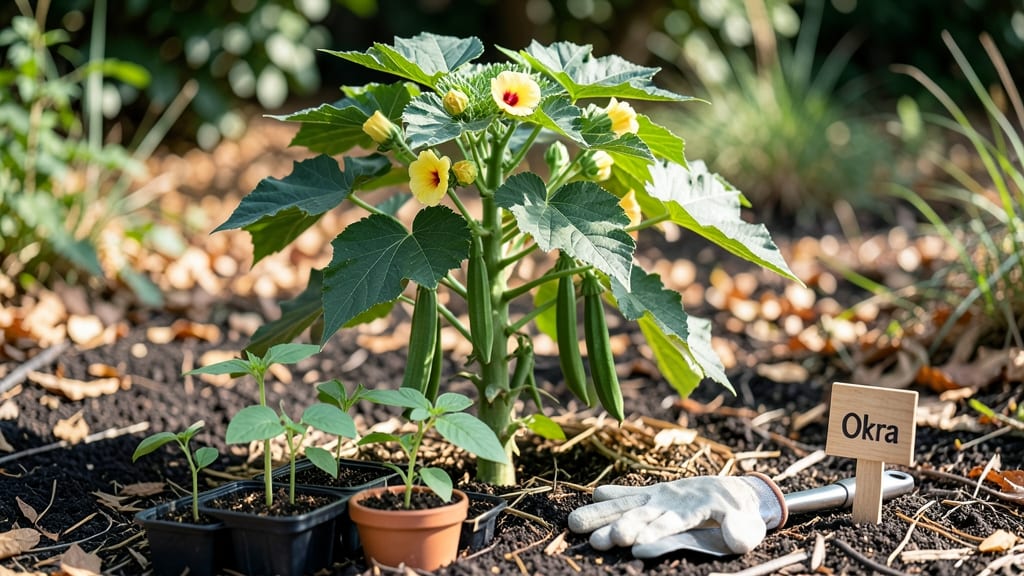
If you're dreaming of a bountiful okra harvest in Oklahoma, timing is your secret weapon—plant too early, and frost will nip your dreams in the bud; too late, and you’ll miss the sweet, tender pods that make okra so beloved.
The ideal window for planting okra in Oklahoma’s 6a-7b zones is between mid-April and early June, but there’s more to it than just dates.
Okra thrives in heat, but it’s a tender plant that can’t handle even a light frost. That’s why knowing your last frost date—and adjusting for Oklahoma’s unpredictable spring swings—is critical to success.
Whether you’re in the panhandle’s drier climate or the humid east, the key is waiting until soil temperatures hit a steady 65°F before planting.
once you get the timing right, okra grows like a weed—literally. These summer superstars can shoot up to 10 feet tall and produce pods from July through October if you give them the right start.I’ll walk you through the exact steps to time your planting for maximum yield, plus how to protect your plants from Oklahoma’s occasional late frosts.
Ready to turn your garden into a pod-producing powerhouse? Let’s break down the heat zone timeline and planting strategies that’ll have your okra thriving all summer long.
Oklahoma’s heat zones: the best planting windows for okra success
Oklahoma’s USDA hardiness zones 6a-8a create a unique challenge for okra growers. Unlike cool-season crops, okra thrives in heat and humidity, but timing your planting to avoid late frosts is critical.
The last average frost date in Oklahoma typically falls between mid-April and early May, depending on your specific zone and elevation.
In Zone 6a (northwest Oklahoma), wait until May 1 to plant okra seeds, when soil temperatures consistently reach 65°F or higher.
Gardeners in Zone 7a-8a (central and southern Oklahoma) can start as early as mid-April, but always check local frost data—unpredictable late frosts can still occur in April.
Okra is a warm-season annual, meaning it won’t survive frost. Even a light freeze (28°F) can kill young plants, so avoid planting before your area’s frost-free date. For extended harvests, consider succession planting every 2-3 weeks through early June.
Microclimates play a huge role in Oklahoma. Urban areas like Oklahoma City often experience heat islands, where soil warms faster—ideal for early planting. Meanwhile, rural highland areas (like the Ozark Plateau) may need to wait until late May due to cooler nights.
Here’s how soil temperature impacts your planting success in Oklahoma:
| USDA Zone | Ideal Planting Window | Soil Temp Requirement | Key Consideration |
|---|---|---|---|
| 6a (Northwest OK) | May 1–15 | ≥65°F | Wait for consistent warmth; late frosts common |
| 7a (Central OK) | April 15–May 1 | ≥65°F | Urban areas can plant earlier; rural may need to wait |
| 7b–8a (Southern OK) | April 1–15 | ≥60°F (tolerates slightly cooler) | Longer growing season; can extend harvest into October |
For elevation adjustments, add 1-2 weeks to planting times for every 1,000 feet above sea level. For example, if you’re gardening in Tahlequah (1,500 ft), delay planting until late April even if you’re in Zone 7a.
Okra’s 60-75 day maturity means you’ll need to time your planting so pods form before first frost (mid-October). In Zone 6a, aim for a July 1 harvest start, while Zone 8a gardeners can enjoy pods until October 1.
Pro tip: Use a soil thermometer to confirm temperatures before planting. Okra seeds won’t sprout below 60°F, and growth slows dramatically below 65°F. If your soil is still cool in April, opt for fast-maturing varieties like ‘Clemson Spineless’ (50 days) to hedge your bets.
🌱
Step-by-step okra planting guide for Oklahoma’s climate challenges
Okra thrives in Oklahoma’s heat, but timing and preparation are critical to beat the state’s unpredictable late frosts and intense summer sun. Since okra is a warm-season annual, it needs soil temperatures above 65°F to germinate.
In Oklahoma’s USDA zones 6a-7b, this typically means waiting until mid-April to early June, after the last frost date.
Start by testing your soil’s drainage and pH. Okra prefers slightly acidic to neutral soil (6.0-7.0). If your soil is heavy clay (common in Oklahoma), amend it with compost or sand to improve drainage. Well-draining soil prevents root rot, which is a common issue in Oklahoma’s humid summers.
STEP-LIST TEMPLATE:🌱 Step-by-Step Okra Planting Guide
- Step 1: Test soil pH and amend with compost if needed (aim for 6.0-7.0).
- Step 2: Choose a sunny spot with 6+ hours of direct sunlight daily.
- Step 3: Plant seeds ½ inch deep, spacing them 12-18 inches apart in rows 3 feet apart.
- Step 4: Wait for soil to warm to 65°F+ (use a soil thermometer if unsure).
- Step 5: Water deeply after planting and keep soil consistently moist (not soggy).
- Step 6: Mulch with straw or grass clippings to retain moisture and suppress weeds.
- Step 7: Thin seedlings to 12-18 inches apart once they reach 3-4 inches tall.
- Step 8: Fertilize lightly with 5-10-10 NPK when plants are 4-6 inches tall.
For Oklahoma gardeners, direct sowing is easier than transplanting because okra has a delicate root system that doesn’t handle disturbance well. Plant seeds ½ inch deep in well-drained soil, spacing them 12-18 inches apart in rows 3 feet apart. This spacing gives plants room to grow tall (up to 6-10 feet) and prevents overcrowding, which increases disease risk in Oklahoma’s humid summers.
Once seedlings emerge (usually in 5-10 days), thin them to the strongest plant every 12-18 inches. Thin seedlings carefully to avoid damaging roots. Use scissors or pruners to cut unwanted plants at soil level rather than pulling them, which can disturb the soil and harm remaining plants.
After thinning, mulch around plants with straw, grass clippings, or wood chips to retain moisture and suppress weeds. Oklahoma’s summer heat can dry out soil quickly, so mulching helps maintain consistent moisture levels.
Water deeply once a week (or more often during heatwaves) to encourage strong root growth. Avoid overhead watering, which can spread fungal diseases like powdery mildew—common in Oklahoma’s humid climate.
Finally, protect young okra plants from late-season frosts (which can occur as late as mid-May in northern Oklahoma) by using row covers or cold frames until the soil is consistently warm.
Once established, okra is drought-tolerant but still benefits from regular watering during Oklahoma’s 90°F+ summers. With the right timing and care, you’ll enjoy a bountiful harvest from July to October!