
Plants
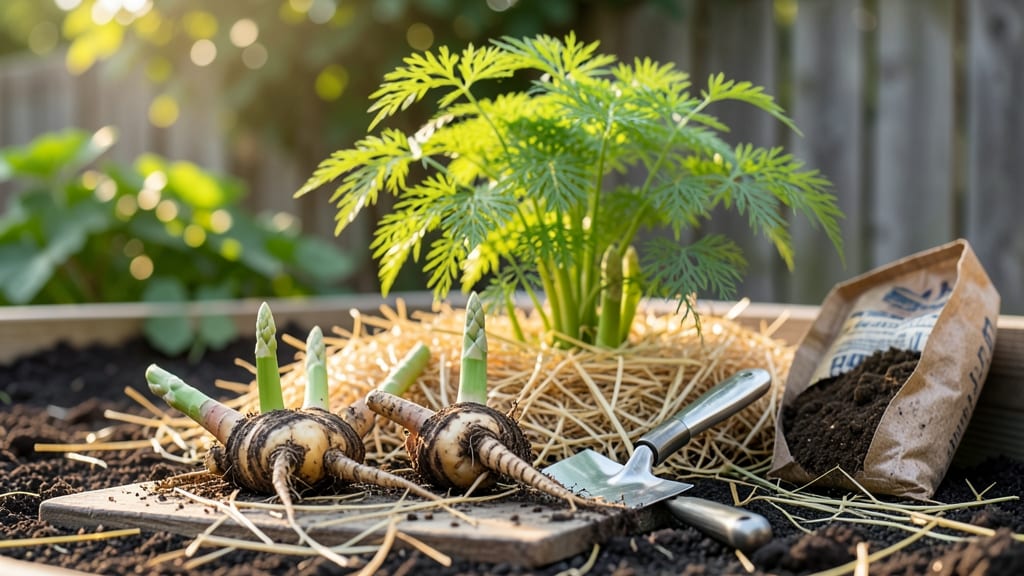
Timing your asparagus planting in Zone 8 isn’t just about checking a calendar—it’s about reading the soil’s secret signals. Plant too soon, and frost will sabotage your tender crowns; too late, and you’ll miss the 3-month window for establishing strong roots before summer heat sets in.
Here’s the game-changer: Asparagus won’t sprout until soil hits a steady 50°F—not air temperature, but the ground’s warmth. In Zone 8, that usually lands in late February to early March, but coastal areas might push it to April.
The key is testing with a soil thermometer, not guessing by frost dates.
Why does this matter? Because asparagus is patient—year 1 grows roots, year 2 sends up tiny spears, and year 3 rewards you with a harvest. Get the timing right now, and you’ll avoid the heartbreak of stunted plants or wasted effort. Let’s break down exactly how to nail it.
From choosing the right variety (like cold-hardy ‘Mary Washington’) to prepping soil with compost, I’ll walk you through every step to ensure your 🌱 asparagus thrives in Zone 8’s mild but tricky climate. No more second-guessing—just a foolproof plan for spears in 2-3 years.
Zone 8 asparagus planting timeline by soil temperature (not calendar dates)
Planting asparagus in Zone 8 isn’t about memorizing calendar dates—it’s about soil temperature. Your crowns need the ground to stay above 50°F (10°C) for at least 2 weeks before planting.
In Zone 8, this typically lands between late February and early April, but your exact timing depends on whether you’re in coastal (milder) or inland (colder) areas.
Why soil temperature? Asparagus roots are sensitive to cold, and planting too early can lead to rot or frost damage to your $10–$20 crowns. Meanwhile, waiting too long means missing the optimal 6–8 week growing window before summer heat sets in.
Let’s break down the science so you can plant with confidence.
| Soil Temp Stage | Zone 8 Timeline | Action |
|---|---|---|
| Pre-Warming (40–50°F) | Late Jan–Early Feb | Test soil with a soil thermometer; prepare beds. |
| Planting Window (50–60°F) | Late Feb–Early Apr | Plant crowns 6–8 inches deep in trenches. |
| Post-Planting (60°F+) | April–May | Mulch heavily to retain moisture and warmth. |
| Harvest Readiness | Year 2–3 (Mar–Jun) | Wait 2+ years for first harvest. |
To test your soil temperature, use a digital soil thermometer (like the Thermometer Inc. Model ST-3) and check it 2 inches deep in the morning.
If it’s below 50°F for more than a week, delay planting. Coastal Zone 8 (e.g., San Diego) may hit 50°F as early as late January, while inland areas (e.g., Phoenix) might wait until mid-March.
Pro tip: If you’re in doubt, plant 2–4 weeks later than your neighbor. Asparagus crowns are perennial, so a delayed start won’t ruin your harvest—just your first-year growth. The key is consistent warmth, not rushing the process.
Once your soil hits 50°F consistently, it’s time to plant. But don’t stop there—mulch with straw or wood chips to keep the soil warm and retain moisture. This is especially critical in Zone 8’s dry summers, where soil can heat up too quickly and stress young roots.
Remember, asparagus is a long-term investment. While you won’t harvest until year 2 or 3, proper soil temperature timing now ensures your plants establish strong roots for decades of harvests. Patience pays off with 30+ years of productivity from a single planting!
If you’re planting in February, aim for late February in inland areas or early February near the coast. For March, you’re golden—this is the sweet spot for most of Zone 8. Just avoid planting after mid-April, or your spears may struggle to mature before summer heat.
For extra insurance, cover your beds with row fabric after planting to protect from unexpected late-winter frosts. Zone 8’s mild winters can still dip below freezing, and asparagus crowns are not frost-tolerant once actively growing.
Finally, keep a planting journal to track your soil temperature and growth progress. Note when your spears emerge—this helps you predict future harvest windows and adjust your planting schedule for next year. Happy digging! 🌱
Zone 8 asparagus planting timeline by soil temperature (not calendar dates)
Forget memorizing frost dates—your asparagus crowns care about soil temperature, not air temperature. In Zone 8, asparagus won’t sprout until the ground reaches a steady 50°F (10°C).
This typically happens in late February to early March, but coastal areas may delay planting until April due to cooler ocean breezes.
Why soil temp matters: Asparagus crowns are frost-sensitive, but they also need warmth to break dormancy. Planting too early risks frost damage, while waiting too long delays root establishment. The 3-month window between soil warming and summer heat is critical for strong growth.
Here’s how to test: Use a soil thermometer (insert 4 inches deep) for 3 consecutive days. If temps hover around 50°F during the day, it’s time to plant. Inland areas may hit this by mid-February, while coastal gardens should wait until late March.
| Zone 8 Planting Window | Soil Temp Requirement | Action |
|---|---|---|
| Late February (Inland) | 50°F+ for 3 days | Plant crowns 6-8" deep |
| March (Coastal) | 50°F+ consistent | Prep soil with compost |
| April (Late Start) | 55°F+ minimum | Use black plastic mulch |
🌱 Soil Temp > Air Temp
Pro tip: If your soil is still cold, use black plastic mulch to warm it faster. Lay it down 2 weeks before planting to accelerate soil heating. This works especially well in coastal Zone 8 areas where ocean winds delay warming.
Remember, asparagus is a perennial—get the timing right now, and you’ll enjoy harvests for 15+ years. Plant too late, and you risk stunted growth or poor spear production in years 2-3. The first year is all about roots, so prioritize soil prep over early harvests.
Once planted, mulch heavily with straw or wood chips to maintain soil warmth and moisture. This keeps roots happy while spears develop. Patience is key—your first harvest won’t come until year 3, but the wait is worth it for fresh, homegrown asparagus every spring.