
Plants
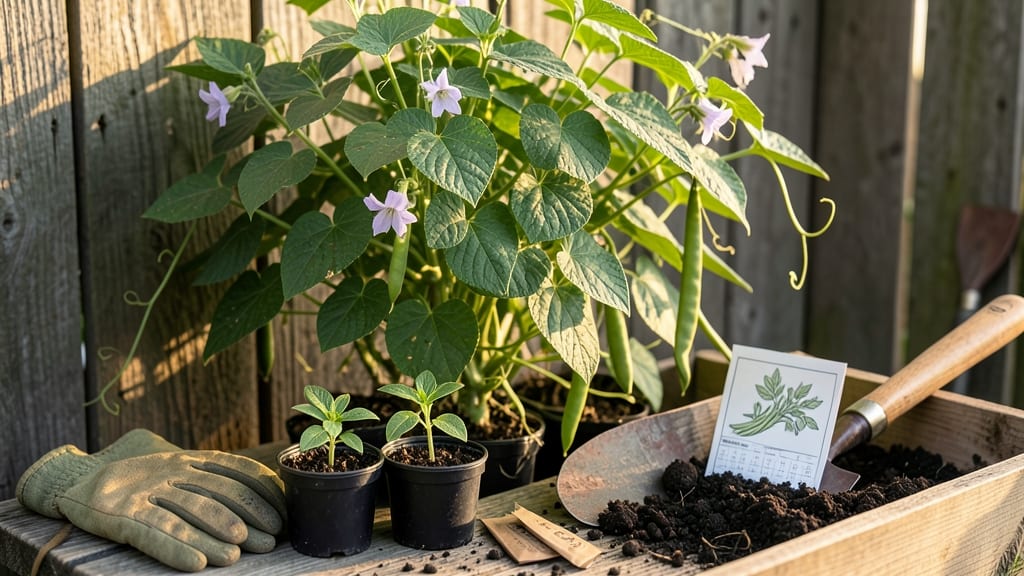
Timing your bean planting in Wisconsin isn't just about checking the calendar—it's about reading the soil's secret signals before that last frost sneaks in. With USDA zones 4b-6a and unpredictable weather, even the most eager gardeners can end up with wilted sprouts instead of bountiful harvests.
The key? Planting when the soil hits 60°F and the air stays reliably warm, not just when the calendar flips to May.
I’ve grown 🌱 beans in Wisconsin for years, and the difference between a thriving garden and a failed experiment often comes down to one simple rule: Wait for the soil to warm up. Cold soil slows germination, leaving your seeds vulnerable to frost damage.
This guide will show you exactly how to time your planting—whether you’re growing bush beans, pole beans, or snap peas—so you can enjoy fresh harvests from July through September.
You might be tempted to rush planting as soon as the snow melts, but April 15 isn’t a magic date—it’s just a starting point. Instead, we’ll cover how to test soil temperature, adjust for your specific Wisconsin zone, and even troubleshoot common mistakes that derail beginners.
No more guessing games—just a foolproof plan to turn your garden into a bean bonanza.
Ready to stop second-guessing and start planting with confidence? Let’s dive into the exact strategy that’ll have your beans sprouting strong, no matter where you are in the state. Your future harvest is waiting—just don’t let frost beat you to it.
Wisconsin bean planting calendar: exact dates by last frost zone
Wisconsin’s last frost dates vary wildly—from early April in Milwaukee to late May in Duluth—so planting beans at the wrong time can mean the difference between a bountiful harvest and a sad, frost-nipped failure. The golden rule?
Wait until the soil hits 60°F and the air stays above 55°F at night. This guide breaks down the exact planting windows for Wisconsin’s three main frost zones, so you can avoid the most common mistakes.
Most Wisconsin gardeners focus on bush beans and pole beans, but snap peas (a cool-season crop) have their own timeline. Below, I’ve mapped out the ideal planting dates based on historical frost data from Madison, Milwaukee, and Duluth—plus the soil temperature thresholds your seeds need to thrive.
Pro tip: Use a soil thermometer (not just the calendar) to confirm readiness.
For Southern Wisconsin (Milwaukee, Madison), the last frost typically occurs around April 15–May 1, but don’t rush—cold soil delays germination. In Northern Wisconsin (Green Bay, Duluth), you’ll need to wait until May 15–June 1, when the risk of frost drops below 10%.
Even then, a late cold snap can wipe out seedlings, so always have a row cover on hand.
Here’s the key difference between bush beans (compact, no trellis) and pole beans (vining, needs support): Bush beans germinate faster (5–7 days) and tolerate cooler soil slightly better, while pole beans need warmer, longer seasons to reach maturity.
If you’re in Zone 4b (Northern WI), stick to early-maturing varieties like ‘Blue Lake’ or ‘Kentucky Wonder’.
🌱
| Region | Last Frost Avg. | Ideal Planting Window | Soil Temp. Threshold | Best Varieties |
|---|---|---|---|---|
| Southern WI (Milwaukee, Madison) | April 15–May 1 | May 1–15 (after 60°F soil) | 60°F+ (consistently) | ‘Blue Lake’, ‘Contender’, ‘Provider’ |
| Central WI (Wausau, Stevens Point) | May 1–15 | May 15–June 1 (after 60°F soil) | 60°F+ (consistently) | ‘Kentucky Wonder’, ‘Rattlesnake’, ‘Tendercrop’ |
| Northern WI (Green Bay, Duluth) | May 15–June 1 | June 1–15 (after 60°F soil) | 60°F+ (consistently) | ‘Purple Queen’, ‘Golden Wax’, ‘Mascotte’ |
| Snap Peas (All Regions) | April 1–May 15 | April 15–May 10 (soil 45°F+) | 45°F+ (cooler tolerance) | ‘Sugar Snap’, ‘Oregon Sugar Pod’, ‘Tom Thumb’ |
*Varieties like ‘Blue Lake’ mature in 50–55 days, while ‘Kentucky Wonder’ takes 60–65 days.
If you’re unsure about your exact frost date, check the National Weather Service or your local UW Extension office—they publish updated forecasts. For example, in 2023, Madison’s last frost was May 5, but in 2022, it hit April 28.
That’s why relying on soil temperature (not just dates) is your best bet.
For pole beans, which take longer to mature, aim to plant by June 1 in Southern WI and June 15 in Northern WI. These vining varieties need at least 120 frost-free days to produce a full harvest, so don’t wait too late.
If you miss the window, consider container gardening—you can grow pole beans in pots and move them indoors if frost threatens.
One more pro tip: If you’re eager to start early, try starter plants instead of seeds. Transplants give you a 2-week head start and are less vulnerable to soil-borne diseases. Just be sure to harden them off for 5–7 days before planting.
☀️
Soil temperature secrets: how to test & time bean planting like a pro
Testing your soil temperature is the secret weapon every Wisconsin gardener needs to beat frost and grow thriving beans. I’ve learned the hard way that even if the air feels warm, cold soil can stall germination for weeks—leaving your seeds vulnerable to late frosts.
The magic number for beans? A consistent 60°F soil temperature at a depth of 2 inches. This ensures your seeds sprout quickly and grow strong before Wisconsin’s infamous May frost sneaks back in.
You don’t need fancy equipment to check soil temperature. A simple soil thermometer (available for under $10 on Amazon or garden centers) gives you precise readings. Insert it 2 inches deep in your garden bed—this mimics the depth where your bean seeds will germinate.
Check it in the morning for the most accurate reading, as afternoon sun can temporarily warm the soil.
- Morning Test: Insert thermometer 2" deep in moist soil (avoid dry patches). Wait 30 seconds for accurate reading.
- 50°F+: Too cold—wait 1-2 weeks or use black plastic mulch to warm soil faster.
- 60°F+: Perfect! Plant your beans within 24 hours for best germination.
- 70°F+: Ideal for fast growth, but mulch to retain moisture in Wisconsin’s dry spells.
No thermometer? Try the finger test: Press your finger into the soil. If it feels cold and damp (like a chilled soda can), wait. If it’s warm but not hot (like a lukewarm bath), your soil is ready.
For a quicker fix, cover garden beds with black plastic mulch 1-2 weeks before planting—it raises soil temps by 5-10°F by trapping heat from sunlight.
Wisconsin’s USDA zones 4b-6a mean your planting window can shift dramatically. In Southern Wisconsin (Madison/Milwaukee), soil often hits 60°F by early May, while Northern Wisconsin (Duluth) may need to wait until late May or early June.
Use a 7-day forecast to predict cold snaps—if nighttime temps dip below 50°F, delay planting or use row covers for protection.
Pro tip: Plant bush beans first—they germinate faster than pole beans and give you an early harvest window. If your soil stays stubbornly cold, try starter pots indoors under grow lights, then transplant seedlings when soil warms up.
This buys you 2-3 extra weeks of growing time before Wisconsin’s first frost in October.
Remember, soil temperature is your garden’s silent partner—ignore it, and you’re gambling with your harvest. But master it, and you’ll enjoy fresh beans from July through September, no matter where you are in the state. Your future dinner table (and hungry family) will thank you!