
Companion Plants
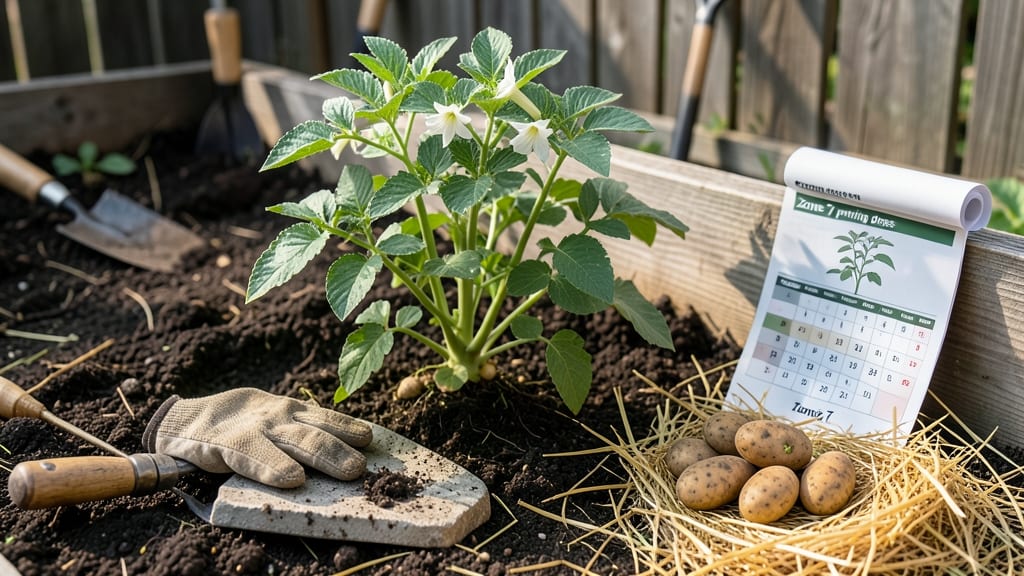
Planting potatoes in Zone 7 at the wrong time can turn your 🥔 dreams into a frost-damaged mess—literally overnight. The difference between a thriving harvest and wasted effort often comes down to one critical factor: soil temperature.
If you plant too early, frost will kill your sprouts before they even break ground, while planting too late risks stunted growth from heat stress.
I’ve learned the hard way that Zone 7’s unpredictable spring weather demands precision. The key is waiting until soil temperatures hit 45-50°F—that’s when those little 🥔 eyes start waking up and ready to grow.
But timing isn’t just about the calendar; it’s about understanding your local microclimate, whether you’re in the Piedmont’s cooler valleys or the Coastal Plain’s warmer pockets.
In this guide, I’ll break down exactly when to plant for early, mid-, and late-season varieties, how to adjust for frost dates, and why some gardeners swear by chitting their potatoes indoors.
You’ll also discover the 3 biggest mistakes that sabotage Zone 7 harvests—and how to avoid them before they happen.
Ready to turn your garden into a potato powerhouse? Let’s get those 🥔 in the ground at the perfect moment for a harvest that’ll make your neighbors jealous.
Zone 7 potato planting calendar: soil temperature triggers for perfect timing
In Zone 7, potatoes thrive when planted at the right time—typically when soil temperatures reach 45-50°F. This usually falls between mid-March and mid-April, but exact timing depends on your local frost dates and microclimate.
For example, Piedmont areas may plant earlier than Coastal Plain regions due to warmer soils. Always check your last frost date (around March 15 in most of Zone 7) and adjust accordingly.
Potatoes are cool-season crops, so planting too early risks frost damage to sprouting tubers, while waiting too long can lead to heat stress during flowering. The key is planting 2-4 weeks before your last frost date—this gives tubers time to establish roots before summer heat arrives.
For early varieties, you can even plant as early as late February in protected beds or under row covers.
Soil temperature is more critical than air temperature for potatoes. Use a soil thermometer to confirm readiness—plant only when the soil is consistently 45°F or warmer.
In southern Zone 7 (e.g., Atlanta, GA), this might be mid-February, while northern Zone 7 (e.g., St. Louis, MO) may wait until late March.
| Zone 7 Region | Last Frost Date | Ideal Planting Window | Soil Temp Trigger | Notes |
|---|---|---|---|---|
| Piedmont (e.g., Atlanta, GA) | March 5-15 | Late Feb - Early March | 45-50°F (soil) | Warmer microclimate; can plant earlier |
| Coastal Plain (e.g., Savannah, GA) | March 1-10 | Early Feb - Mid-Feb | 45-50°F (soil) | Milder winters; risk of heat stress if planted late |
| Northern Zone 7 (e.g., St. Louis, MO) | March 15-25 | Late March - Early April | 48-50°F (soil) | Cooler soils; wait for consistent warmth |
| All Regions | N/A | 2-4 weeks before last frost | 45°F+ (soil) | Use row covers for earlier plantings |
If you're unsure about your local frost dates, consult the USDA Plant Hardiness Zone Map or your local cooperative extension service. For example, Raleigh, NC (Zone 7b) typically has its last frost around March 15, while Nashville, TN (Zone 7a) may see frost until March 25.
Adjust your planting window by 2-3 weeks earlier if you're using row covers or black plastic mulch to warm the soil faster.
For fall planting (less common but possible in Zone 7), aim for late July to early August—this gives tubers time to mature before the first frost (around November 15).
However, fall potatoes require earlier-maturing varieties (e.g., Yukon Gold) to avoid frost damage. Always choose varieties labeled for your region's growing season.
Pro tip: Chit your seed potatoes (sprout them indoors) 2-3 weeks before planting to jumpstart growth. Place them in a bright, cool spot (around 50°F) with the stem end up.
This ensures your potatoes are ready to sprout as soon as they hit warm soil, giving you a 2-week head start on the season.
Remember, soil drainage is just as important as timing. Potatoes rot in soggy soil, so choose a well-draining location or amend heavy clay with compost or sand. If your soil stays wet for more than 24 hours, tubers will develop fungal diseases like late blight.
Test your soil's drainage by digging a 12-inch hole—if it fills with water in less than 6 hours, improve drainage before planting.
Finally, consider staggered plantings to extend your harvest. Plant early varieties (e.g., Red Norland) in March for a June harvest, then follow with mid-season (e.g., Kennebec) in April for a July-August harvest. This ensures a steady supply of fresh potatoes all summer long.
With the right timing and a little preparation, your Zone 7 potato patch can yield 5-10 pounds per plant—enough to feed your family and share with neighbors! 🥔
How to adjust planting dates for early vs. late varieties in Zone 7
Zone 7 gardeners can extend their potato harvest by planting different varieties at strategic intervals. Early varieties like Yukon Gold mature in just 60-80 days, while late varieties like Russet Burbank take 100-120 days. This means you can harvest potatoes from June through September with careful timing.
For early varieties, plant seed potatoes 2-4 weeks before your last frost date—typically mid-February to early March in Zone 7. These fast-maturing potatoes will avoid heat stress and produce a summer harvest before temperatures rise.
For late varieties, wait until late April to early May to plant, ensuring they mature before fall frosts arrive in November.
Staggering plantings by 2-3 weeks between varieties creates a rolling harvest. For example, plant Red Pontiac (mid-season) in early April, followed by Kennebec (late-season) in mid-April. This way, you’ll have new potatoes ready in July and storage potatoes by September.
🌱
If you’re short on space, consider container gardening for early varieties. Use 5-gallon buckets or grow bags filled with well-draining soil and plant Yukon Gold in late February. Containers warm up faster than garden beds, giving you a head start on the season.
For fall planting, Zone 7 gardeners can try late-season varieties like Katahdin in mid-August. These potatoes develop slowly in cool weather and avoid heat stress.
Plant them 4 inches deep and harvest before first frost in November. This trick works best in cooler microclimates, like higher elevations or shaded areas.
Pro tip: Chit your seed potatoes before planting to speed up germination. Place them in a bright, cool spot (around 50°F) for 2-3 weeks before the last frost. This ensures uniform sprouting and a faster harvest.
🌿